
Cedar Fences and Seasonal Care: How Nature's Timber Stands the Test of Time
There's something deeply satisfying about a cedar fence standing tall through every season. It possesses the quiet confidence of natural beauty, the earthy aroma of genuine wood, and a reputation as one of the most durable fencing materials available. For homeowners in Hope Mills, NC, seeking a balance of privacy, charm, and longevity, professional cedar fence installation offers an unmatched blend of performance and aesthetics. When installed correctly and maintained with care, cedar doesn't just survive the seasons; it thrives through them.
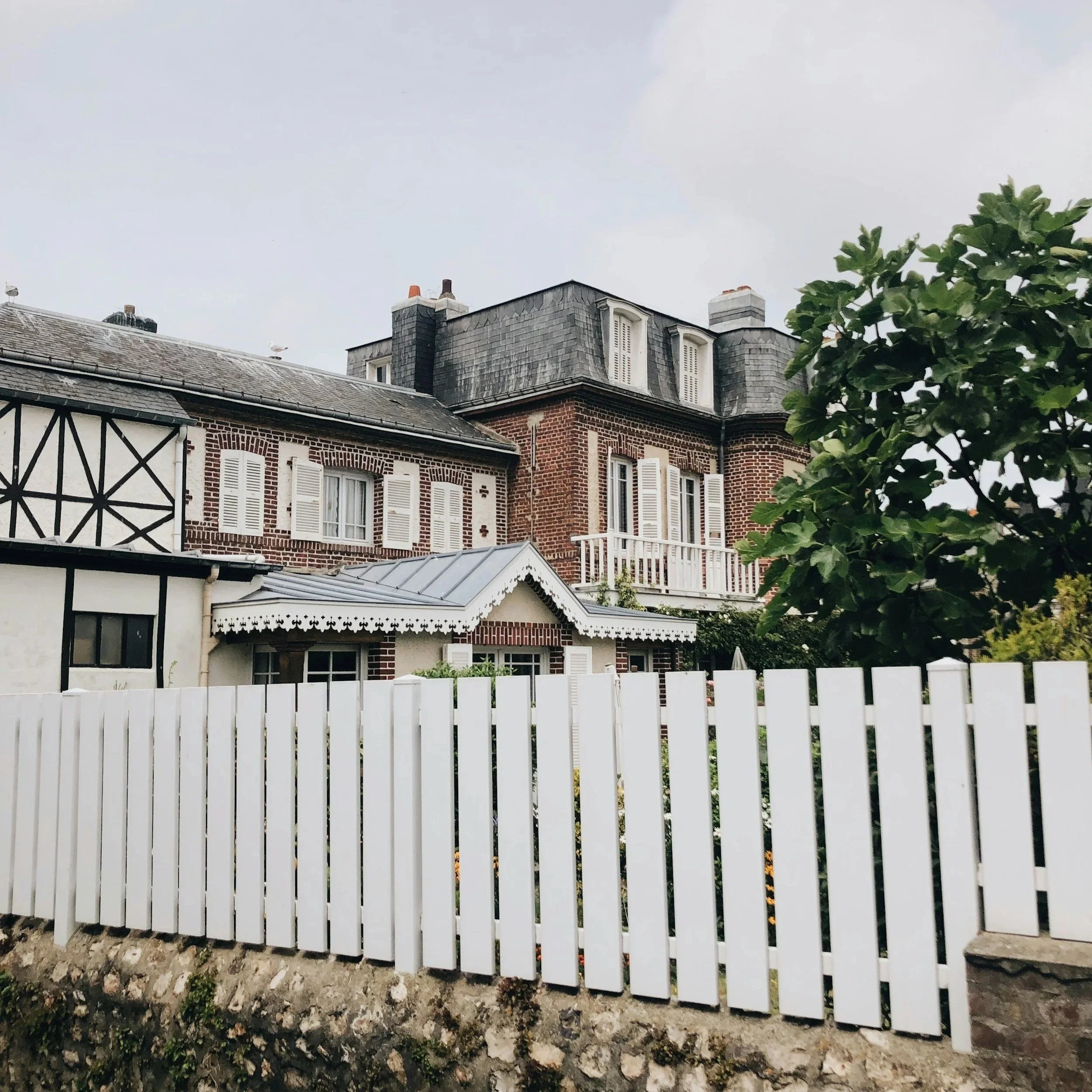
White cedar-style privacy fence enhancing curb appeal and structure, reflecting durability, seasonal resilience, and professional residential fence installation standards.
The Allure Of Cedar's Natural Beauty
Cedar's appeal starts with its unmistakable look and scent. Its warm reddish hues, delicate grain patterns, and aromatic oils instantly set it apart from other woods. A newly installed cedar fence has a glow that feels alive, complementing gardens, patios, and front yards alike. Professionals often describe it as a living design element that evolves and changes over time. With age, cedar gracefully shifts to a silvery gray tone, maintaining elegance even as it weathers.
Cedar's beauty runs deeper than the surface. Its natural oils act as built-in preservatives, helping resist decay, mold, and insect damage. Unlike pressure-treated lumber, which relies on chemical additives, cedar achieves durability naturally. It's a material that has been earning respect for centuries, used in homes, boats, and outdoor structures long before synthetic alternatives emerged.
Professional installers in Hope Mills, NC, love working with cedar because it's strong yet lightweight, allowing precise craftsmanship. It cuts cleanly, holds fasteners well, and offers a smooth, refined finish that feels intentional rather than industrial. When homeowners choose cedar fence installation, they're investing in more than privacy; they're choosing an outdoor feature that harmonizes with nature itself.
How Cedar Handles The Elements
Cedar stands up to the elements like a seasoned veteran. Rain, heat, wind, and even snow test every outdoor structure, but cedar responds with remarkable stability. Its natural oils prevent excessive warping and cracking, while its grain structure allows it to breathe without splitting. Unlike other materials that trap moisture and deteriorate, cedar adapts to its environment gracefully.
Professionals know that even nature's best materials benefit from a thoughtful installation strategy. Proper post setting, ground clearance, and sealing treatments significantly extend the life of cedar. A professionally installed cedar fence is built with airflow in mind, allowing moisture to evaporate rather than linger. That careful attention to spacing and design ensures the fence remains strong, straight, and beautiful throughout the seasons.
When properly installed and maintained, cedar fences in Hope Mills, NC can last two decades or more. The material's stability means it can handle drastic temperature swings without suffering the expansion and contraction that plague many other woods. It's one of the few natural materials that understand the weather rather than fight against it.
The Spring Refresh
Spring is the season of revival, and fences are no exception. Cedar wakes up from winter, ready for a bit of attention. Professionals recommend a spring inspection to assess any areas affected by heavy moisture or freezing. Cleaning away debris, mildew, and pollen buildup helps the wood breathe, keeping it looking vibrant and healthy.
A light wash with gentle pressure removes grime without damaging the grain. Professionals use the right cleaners to preserve the wood's natural oils rather than strip them away. Once the surface dries, a new layer of protective stain or sealant helps lock in the fence's beauty while keeping out excess moisture.
Cedar absorbs finishes beautifully, allowing stains to enhance rather than hide the grain. A clear or lightly tinted sealant brings out those golden tones that make cedar so distinctive. For homeowners who prefer the silvery patina of aged wood, a protective clear coat can still shield against UV rays while preserving the fence's natural appearance.
Summer Sun And Heat Management
Cedar thrives in sunshine, but like any organic material, it appreciates a little help staying cool and hydrated. Summer brings longer days and intense UV exposure, which can gradually dry out the wood. Professionals monitor for early signs of fading or drying, recommending a mid-season rinse or conditioning treatment if needed.
Professionally installed fences often feature design elements that promote shade and airflow, such as spacing between pickets or lattice accents. These details aren't just decorative; they help prevent heat buildup that can stress the wood over time.
Cedar's ability to stay relatively cool compared to metal or composite fences makes it perfect for warm climates. Even in direct sun, it never reaches the scorching temperatures that make other materials uncomfortable to touch. Its organic nature helps it maintain equilibrium, keeping outdoor spaces comfortable for pets, kids, and anyone who leans on it during a summer barbecue.
Fall Preparation And Prevention
Fall is when professional fence maintenance teams work their seasonal magic. As leaves begin to fall and humidity rises, cedar benefits from a thorough cleaning and inspection before the wet season settles in. Removing fallen debris and trimming plants that grow too close to the fence helps reduce trapped moisture and prevent moss from building up.
Professionals also inspect hardware and posts to confirm that no fasteners have loosened during summer expansion cycles. Catching these details early prevents winter from exploiting small vulnerabilities. A quick tune-up, tightening, re-sealing, and cleaning keeps the fence looking fresh and fortified.
Fall is also a great time for re-staining since moderate temperatures allow finishes to cure evenly. A professional-grade sealant penetrates deeply, enhancing water resistance before winter moisture arrives. The preparation pays off when the first cold rains fall and the fence stands firm, shedding water like a well-oiled shield.
Winter Defense And Endurance
Winter might be tough on many outdoor materials, but cedar has a natural resistance to freezing and thawing cycles. Its cellular structure provides insulation that minimizes internal cracking. Professional installation plays a key role here, with posts set at the correct depth and drainage angles that keep frost heave from causing shifts.
Snow accumulation should never pile directly against a fence for long periods. Professionals design installations that allow meltwater to flow away from posts and boards. Elevating the bottom edge of the fence above ground level prevents wicking, which keeps moisture from seeping upward into the wood.
A professional winter inspection often includes clearing ice and debris around the base and checking for areas where soil movement may have exposed lower sections. Addressing these issues promptly prevents long-term damage and keeps the fence stable throughout the coldest months.
Why Professionals Prefer Cedar
Cedar's performance isn't just about its looks. Professionals prefer it for its reliability during installation and its cooperative nature on the job. The wood is lightweight yet sturdy, which makes it easier to work with precision. It responds predictably to tools and fasteners, allowing installers to achieve smooth, consistent results without splitting or splintering.
Cedar also offers superior adaptability for different fence styles. Whether homeowners want a classic privacy fence, a decorative shadowbox, or a combination of vertical and horizontal slats for a modern aesthetic, cedar is the ideal choice. It accepts design details with ease, from lattice tops to ornate gate framing. Every project feels unique because cedar naturally enhances the builder's creativity.
Professionals appreciate that cedar's natural oils repel insects and resist decay without the need for chemical additives. It's safer for pets, plants, and the environment. That's why cedar remains a top recommendation for families seeking eco-conscious fencing solutions that strike a balance between sustainability and style.
Long-Term Maintenance Strategy
Cedar's longevity relies on steady care rather than heavy intervention. Professionals typically recommend cleaning and re-staining every two to three years, depending on the level of exposure to the elements. Regular upkeep preserves the color, protects against moisture, and maintains the fence's structural integrity.
A consistent inspection schedule helps identify small changes before they evolve into major repairs. Professionals look for early signs of fading, warping, or discoloration and address them with targeted treatments. Because cedar naturally resists rot, most maintenance is preventative rather than corrective.
Choosing a professional team for ongoing maintenance also extends the lifespan of sealants and finishes. The application process matters as much as the product itself, and professionals know how to achieve even coverage without streaks or pooling. They use high-quality stains explicitly designed for cedar's porous nature, allowing deep absorption that enhances durability.
Sustainability And Responsible Sourcing
Cedar's environmental profile adds another layer of appeal. When sourced responsibly, it's one of the most sustainable fencing options available. Reputable suppliers adhere to forestry management practices that promote regrowth and ecosystem balance. Each harvested tree contributes to a cycle that supports the renewal of healthy forests.
Professional installers partner with trusted suppliers who provide certification of origin and quality. By working with sustainably managed wood, they help clients make environmentally conscious choices without compromising quality.
Cedar's natural resistance means it doesn't require harsh chemical treatments to remain durable. Fewer chemical finishes mean fewer environmental pollutants and safer surroundings for gardens and wildlife. Professionals often highlight cedar as the responsible choice for those who value both aesthetics and sustainability.
Restoring Aged Cedar
Even the most well-loved fences eventually show their age, but cedar's structure allows for beautiful restoration. Professionals can sand, clean, and re-stain aged cedar to bring back its original luster. Unlike synthetic materials that degrade irreversibly, cedar can be revived multiple times throughout its life.
Restoration services often start with a gentle wash to remove buildup, followed by sanding to refresh the surface. Once the natural color reemerges, a professional-grade stain enhances the wood's depth and tone. Homeowners are often surprised by how dramatically a seasoned fence can transform with just a few expert treatments.
Rejuvenating a cedar fence is more than cosmetic; it reinforces protection and extends its functional lifespan. It's a service that adds value to the property while preserving the original craftsmanship.
Timeless Durability With Natural Charm
Cedar's timeless nature makes it a smart investment for homeowners who value quality and beauty that lasts. It stands strong through storms, sunlight, and seasonal changes, aging gracefully while maintaining its structural integrity. A professionally installed cedar fence doesn't just serve as a boundary; it becomes part of the property's character.
Professional cedar fence installation combines craftsmanship, technical precision, and an appreciation for natural materials. Every plank tells a story, every season adds character, and every year reinforces why cedar remains a favorite among professionals and homeowners alike. Nature's timber truly stands the test of time, one well-built fence at a time.
AR Fence is a professional fence expert offering wood fences, vinyl fences, cedar fences, and chain link fences services. We have over a decade’s experience serving Fayetteville, Hope Mills, and surrounding communities in North Carolina. As a top-rated local business, we offer competitive pricing and exceptional craftsmanship. Call now to book a free on-site consultation.
