
Vinyl Fence Removal: The Clean Break Your Yard Deserves
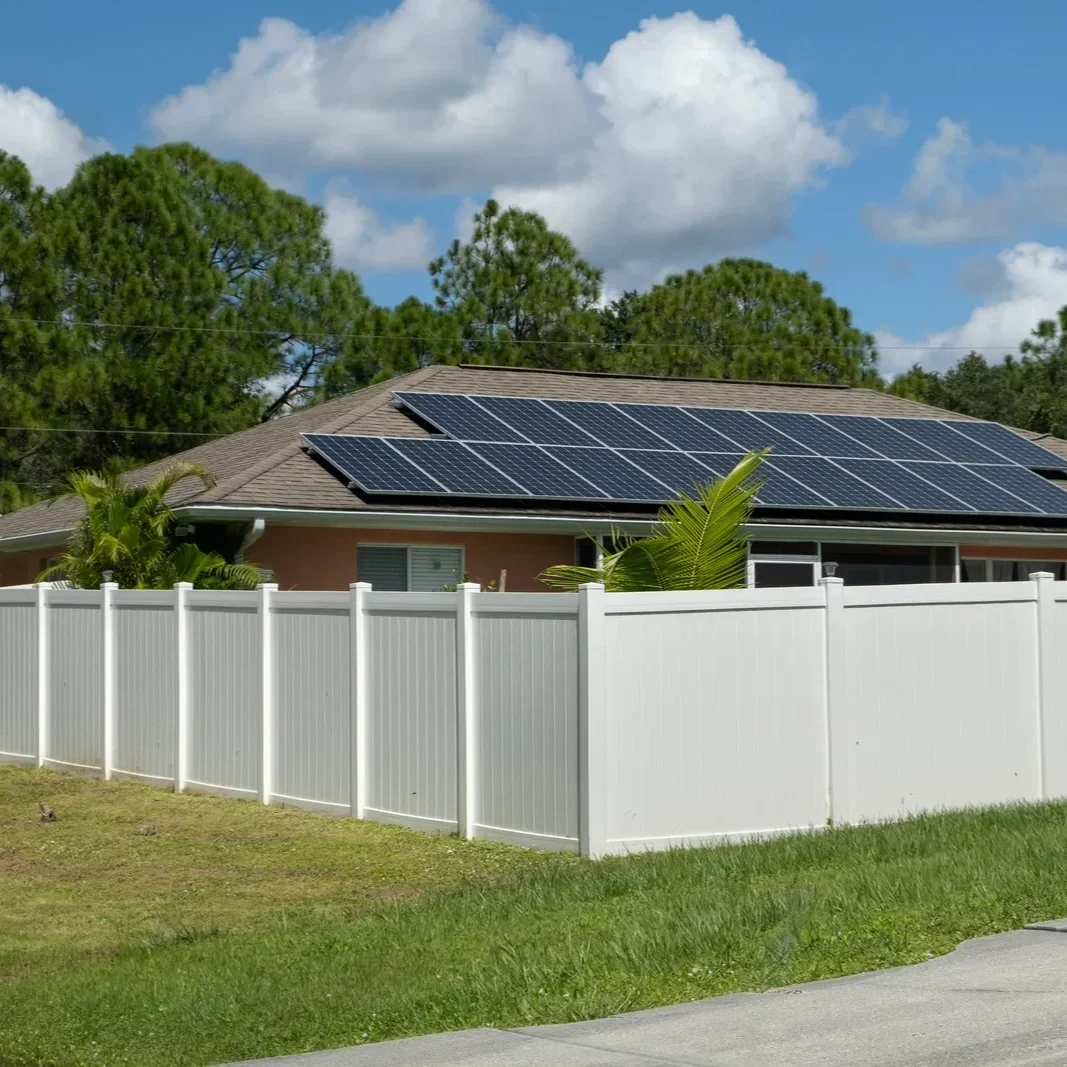
Professional vinyl fence removal gives your property the clean break it needs while protecting the landscape you worked hard to maintain.
Out With The Old, In With The Open
A vinyl fence can serve beautifully for years, adding privacy, defining property lines, and keeping the yard neat. But even the toughest vinyl has a lifespan, and when fading, cracking, or leaning starts to show, it might be time for a change. Professional vinyl fence removal gives your property the clean break it needs while protecting the landscape you worked hard to maintain. With the right crew, the process runs smoothly, leaving behind a clear, even space ready for new projects or fresh scenery.
Vinyl Fence Fatigue
Vinyl fencing is popular for good reason. It resists rot, repels pests, and handles weather better than wood. Yet, as with any outdoor structure, time eventually takes its toll. Constant exposure to sunlight can fade color, wind can loosen posts, and repeated temperature swings can weaken panels. When sections start to warp or posts shift out of alignment, replacement becomes a smarter move than patching.
Professional vinyl fence removal handles these aging fences efficiently. Instead of struggling with brittle panels and buried posts, experienced technicians dismantle each section carefully to avoid collateral damage. They know how to separate components, disconnect interlocking panels, and remove concrete footings without tearing up surrounding soil or sod.
Signs It’s Time To Let Go
Fences often hold sentimental value, especially when they’ve stood for years around gardens, play areas, or patios. Still, certain clues say it’s time to call the professionals. Cracks that spread across multiple panels, discoloration that won’t wash away, or panels popping out of place indicate that repairs will only provide temporary relief.
Shifting posts signal something deeper: unstable footings. When the base moves, the entire structure loses alignment. Professionals assess each section to determine how much of the structure can be safely removed and how to handle embedded concrete or hidden reinforcements. Whether the fence is partial or complete, they approach removal methodically, leaving a clean, stable foundation behind.
Efficient Removal Without The Chaos
Taking down a vinyl fence involves more than pulling up panels. Each section interlocks, often reinforced with internal metal rails or concrete anchoring. Professional crews come equipped with specialized tools to dismantle these systems without breaking posts or leaving sharp debris.
Professionals begin by inspecting the fence line and nearby landscaping. Trees, shrubs, and irrigation systems are noted to prevent accidental disturbance. Panels are detached first, followed by rails and post caps. Once the structure is separated, attention turns to the posts and concrete. Instead of brute force, technicians use precision cutting and lifting techniques that minimize ground disturbance.
A clean removal doesn’t just protect your lawn—it saves time when preparing for new fencing or landscaping. Professionals leave the area level, tidy, and free of debris, reducing post-removal cleanup and potential regrading costs.
Responsible Disposal And Recycling
Vinyl fencing might look like plastic waste, but much of it can be recycled. Professional vinyl fence removal includes sorting materials for proper disposal. Panels and rails are separated from hardware, and recyclable vinyl is sent to facilities that reprocess it into new building materials.
Recycling benefits both the environment and the homeowner. It reduces landfill waste while giving the material a second life in new applications. Professionals also remove concrete and metal fasteners responsibly, using disposal methods that comply with local environmental regulations. For customers interested in sustainability, many companies provide documentation confirming that recyclable materials were handled appropriately.
Preparation For Replacement
Removing an old vinyl fence opens the door for new opportunities. The goal is to upgrade to a more modern style, install a sturdier design, or reclaim open yard space. Professional crews handle removal with plans in mind. They avoid unnecessary excavation, leaving the soil ready for reinstallation or replanting.
Technicians also inspect soil conditions during the removal process. If the previous posts showed signs of shifting or poor drainage, they can make recommendations to correct these issues before the new installation begins. Addressing grading or moisture problems early helps prevent repeat damage down the line.
For homeowners switching materials—from vinyl to wood, aluminum, or composite—professionals can adapt the site layout accordingly. They’ll assess property lines, spacing, and local regulations to make sure the next installation goes smoothly.
Common Challenges In Vinyl Fence Removal
Vinyl fences may appear lightweight, but removing them presents unique challenges. Posts are often buried deep, and footings can vary in size and composition depending on the original installer. Some use large concrete bases, while others rely on compacted gravel or soil. Professionals identify the best removal approach for each type.
Occasionally, posts are installed too close to utility lines or irrigation systems. Professionals use detection tools to avoid cutting through hidden pipes or cables. Safety protocols and precision techniques protect both the property and the underground infrastructure.
Older vinyl can also become brittle and prone to cracking. Professionals take care when dismantling panels to avoid creating sharp edges or shattered fragments that could cause injury. Each step of the process prioritizes safety and cleanliness, leaving the site clear and hazard-free.
Protecting The Landscape
A big part of successful vinyl fence removal lies in preserving the surrounding environment. Yards often contain irrigation lines, decorative edging, or root systems that need special care. Professionals work methodically to protect these features, using tools that minimize vibration and soil disturbance.
Temporary supports or barriers may be used near gardens and delicate plants. Panels are carried out rather than dragged to avoid damaging turf. When heavy machinery is necessary, installers use track mats or ground protection systems to prevent ruts.
By the time removal wraps up, the property looks refreshed rather than disrupted. Professional care makes it possible to reclaim outdoor space without sacrificing the beauty already in place.
Safety And Professionalism
Vinyl fence removal may seem straightforward, but it involves more than just elbow grease. Posts often weigh more than expected once concrete is factored in, and structural tension can make panels unpredictable during disassembly. Professional crews work with safety equipment and proper lifting techniques to manage weight and pressure safely.
Experienced teams also carry insurance and licensing to handle commercial-grade removal. That professional accountability protects both the homeowner and the crew. Certified technicians bring a level of precision that eliminates risk while maintaining project efficiency.
Their training includes identifying potential hazards, such as buried utilities or unstable terrain. By addressing those factors before removal begins, they prevent accidents and property damage, keeping the process seamless from start to finish.
Why Professional Removal Beats DIY
DIY projects can be rewarding, but vinyl fence removal often tests even the most determined homeowners. Without the right tools, disassembly becomes time-consuming and risky. Concrete removal, especially, can strain both patience and equipment. Professional service saves time, prevents injury, and produces cleaner results.
Professionals also understand local disposal requirements. Vinyl is not accepted at all landfills, and improper dumping can result in fines. By hiring a licensed service, homeowners avoid those complications entirely.
Moreover, professionals can complete the job in a fraction of the time. A process that might take a weekend for an amateur often takes just a few hours for a skilled crew, leaving the yard ready for its next chapter faster than expected.
Adapting To Regional Conditions
Regional factors influence both the installation and removal of vinyl fencing. In warmer climates, soil may shift and expand around footings, making removal trickier. In colder regions, frost heave can alter post angles, making them harder to extract. Professionals adapt techniques based on local conditions to achieve smooth, consistent results.
Coastal areas face challenges such as salt exposure and shifting sand, while urban zones require careful coordination around neighboring properties and limited access areas. Professionals use compact equipment and precision cutting tools to handle these unique scenarios safely and efficiently.
No two properties are exactly alike, and professional adaptability makes a noticeable difference in quality and outcome.
The Role Of A Clean Slate
Something is refreshing about reclaiming open yard space. Once the old vinyl fence is gone, the property feels bigger, brighter, and ready for new possibilities. Professional removal lays the groundwork for whatever comes next—whether it’s a new fence, a landscaped garden, or expanded outdoor seating.
A cleared perimeter can also improve drainage and visibility. Many homeowners notice how much better their yard breathes once outdated fencing is removed. Professionals tidy up the area thoroughly, leaving no trace of debris or old concrete. The result is a clean, open canvas ready for transformation.
Environmentally Conscious Disposal
Responsible removal doesn’t end when the fence comes down. Professionals follow recycling best practices, separating reusable components and sending them to processing facilities whenever possible. Some companies even partner with local recycling centers to repurpose vinyl into decking, siding, or new fencing materials.
Concrete and metal hardware are also sorted for recycling, diverting tons of waste from landfills. For clients seeking eco-friendly services, professional removal offers a clear path to sustainability while keeping the process simple.
Attention to environmental detail extends beyond disposal. Many companies use fuel-efficient transport and optimized routing to minimize emissions during hauling. It’s a cleaner process in every sense of the word.
Planning For What Comes Next
Once the fence is gone, the question becomes: what now? Some homeowners plan a new fence installation right away, while others take time to redesign their outdoor space. Professionals often offer consultation for the next step, helping clients choose modern fencing materials or layouts that better match their current needs.
If reinstallation is in the cards, technicians can prepare the site immediately after removal. They check for level ground, proper drainage, and optimal post spacing, laying the groundwork for smooth installation later. For those exploring landscaping instead, they can backfill post holes, reseed lawns, or repair compacted soil.
A seamless transition from removal to renewal saves time, reduces cost, and delivers lasting results.
The Professional Difference
A professional approach to vinyl fence removal reflects expertise, efficiency, and respect for your property. From initial inspection to final cleanup, every step focuses on precision and care. Technicians handle the heavy lifting while keeping the process safe, sustainable, and smooth.
They understand that fence removal isn’t just about tearing something down—it’s about creating space for improvement. Whether the goal is upgrading to a modern design or opening up the yard, professional service transforms what could be a messy chore into a polished experience.
By the time they finish, your yard looks revitalized and ready for its next purpose. Professional vinyl fence removal gives your space the fresh start it deserves, with no cracks, chaos, or concrete left behind—just a perfectly clean break.
Trust over a decade’s experience of The Fayetteville Fence Company LLC if you are looking for a fence repair company in Fayetteville, Hope Mills, and surrounding communities in North Carolina. We are a licensed and insured company offering a host of other fence solutions, including backyard fences, fence removal and replacement, and fence maintenance and upgrades, to homeowners. Call now to book a consultation.