
Why Your Fence Fails Early: Local Installation Mistakes Homeowners Overlook
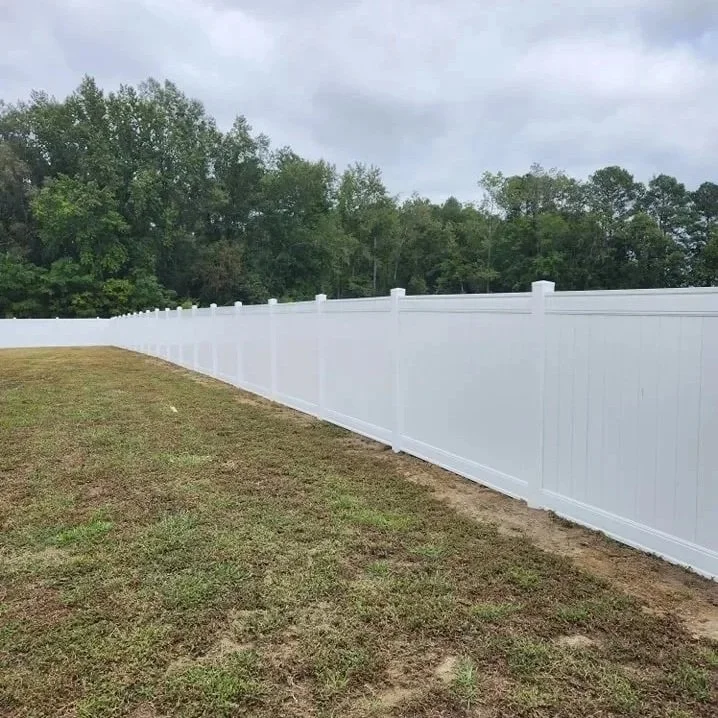
Knowing what matters most ensures a properly installed fence is a long-term investment rather than a constant repair project.
Fence problems rarely happen because of the materials themselves. Most early failures come from installation mistakes that seem small at first but can grow into leaning posts, sagging panels, and costly repairs. Homeowners often assume weather or age is to blame, yet many fences begin struggling long before they should because necessary steps were skipped during construction. Vinyl semi-privacy fences offer durability, flexibility, and long-lasting performance when installed correctly, but even the strongest materials fail without climate awareness, soil evaluation, and structural planning. A fence becomes part of your landscape, and landscapes change. When installation doesn’t anticipate those changes, early failure becomes almost inevitable.
Professional installers see the same patterns repeatedly. Posts settle unevenly because the soil wasn’t evaluated. Panels buckle when spacing is incorrect. Rails sag when reinforcement is missing. Homeowners often don’t realize how many variables affect long-term fence health until problems appear. Understanding these common installation mistakes helps prevent early failures and builds confidence in choosing the right professional approach. Knowing what matters most ensures a properly installed fence is a long-term investment rather than a constant repair project.
How Shallow Posts Cause Leaning and Instability
The depth of your posts has a huge impact on fence stability. Many early fence issues start with posts set too shallow or anchored in soil that cannot support them. Shallow posts shift with seasonal soil expansion, causing the fence to lean. Posts must be set deep enough to avoid movement from moisture changes or freezing soil. Without proper depth, vinyl fences lift during winter freeze cycles or tilt after heavy rains.
Professional installers use deep foundation anchoring during vinyl semi-privacy fence
installation to stabilize the structure. They consider frost depth, soil composition, and slope before determining post depth. Sandy soils need extra depth for stability, while clay-heavy areas require careful planning to avoid heaving. Once posts start leaning, the stress spreads to rails and panels, creating a chain reaction of weaknesses. Correct post depth is one of the most critical steps in preventing early fence failure.
Why Proper Spacing Keeps Panels Healthy
Every fence material moves with temperature changes, and vinyl is no exception. Vinyl expands slightly in summer and contracts in winter. When panels are installed too tightly, pressure builds and can cause buckling, warping, or popping noises. Incorrect spacing often leads homeowners to think panels are defective, when the real issue is a lack of expansion planning. Vinyl performs reliably when given room to flex.
Professionals account for thermal movement during installation by leaving gaps at rails and panel ends, using brackets designed for flexibility, and avoiding over-tightening fasteners. When spacing is correct, vinyl adjusts gracefully to seasonal temperature changes. Overlooking spacing details often results in early warping or cracking, making proper spacing one of the most influential factors in long-term durability.
Why Soil Matters More Than You Think
Soil affects every fence. It shifts with moisture, temperature, and compaction changes. Ignoring soil conditions causes fences to settle unevenly, tilt, or sink. Clay soil swells after rain and shrinks during heat, sandy soil shifts easily, and rocky soil can misalign posts. Without understanding soil composition, installation becomes guesswork rather than engineering.
Professionals evaluate soil before installation, adjusting post depth, footing materials, and compaction methods to suit the property. Gravel bases, concrete footers, and structural foam each play a role depending on soil behavior. When soil prep is skipped, even the best vinyl fence struggles. Proper soil evaluation allows the fence to adapt to seasonal ground movement and maintain long-term stability.
How Poor Drainage Leads to Rot and Shifting
Standing water creates long-term problems for any fence. Vinyl resists moisture, but posts anchored in wet soil can shift, tilt, and loosen over time. Drainage issues cause posts to settle unevenly, weaken stability, and promote frost heave in cold climates. Poor drainage is often overlooked because the effects appear slowly, not immediately.
Professional installers design drainage pathways during installation. They use gravel bases, adjust slope direction, redirect runoff, and avoid burying posts in water-trapping soil. When drainage is handled correctly, fences remain stable even through heavy rains. Understanding water flow across your property is essential for a long-lasting fence foundation.
Why Reinforcement Prevents Sagging Rails
Vinyl semi-privacy fences need internal reinforcement to prevent sagging or bowing, especially along long horizontal spans. Without metal inserts or reinforced rails, panels shift under their own weight or bend during seasonal movement. Sagging sections often appear along the top rail, but this is due to missing support, not material failure.
Professionals incorporate reinforcement during installation by using rails with integrated aluminum inserts or adding support manually. They assess fence height, panel length, and wind exposure to determine the correct level of reinforcement. Properly reinforced panels stay straight, preventing long-term sagging and structural weakness. Homeowners who underestimate reinforcement often face early deterioration that could have been prevented.
How Misaligned Panels Create Stress
Panel alignment affects both appearance and structural load distribution. Misaligned panels place uneven stress on rails and posts, causing sections to lean or buckle. Gaps appear where panels do not connect properly, creating weak points that worsen with seasonal expansion. Misalignment usually occurs when installation is rushed or posts aren’t leveled correctly.
Professionals carefully align panels during installation using leveling tools, tension adjustments, and precise measurements. Proper alignment distributes stress evenly, helping vinyl stay straight and strong throughout the seasons. Many homeowners assume misalignment is just cosmetic, but it significantly impacts long-term performance.
Why Ignoring Wind Patterns Can Damage Your Fence
Wind can be a significant factor for semi-privacy vinyl fences with airflow gaps. Installing without assessing wind direction or intensity subjects posts and panels to excessive pressure. Shallow posts, weak anchoring, or poorly placed gates worsen the effects, causing leaning or separation.
Professional installers plan for wind by analyzing airflow across the property. They anchor posts deeper, add reinforcement, and design panel layouts that allow wind to pass safely. Semi-privacy designs naturally help, but only when wind is considered during installation. Overlooking wind patterns often leads to early fence failure.
How Cutting Posts Too Short Weakens Your Fence
Posts must reach proper height above and below ground to maintain structural integrity. Posts cut too short weaken the fence, both underground and above ground, creating unstable rail connections and increasing the risk of leaning. Cutting mistakes often happen when installers rush or try to save time.
Professionals pay close attention to post height and measure twice before cutting. Proper post height ensures even rail placement, balanced weight distribution, and structural stability. Incorrect post cuts cannot be fully corrected later, making proper height foundational to long-lasting performance.
Why the Right Fasteners Matter
Fasteners may seem minor, but they are critical to the fence's longevity. Using the wrong fasteners can cause cracking, panel separation, or weakened attachment points. Uncoated metal fasteners may corrode, staining vinyl and loosening over time. Improper fasteners create stress points that worsen with seasonal movement.
Professionals use fasteners designed for vinyl, which allow controlled movement, prevent cracking, and resist corrosion. Correct fasteners help maintain alignment during temperature changes. Ignoring fastener type can lead to avoidable long-term damage, often manifested as rattling panels or sagging rails.
Why Gates Need Extra Reinforcement
Gates endure more stress than the rest of the fence. Poorly reinforced gates sag quickly, pull on posts, and drag on the ground. Many early fence failures start at gates because installers overlook the need for stronger hinges, reinforced posts, and proper weight support.
Professionals carefully reinforce gates using stronger posts, cross-bracing, and adjustable hinges. Properly reinforced gates prevent stress from spreading to adjacent panels. A sagging gate compromises the entire fence, making reinforcement essential for durability from day one.
How Thermal Expansion Affects Vinyl Fences
All vinyl fences expand and contract with temperature changes. Hot weather slightly enlarges panels, while cold weather tightens them. Fences installed without accounting for thermal movement can crack, buckle, or cause brackets to break. Many homeowners misinterpret these issues as defective material rather than improper planning.
Professional installers plan for thermal expansion by leaving slip points and expansion gaps and using flexible brackets. Allowing vinyl to move freely prevents tension and long-term damage. Ignoring thermal movement creates stress that eventually leads to structural failure.
Critical Answers To Prevent Early Vinyl Fence Failure
Why Do Vinyl Fences Lean Early?
Leaning usually happens when posts are installed too shallow or in unstable soil. Proper anchoring and post depth prevent early tilt and ensure long-term fence stability.
Why Do Vinyl Panels Warp?
Warping often occurs from incorrect spacing or insufficient room for natural thermal expansion. Properly spaced panels allow for seasonal movement, preventing buckling and maintaining alignment.
Can Wind Damage Vinyl Semi-Privacy Fences?
Wind can damage any fence if reinforcement is inadequate. Semi-privacy fences handle wind well when posts are deeply anchored and panels are reinforced correctly.
What Maintenance Helps Prevent Early Fence Failure?
Light cleaning, debris removal, and post-storm inspections help preserve structural integrity and long-term performance.
Is Professional Vinyl Fence Installation Necessary?
Yes. Professionals ensure proper spacing, reinforcement, soil adaptation, and climate-aware design, thereby preventing early failure and maximizing fence longevity.
Trust over a decade’s experience of The Fayetteville Fence Company LLC if you are looking for a fence repair company in Fayetteville, Hope Mills, and surrounding communities in North Carolina. We are a licensed and insured company offering a host of other fence solutions, including backyard fences, fence removal and replacement, and fence maintenance and upgrades to homeowners. Call now to book a consultation.