
Wood vs. Vinyl Fence: Which Lasts Longer in NC?
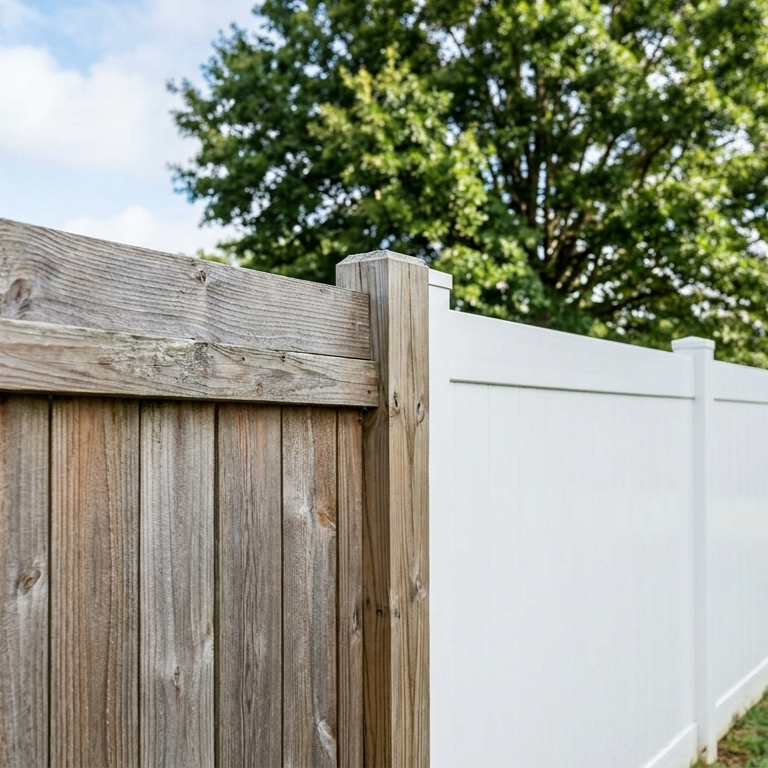
Quick Answer: In North Carolina's warm, humid climate, vinyl generally lasts longer than wood with far less maintenance. Vinyl is a manufactured material that resists rot, moisture, insects, and decay, doesn't need painting or staining, and holds up well in humidity — though it costs more upfront and can fade or crack over many years. Wood offers natural looks and a lower upfront cost, but in NC's humidity and moisture it's prone to rot, warping, and insect damage and needs regular maintenance (sealing or staining) to last. So vinyl tends to win on longevity and low upkeep, while wood wins on natural appearance and initial cost. The right choice depends on whether you prioritize low-maintenance durability or natural looks and budget.
When choosing a fence in North Carolina, wood and vinyl are two of the most popular options — and they age quite differently in the state's warm, humid climate. Humidity and moisture are hard on fencing materials, so longevity and maintenance are real considerations here. Understanding how each holds up helps you choose the fence that fits your priorities for durability and upkeep.
What Each One Is
Wood is the traditional, natural fencing material, offering classic looks and the genuine character of real wood. It's been a longtime favorite for its appearance and lower upfront cost.
Vinyl is a manufactured material made primarily from PVC, engineered to resist the things that break wood down — rot, moisture, insects, and decay. It's designed for durability and low maintenance, mimicking the look of wood (or offering clean, uniform styles) without many of wood's weaknesses. The core difference is natural wood versus an engineered, weather-resistant material, and that difference drives how each handles NC's humidity and how long it lasts.
How Each Handles NC's Humidity
This is where the climate matters most. North Carolina's warmth and humidity, with plenty of moisture, are tough on wood. Wood is prone to rot, warping, and insect damage when exposed to persistent moisture and humidity, so without regular maintenance, it deteriorates faster in this climate. Wood needs sealing or staining and upkeep to resist the moisture, and even then, it's working against the humidity.
Vinyl is engineered to resist exactly these conditions. It doesn't rot, isn't damaged by moisture or insects, and holds up well in humidity without the deterioration wood faces. That resistance is a major reason vinyl tends to last longer in a humid climate — the moisture that degrades wood doesn't affect vinyl the same way. The trade-off to note is that over many years, vinyl can fade from sun exposure or become brittle, but it sidesteps wood's main vulnerabilities in humidity.
| Factor | Wood | Vinyl |
|---|---|---|
| Material | Natural wood | Manufactured (PVC) |
| Humidity/moisture | Prone to rot, warping, insects | Resists rot and moisture |
| Maintenance | Regular sealing/staining | Low; occasional cleaning |
| Lifespan in NC | Shorter without upkeep | Longer, durable |
| Look | Natural, classic | Wood-look or clean, uniform |
| Upfront cost | Lower | Higher |
Maintenance: The Big Practical Difference
The everyday difference is maintenance. Wood requires ongoing care to last in NC's climate — periodic cleaning and sealing or staining to protect against moisture, rot, and the elements. That upkeep is what determines whether a wood fence ages well or deteriorates. Skip it, and wood rots and warps faster in the humidity. Vinyl, by contrast, needs little more than occasional cleaning; it doesn't require sealing or staining to maintain its durability. For homeowners who don't want the recurring work of maintaining a wood fence in a humid climate, vinyl's low-maintenance nature is a major advantage and a key reason it lasts longer with less effort.
Looks, Cost, and Longevity
Wood's appeal lies in its natural beauty and the authentic character of real wood, and it generally has a lower upfront investment. Vinyl costs more upfront but is built for a long, low-maintenance life, which can make it the better long-term value once you factor in wood's ongoing maintenance needs and its shorter lifespan in high humidity without upkeep. So the comparison is partly upfront cost and natural looks (wood) versus long-term durability and minimal upkeep (vinyl). Vinyl also comes in styles that capture a wood-look or offer clean, uniform appearances, narrowing the appearance gap, though some people still prefer the genuine character of real wood.
Be honest about how much maintenance you'll actually keep up with. Wood rewards regular sealing and staining with a beautiful, lasting fence — but in NC's humidity, it punishes neglect with rot and warping. If you know you won't keep up the upkeep, vinyl's low-maintenance durability will likely last longer and look better over the years.
How to Choose
The decision comes down to your priorities. If you love the natural look of real wood, want a lower upfront cost, and are willing to do the regular sealing and staining that wood needs to last in NC's humid climate, wood can be a beautiful, satisfying choice. If you prioritize long-lasting durability with minimal maintenance and don't want the recurring work of protecting wood against moisture, vinyl generally lasts longer with far less effort, accepting the higher upfront cost. Consider how much maintenance you'll realistically commit to and what matters more — natural appearance and initial cost, or low-upkeep longevity. A fencing professional can show you both and help you weigh them for your home and the climate.
Frequently Asked Questions
Vinyl generally lasts longer in NC's warm, humid climate, with far less maintenance, because it resists the rot, moisture, and insect damage that affect wood. Wood is prone to rot, warping, and insect damage in humidity and needs regular sealing or staining to last — without that upkeep, it deteriorates faster. A well-maintained wood fence can last, but vinyl typically outlasts it with less effort.
Because North Carolina's warmth and humidity expose wood to persistent moisture, which causes rot, warping, and insect damage. To resist this, wood needs regular cleaning and sealing or staining, and that upkeep determines whether it ages well. Without maintenance, wood deteriorates faster in humid conditions. Vinyl, by contrast, resists moisture and doesn't need sealing or staining, making it much lower-maintenance in a humid climate.
Over many years, vinyl can fade from sun exposure or, in some cases, become brittle, and it costs more upfront than wood. But it sidesteps wood's main humidity-related vulnerabilities — rot, warping, and insects — so these downsides are generally minor compared to wood's maintenance needs. For most homeowners in a humid climate, vinyl's durability and low maintenance outweigh its higher upfront cost and slow fading.
Wood generally has a lower upfront cost, while vinyl has a higher one. However, vinyl is built for a long, low-maintenance life, which can make it a better long-term value once you account for wood's ongoing maintenance needs and its shorter lifespan in high humidity without upkeep. So the choice balances wood's lower initial cost against vinyl's durability and minimal maintenance over time.
It can, especially without maintenance. NC's warm, humid climate exposes wood to persistent moisture that causes rot, particularly at the posts in the ground. Regular sealing or staining and proper installation help wood resist rot, but it remains prone to it in high humidity. If you want to avoid the rot and upkeep wood faces in this climate, vinyl's moisture resistance is a strong advantage.
It's subjective. Wood offers the natural beauty and authentic character of real wood, which many people love. Vinyl offers wood-look or clean, uniform finishes that are attractive and stay that way with little maintenance. Some prefer the genuine character of wood; others the consistent, low-upkeep look of vinyl. Seeing both in person helps you decide which appeals to you, since both can make a good-looking fence.
Match the Fence to Your Upkeep
In North Carolina's humid climate, vinyl generally outlasts wood with far less maintenance because it resists the rot, moisture, and insect damage that wood is prone to. Wood offers natural beauty and a lower upfront cost, but needs regular sealing and staining to thrive in the humidity. The honest question is how much upkeep you'll do: wood requires it, vinyl barely needs it. Choose based on that and whether you value natural looks and cost or low-maintenance longevity.
Choosing a fence for North Carolina's humidity? — Get expert guidance on wood versus vinyl for long, good-looking life. The Fayetteville Fence Company LLC serves Fayetteville, Hope Mills, Raeford. Call (910) 994-3634.
