
Climate-Tested Barbed Wire: Seasonal Performance Trends in Your Area
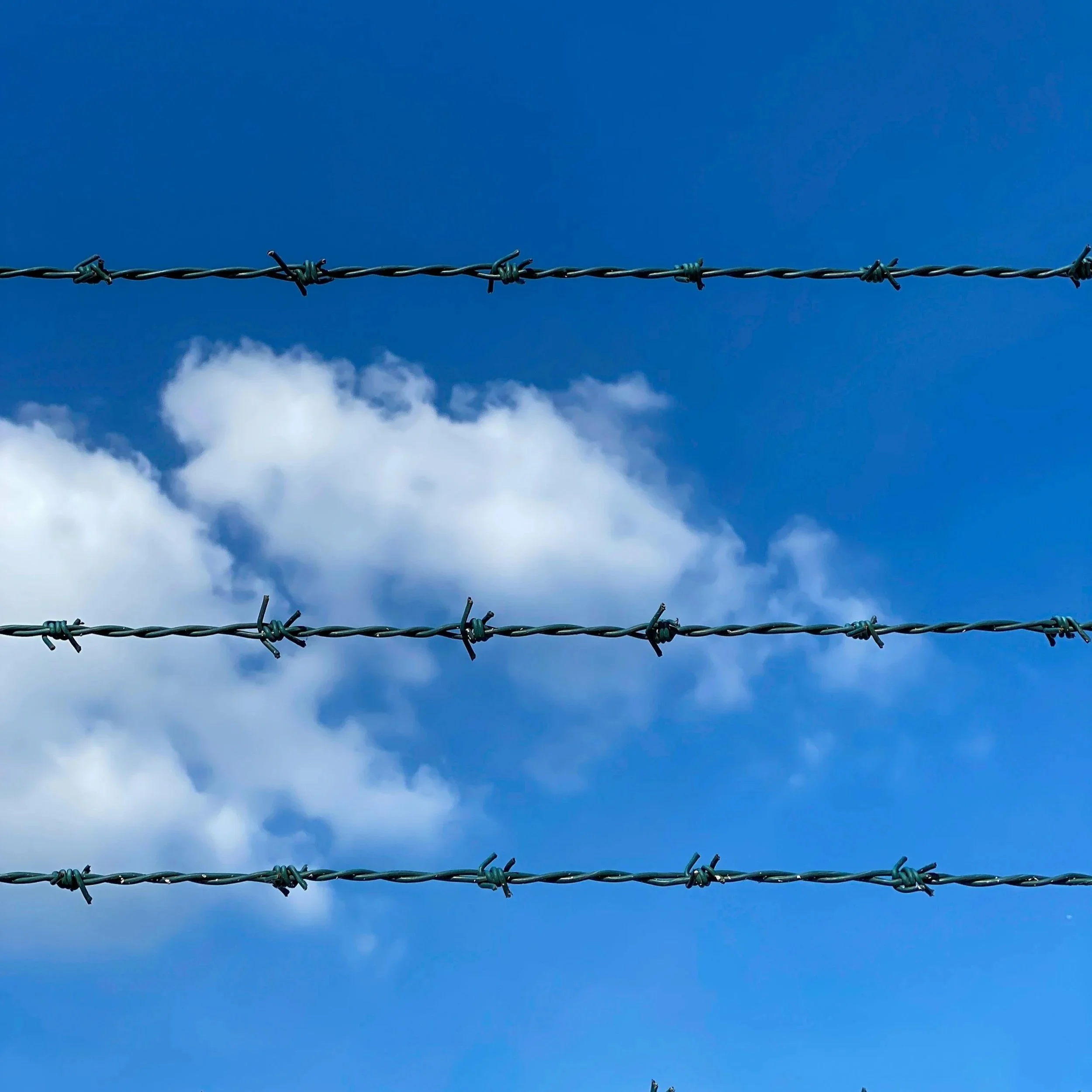
Barbed wire remains one of the most cost-effective and low-maintenance security tools available, but the climate plays a substantial role in determining how well it performs.
Barbed wire fence installation delivers a strong security upgrade, but its performance depends heavily on how well it battles the local climate. Every season introduces new pressures that affect tension, durability, and long-term reliability. Property owners often assume barbed wire behaves the same year-round, although each temperature shift, rain cycle, and wind pattern influences the wire in different ways. A fence that holds strong in summer may behave differently in winter, and a season with heavier moisture may affect the wire more than expected. Professionals spend a surprising amount of time helping property owners understand these seasonal performance trends, so they receive reliable protection year-round.
Barbed wire remains one of the most cost-effective and low-maintenance security tools available, but the climate plays a substantial role in determining how well it performs. A professionally installed system adapts to seasonal stress through proper spacing, strong anchoring, and weather-conscious installation methods. Property owners who rely on guesswork often end up with sagging wire, loose posts, or unnecessary repairs. Professional teams analyze the climate during installation to make sure that the fence functions reliably in heat, cold, moisture, and wind. The wire may look simple, but its performance depends on technique, environmental awareness, and precise installation.
Professionals see a predictable pattern each year. Summer heat affects the wire one way, winter cold affects it another, and windy seasons challenge the entire structure. Property owners who understand those patterns make more informed decisions and avoid surprises. A climate-tested barbed wire fence installation is not just about durability. It is about matching the system to the environmental conditions that dictate how the wire behaves.
Heat And Sunlight Effects On Barbed Wire
High temperatures play a major role in the performance of barbed wire fences. During hot seasons, metal expands, which increases tension across the entire system. A fence installed without accounting for that expansion can experience excessive strain on corner posts and line posts. That strain often leads to warping, premature wear, or broken points along the wire. Professional installers space and tension the wire according to seasonal temperature patterns so the wire remains stable even during extreme heat.
Sunlight exposure also affects the performance of barbed wire. Prolonged UV exposure can heat the metal surface, accelerating wear in some environments. Heat expansion can make the wire feel tighter in one section and looser in another, which creates inconsistent performance. Professionals account for that variation by adjusting the installation method based on sun exposure. The goal is to help the wire move naturally without compromising tension or alignment.
Hot climates also affect the system's supporting components. Posts, brackets, and staples respond to heat differently from the wire itself. Wood posts may dry and contract, while steel posts may conduct heat more aggressively. A climate-conscious barbed wire fence installation accounts for those differences, keeping the wire secure even as temperatures change.
Cold Weather And Freeze Cycles
Cold seasons pose very different challenges. Metal contracts in cold temperatures, which reduces tension in the wire. Many property owners misinterpret that looseness as poor installation, although it is a natural reaction to the weather. A professional installation accounts for both contraction and later expansion as temperatures rise again. Without that foresight, the wire may become too tight when the weather warms, leading to breakage or structural strain.
Freeze cycles affect the ground around the fence posts. Moisture in the soil freezes and expands, pushing posts upward. When the soil thaws, it settles unevenly, which causes misalignment. Misaligned posts affect wire tension across the line and can create uneven pressure points. Professional installers place posts below the frost line or use stabilizing techniques to prevent frost movement from compromising the overall structure.
Moisture from snow and ice adds weight to the wire, which may contribute to sagging. Ice accumulation challenges even the strongest systems. A properly installed barbed wire fence uses tension methods that allow slight movement during cold seasons without harming the structure. That flexibility helps the wire recover as temperatures rise.
Moisture and Rain-Related Stress
Rainy seasons introduce moisture that affects both the wire and the posts that support it. Extended exposure to moisture causes wood posts to swell, which changes how tightly staples hold the wire. Once the wood dries, the posts contract again, which may loosen the wire or force the staples upward. Professional installations use treated posts or metal posts to maintain consistent performance regardless of moisture levels.
Water runoff also affects the ground around the fence. Saturated soil reduces stability, potentially allowing posts to shift. A single leaning post affects the tension of the entire wire line. Professionals evaluate drainage patterns before installation and recommend placement that prevents water accumulation near the posts. Proper grading protects the base structure and supports long-term wire performance.
Moisture can also increase oxidation on certain metal types. A climate-tested barbed wire fence installation often includes galvanized wire or protective coatings to prevent rust. Property owners who skip that step may experience corrosion during wetter seasons, weakening the wire's structural integrity.
Wind And Structural Movement
Wind influences barbed wire far more than many property owners realize. Sustained wind applies lateral pressure to posts and corner bracing, especially in open areas with little wind protection. Strong gusts push against the wire, creating small movements that gradually loosen the tension. Professional installation uses reinforced corner posts and bracing that prevent shifting during windy periods.
Wind can also cause vibration along the wire line. Repeated vibration adds wear at attachment points. Professional installers space the barbs and secure connections to reduce the effects of wind vibration. A fence installed without that consideration may develop weak points or breakage where the wire rubs against nails or posts.
Seasonal storms intensify the issue. Wind combined with rain increases movement and pressure on the entire fence line. Climate-tested installations anticipate that pressure and build the fence to accommodate it through stronger anchoring and proper spacing. Property owners who understand how wind influences wire performance often choose reinforced options that improve overall reliability.
Soil Movement And Seasonal Shifts
Soil conditions change throughout the year. Dry seasons cause soil to shrink and pull away from fence posts. Wet seasons cause soil to expand and push against the posts. Those movements influence how well the wire maintains tension. Professional installation provides stabilization around posts, keeping the fence upright even as the ground shifts.
Clay-heavy soil expands dramatically with moisture and contracts significantly during dry spells. Sandy soil drains quickly but may not support posts firmly. Rocky soil requires strategic placement because the wire line must remain consistent without bending around obstacles. Understanding soil behavior is essential for properly installing a barbed wire fence that adapts to seasonal changes.
Professionals frequently adjust installation depth based on soil type. Deeper posts reduce soil shifting, keeping wire tension balanced. Seasonal adjustments may involve retightening wire or replacing staples that loosen when the ground moves. These variations reflect natural soil behavior rather than poor installation.
Long-Term Seasonal Wear
Seasonal stress accumulates over time. A barbed wire fence that performs well in the first year may behave differently in later years depending on how consistently it experiences heat, cold, moisture, and wind. Wire stretches slowly over time as it responds to ongoing stress. Posts may shift each season slightly, affecting alignment. Professional installers evaluate long-term patterns when recommending materials, spacing, and reinforcement techniques.
Galvanized and coated barbed wire withstands seasonal wear better than untreated versions. Strong corner bracing prevents sagging that often appears after repeated seasonal changes. Property owners who invest in climate-tested materials experience fewer long-term issues. A professional inspection every few years helps identify early signs of wear before they affect performance.
Seasonal performance trends teach property owners to view barbed wire as a dynamic system that responds to the environment. When installed with climate in mind, the wire maintains tension and stability without constant adjustments.
Why Professional Installation Matters In Seasonal Performance
Professional installation plays a crucial role in how well barbed wire handles seasonal changes. Experts evaluate the property for sun exposure, soil type, wind patterns, and moisture levels. That assessment guides the techniques used during installation. Posts are spaced and placed with structural integrity in mind. Wire tension is set based on climate patterns to prevent breakage or sagging during temperature swings.
Professionals also anticipate how the fence will behave several seasons after installation. The goal is to create a fence that performs consistently through the warmest summers, wettest springs, and coldest winters. That foresight helps reduce repair needs and keeps the fence functioning as part of the property's long-term security plan.
Property owners who rely on professional installation experience fewer seasonal complications. A properly installed fence protects itself through strong anchoring, balanced tension, and climate-conscious design. Barbed wire may look simple, but the science behind its installation requires professional expertise for optimal results.
Weather Can Weaken Your Fence: What You Need to Know Now
How does the weather affect barbed wire fence installation?
Weather influences wire tension, post stability, and long-term durability. Climate patterns dictate how the wire expands and contracts, and how it responds to environmental stress.
Does barbed wire sag in certain seasons?
The wire may sag slightly during cold or wet seasons due to contraction or soil movement. Proper installation allows the system to recover when conditions change.
Which material performs best in harsh climates?
Galvanized and coated barbed wire handles moisture, temperature shifts, and long-term wear better than untreated wire. Professionals recommend materials based on climate patterns.
Can wind damage a barbed wire fence?
Strong wind can loosen tension or shift posts. Reinforced corners and proper anchoring help the fence withstand windy seasons more effectively.
How often should a barbed wire fence be inspected?
Periodic inspections every few years help identify early wear, loose staples, or shifting posts. Regular maintenance supports long-term seasonal performance.
Count on The Fayetteville Fence Company LLC for commercial fence installation, security fences, industrial and warehouse fences, and sports and school fencesin Fayetteville, Hope Mills, and the surrounding communities. We design and build fences for business owners that perfectly match their needs and budget. Book a service today and enjoy professional results.