
The Anti-Climb Trend Surge: Why Your Region Is Upgrading Its Security
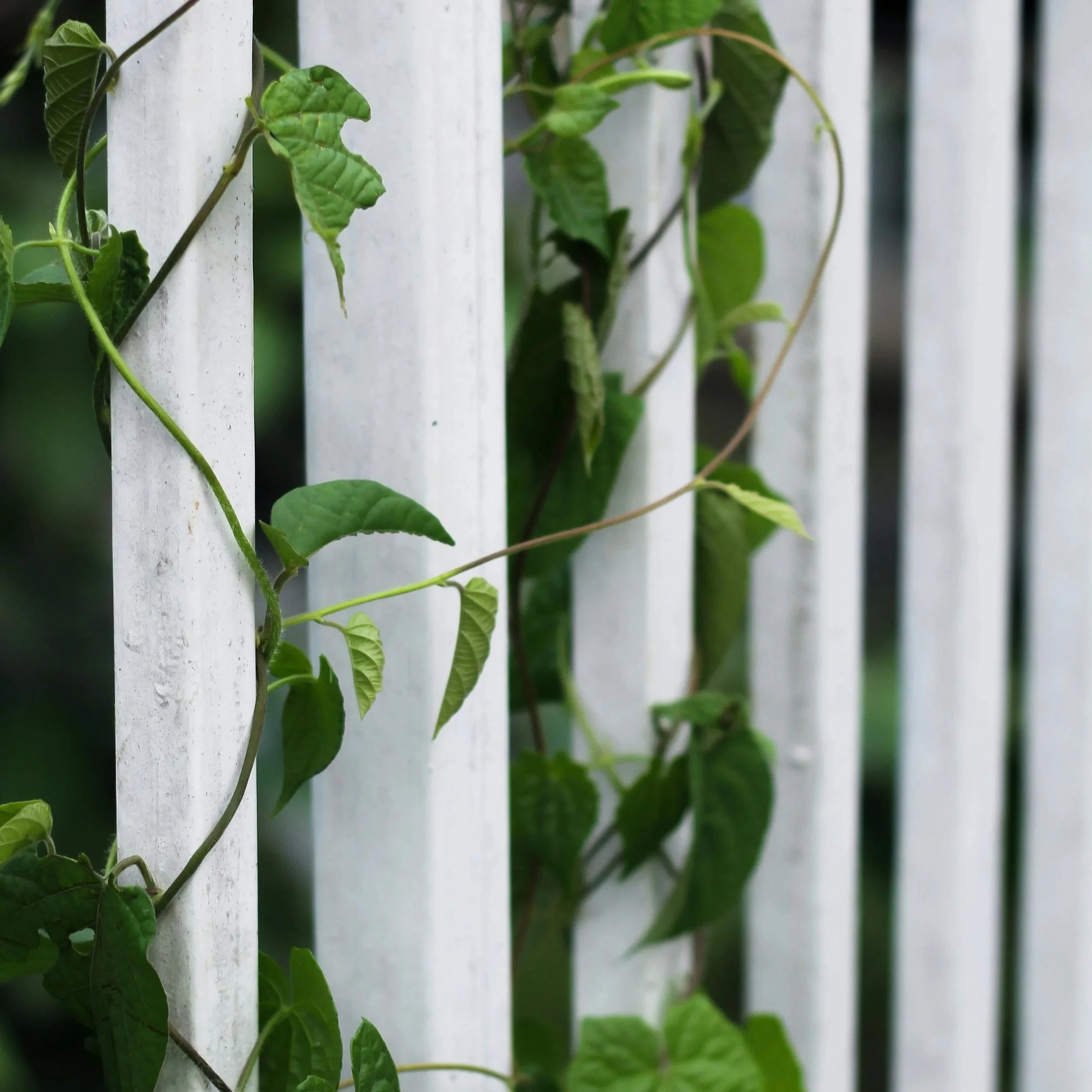
Homeowners want solutions built to last through seasonal changes, rising foot traffic, and growing communities.
Anti-climb fence installation has rapidly shifted from a specialty option to a preferred security upgrade in many neighborhoods. Homeowners once relied on basic fencing for privacy and curb appeal, but changing community dynamics have pushed security to the front of the conversation. Properties across the region now embrace anti-climb designs because they offer a practical way to increase safety without turning a yard into a fortress. Modern styles blend with landscaping, residential architecture, and neighborhood aesthetics, which makes the trend feel less like a security measure and more like a smart home improvement.
Property owners want protection that feels reliable while still keeping their outdoor spaces inviting. Anti-climb systems provide that balance with strategic vertical designs, smooth surfaces, and material options that reduce footholds. The growing interest reflects a shift in how homeowners view long-term safety. Security is no longer a project completed after a problem occurs. It is a proactive choice. Homeowners want solutions built to last through seasonal changes, rising foot traffic, and growing communities.
Why Anti-Climb Fencing Is Gaining Popularity
Homeowners today look for fencing that does more than define the property line. Anti-climb fencing offers a combination of durability, strong visual deterrence, and modern styling. Many regions now see denser neighborhoods, more visitors, and increased activity near residential streets. Those changes naturally shift homeowners' priorities toward comfort and security.
Anti-climb fence installation reduces common vulnerabilities found in traditional fencing. Designs eliminate footholds, minimize leverage points, and use strong vertical lines that discourage climbing. That performance attracts property owners who want a simple yet effective upgrade. Homeowners can also blend anti-climb fencing with privacy features for yards that require both security and coverage.
The Role Of Changing Neighborhood Dynamics
Growing communities bring increased foot traffic, more vehicles, and additional visitors moving through residential zones. Many homeowners now recognize how those changes affect privacy and security. Anti-climb fencing offers an unobtrusive way to protect the property while maintaining a visually welcoming yard. Neighborhoods near parks, schools, local businesses, or busy intersections often see the highest demand because residents want boundaries that support both safety and family-friendly spaces.
Properties located along walking routes or near access points to greenbelts or public paths often feel more exposed. Anti-climb designs reduce that feeling by directing activity away from the boundary. A professionally installed system helps maintain the neighborhood's character while providing an added layer of security.
Why Homeowners Are Growing Less Confident In Traditional Fencing
Traditional fences still serve valuable purposes. They offer privacy, establish boundaries, and enhance curb appeal. However, many homeowners now question whether standard styles meet their long-term security goals. Decorative rails, horizontal panels, and wide picket spacing can make climbing easier. Tougher neighborhood conditions call for designs that provide more than an attractive barrier.
Anti-climb fence installation offers security without sacrificing visual appeal. Vertical pickets create a cleaner look that feels intentional rather than industrial. The result is a fence that supports yard design while discouraging unwanted access. Homeowners now choose anti-climb options for functionality first, looks second, and long-term peace of mind third. That balance drives the trend forward.
The Move Toward Proactive Security
Home security has expanded far beyond locks and lighting. Fencing now plays an important role in creating a layered defense strategy that begins at the property's perimeter. Homeowners want to deter potential intruders, reduce opportunities for unauthorized access, and protect areas where children and pets play. Anti-climb fencing supports those goals by physically reducing the chance of climbing attempts.
Professional installation enhances that effectiveness. Experts recognize where property lines, slopes, utilities, and structural features might impact the fence. They also understand where homeowners need the strongest protection. Proper planning enhances the yard's overall security.
How Regional Growth Influences Fencing Choices
Communities with rapid growth often experience shifts in homeowner concerns. Construction increases, population expands, and new developments introduce unfamiliar movement patterns. Many regions now face changing demographics, leading more homeowners to turn to security upgrades. Anti-climb fencing fits neatly into that evolving landscape because it offers protection without visual clutter.
Properties near new residential developments often feel the impact most. Increased foot traffic from new residents, service workers, and visitors creates new expectations around privacy. Anti-climb styles support that need while maintaining a clean, uniform appearance that works in modern neighborhoods.
Why Modern Homeowners Love The Look Of Anti-Climb Fencing
Security features used to feel bulky and industrial, but modern anti-climb designs offer sleek lines and minimalist styling. Homeowners appreciate fencing that looks sophisticated while performing a critical task. Safe does not have to mean unattractive. Materials such as powder-coated steel or reinforced vinyl add style and strength.
Many anti-climb fences now complement contemporary architecture with clean profiles and symmetrical lines. Homeowners with updated landscaping or modern home styles often choose anti-climb systems because they align with the property's visual direction.
Balancing Privacy With Strong Security
Many homeowners want a fence that protects their yard and family without attracting unnecessary attention. Anti-climb systems offer a comfortable middle ground. They discourage climbing but remain visually open enough to maintain a welcoming appearance. For yards that need more privacy, professionals can add design elements that increase coverage without sacrificing anti-climb benefits.
Some neighborhoods have guidelines that limit the use of fully enclosed privacy fencing. Anti-climb systems give property owners a secure fencing solution that complies with those rules while still supporting their safety goals.
Why Regional Climate Influences The Trend
Climate impacts fence choice far more than many homeowners realize. Regions with heavy storms, strong winds, intense heat, or high humidity require durable materials that withstand environmental stress. Anti-climb systems made from steel, aluminum, or reinforced vinyl perform well under these conditions. They resist warping, leaning, cracking, and rust, which reduces long-term maintenance.
Professional anti-climb fence installation includes climate-aware techniques that protect the structure year-round. Stronger posts, deeper footing, and reinforcement at strategic points help the fence stay upright and aligned. Homeowners value systems that remain dependable across seasons.
Understanding Zoning And Regulations
Local regulations influence fencing choices significantly. Many regions have updated their guidelines to allow or encourage more secure residential fencing. Anti-climb fences fit within height restrictions, material guidelines, and neighborhood appearance standards. Homeowners who want stronger security appreciate fencing that supports compliance without requiring complicated approvals.
Professional installers help homeowners navigate regulations by guiding height, placement, and material selection. That support reduces the chance of installation issues and keeps the project moving smoothly.
How Technology Supports the Anti-Climb Trend
Homeowners now integrate security cameras, lighting, and smart devices into their yard designs. Anti-climb fencing supports those systems by preventing easy access to areas where equipment is placed. Many homeowners appreciate that a physical barrier reduces the number of alerts or activity detected by sensors.
Professionals often recommend anti-climb designs for properties that use modern security technology, as it provides a unified protective strategy. Physical security and digital monitoring work better together when paired with an effective perimeter.
Why Anti-Climb Fencing Supports Property Value
Buyers look for homes with strong security features. Anti-climb fencing adds value by creating a safer outdoor environment while enhancing curb appeal. A well-designed and professionally installed security fence signals a thoughtful investment. Many buyers appreciate homes that feel secure without appearing overly fortified.
Long-lasting materials also influence buyer confidence. Steel and vinyl resist fading, cracking, and weathering, helping the property look well-maintained. A well-cared-for fence often leads buyers to assume the rest of the property receives similar attention.
Matching Anti-Climb Features With Real Goals
Homeowners often start with ideas shaped by photos, videos, and neighborhood examples. Professionals translate those ideas into real solutions by evaluating property shape, landscaping, access points, and privacy needs. Anti-climb systems work best when they match the homeowner's goals. A homeowner who needs privacy should not choose a fully open design. A homeowner focused on security may prefer stronger materials to taller panels.
Many regions now favor anti-climb fencing because it adapts easily to different property layouts. Flexibility, strength, and modern styling make it an attractive choice.
Regional Considerations For Fence Search Queries
Local homeowners often research security fence options online using simple, conversational questions. Search patterns reflect interest in anti-climb fence installation, local security fencing, and region-specific solutions that match the environment. Residents want guidance tailored to their city's climate, landscaping, and architectural style. Using familiar city names, regional climate patterns, and neighborhood characteristics helps present the most relevant information for property owners seeking stronger fencing options.
Protect Your Home Now: Anti-Climb Fencing FAQs
How does anti-climb fencing improve home security?
Anti-climb designs remove footholds and minimize leverage points. A properly installed system helps deter unwanted access while maintaining curb appeal.
Is anti-climb fencing a good fit for residential areas?
Anti-climb fencing works well for homes near parks, public walkways, schools, and busy areas. It offers reliable security without creating a harsh appearance.
Which materials are best for installing an anti-climb fence?
Steel and aluminum offer strong durability. Vinyl provides a smooth surface that discourages climbing. The ideal choice depends on the regional climate and the homeowner's goals.
Will an anti-climb fence make my home look industrial?
Modern anti-climb fencing features clean vertical lines and attractive finishes that blend well with residential architecture. Many homeowners choose it for both style and security.
Does anti-climb fencing increase property value?
A secure, well-designed fence improves curb appeal and attracts buyers who prioritize safety. Strong materials and professional installation support long-term value.
The Fayetteville Fence Company LLC serving Fayetteville, Hope Mills, and surrounding communities in North Carolina offers aluminum fences, composite fences, privacy fences, and pool fencingusing high-quality materials. We also offer a 12-month warranty. Call now for a free estimate.