
Fence Height Myths That Refuse to Die in Your Neighborhood
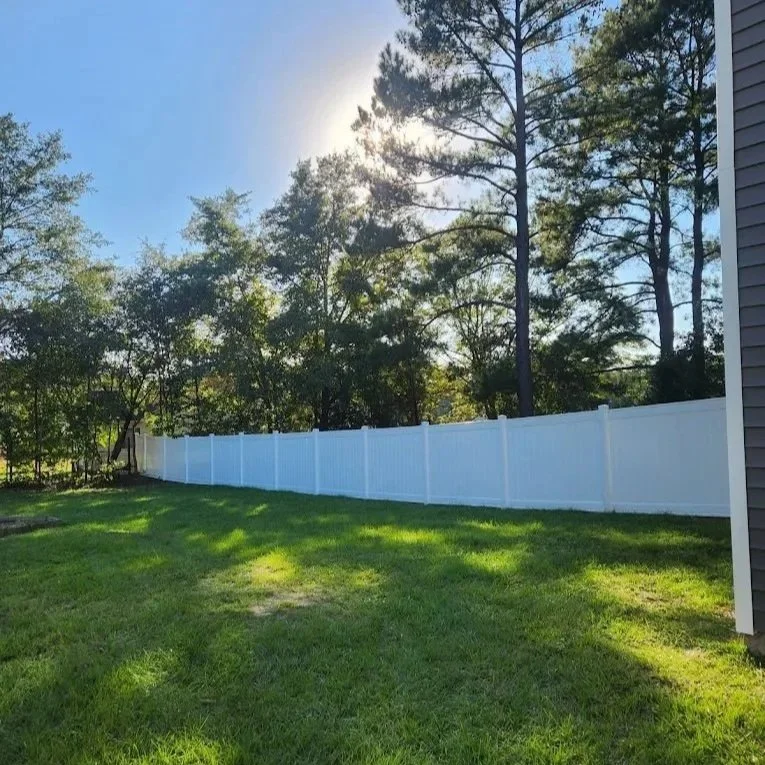
Fence height shapes a yard's character. It influences how much sunlight reaches the patio, how much wind the structure absorbs, how private the space feels, and how well pets stay contained.
Custom-height wood fence installation is one of the most requested services for homeowners looking to enhance privacy, curb appeal, and comfort. Yet the moment the conversation shifts to fence height, the myths begin rolling in faster than a runaway wheelbarrow. Everyone seems to have a "trusted rule," a "foolproof trick," or a story about how a neighbor's cousin's fence "proved" that height works a certain way. These myths guide decisions far more often than real yard conditions do, even though most of them fall apart the moment a professional actually evaluates the property.
Fence height shapes a yard's character. It influences how much sunlight reaches the patio, how much wind the structure absorbs, how private the space feels, and how well pets stay contained. A fence must fit the home, the landscape, and the way the yard is used. Yet many homeowners rely on outdated assumptions instead of observing how their yard actually behaves. Understanding where the myths break down helps homeowners choose a height that supports long-term performance and daily comfort, rather than wrestling with a fence that never quite matches their expectations.
Looking At Privacy Through A More Realistic Lens
One of the most stubborn myths claims that taller fences always give better privacy. Height helps, but privacy depends on much more than vertical measurement. A tall fence cannot fully block the view of a neighboring second-story window, and it struggles to stop visibility when the ground slopes down toward the property line. Privacy relies on sightlines. Sightlines depend on where people stand, where they look, and how tall the surrounding structures are.
Professionals use a different approach. They evaluate how the yard sits relative to nearby homes, how high decks or patios are, and where views open up. Sometimes, a moderate fence set slightly forward on the slope provides more privacy than a taller fence set lower. Shrubs, trees, and landscape accents contribute significantly to privacy, filling the gaps that fence height alone cannot address.
Homeowners also forget how important seated privacy is. People often spend more time sitting on patios or around tables than they do standing upright. A fence that blocks the view while seated may feel more private than a taller fence that only blocks standing height, leaving wide visibility gaps.
Seeing The Value In Shorter Fences
Shorter fences are often overlooked, yet they are extremely useful in many yard layouts. A shorter fence still defines property boundaries, organizes outdoor space, and boosts curb appeal. Many front yards benefit from shorter fences, which maintain a welcoming, open feel while still adding structure. Shorter fences also work beautifully with gardens, pathways, and flower beds, providing visual order without blocking sunlight or views.
Families with small pets often find that lower fences do the job as long as the spacing is secure. Containment depends more on the bottom edge of the fence than its overall height. Strong posts, tight gaps, and well-reinforced corners often prevent escape far more effectively than simply adding height. Homeowners who assume shorter fences serve no purpose usually base this belief on comparisons with tall privacy fences, forgetting that fences serve many purposes beyond privacy.
Short fences also shine when a property already has natural barriers. Dense trees, tall shrubs, or a raised yard provide privacy. A lower fence complements these features without overwhelming them.
Choosing Height Based On Your Property, Not Your Neighbors
Another myth suggests that the fence should always match the height of surrounding fences. That assumption can limit the homeowner more than it helps. Every yard has unique lighting, traffic exposure, and terrain. A corner lot open to foot traffic may need a taller fence, while a protected interior lot with plenty of vegetation may look better with a moderate-height fence.
Matching the neighbor's fence creates uniformity, but uniformity is not automatically good. A fence that is too tall for the home can make the yard feel cramped. A fence that is too low for the property layout leaves major gaps in privacy and comfort. Professionals help homeowners select a height that blends with the neighborhood without depending on imitation.
Matching style must take precedence over matching height. A similar design or wood finish maintains harmony even when heights differ slightly. Subtle variations create visual interest and better support the yard's needs than a one-size-fits-all approach.
Rethinking Noise Control Expectations
Noise control is one of the most misunderstood aspects of fence height. Many homeowners believe a fence becomes quieter as it gets taller. Height helps reduce noise, but it does not work alone. Sound travels over fences, reflects off hard surfaces, and slips through small spaces. Without the right material and pattern, a tall fence may reduce very little noise.
Wood absorbs sound better than some other materials, but the board layout matters significantly. Overlapping boards help block angled noise. Solid panels reduce sound much more effectively than styles with wide gaps. Landscaping also plays a major role in noise control. Trees, shrubs, and climbing plants disrupt sound waves, naturally softening noise.
If noise reduction is a priority, height may be part of the solution, but not the primary factor. A well-constructed mid-height fence made of dense materials often outperforms a very tall fence with gaps that let sound travel freely.
Finding Balance In Fence Aesthetics
Many homeowners firmly believe that shorter fences look better because they appear lighter and friendlier. Others think tall fences always look more modern and polished. Aesthetic appeal depends on proportion, not height. A fence that looks perfect around a small cottage may seem awkward around a large two-story home.
Professionals evaluate the home's architecture, roof height, siding lines, and landscaping to select a height that feels balanced. A tall fence that aligns with backyard structures and outdoor living spaces may enhance a modern home. Meanwhile, a lower picket-style fence may complement traditional architecture beautifully when height is chosen solely on myth or assumption; if it's based on fact, the fence risks looking disconnected. When chosen based on proportions, the fence enhances the entire property.
Understanding Durability In Real Terms
A widespread myth claims that taller fences last longer. Height actually increases wind load, soil pressure, and structural stress. Tall fences require deeper posts and stronger bracing to remain stable. When installed improperly, tall fences are more prone to problems than shorter ones, particularly in windy or uneven environments.
Shorter fences benefit from lower stress and often last longer in challenging soil conditions. They experience less leaning and shifting because the wind pushes against a smaller surface area. Installation technique matters far more than fence height. Professionals choose the right depth, spacing, and rail strength based on the fence's planned height and the surrounding soil and weather patterns. Durability grows from craftsmanship, not measurement.
Separating Height Choice From Property Line Confusion
Another persistent myth claims that property lines determine legal height. Property lines simply determine location. Height depends on local visibility rules, especially near driveways or front yards, and those rules vary widely. Very few limitations apply to backyard fences. Homeowners often limit themselves unnecessarily out of fear of breaking rules that do not exist.
Professionals clarify what the property actually allows. Many homeowners discover they have far more height options than they realized. Instead of basing decisions on myths, they choose heights that match real needs.
Managing Pet Containment More Effectively
Pet behavior creates its own set of myths. Many homeowners believe that if a dog jumps, climbs, or escapes, the solution must be more height. Yet the reasons pets misbehave usually have little to do with height. Dogs jump when they see activity outside the fence. Dogs dig when the bottom edge has gaps. Dogs climb when the fence gives them footholds.
A tall fence with wide spacing invites jumping because the dog still sees what excites them. A moderate height fence with solid boards blocks triggers and reduces behavioral urges. A tall fence that sits too far above ground invites digging beneath it. A secure bottom edge with gravel or buried reinforcement prevents escape far more effectively than extra height. Professionals evaluate behavior, not height myths.
Recognizing Natural Movement As Normal
Some homeowners believe a fence should remain perfectly straight and unmoving forever. Wood fences shift with changing weather. Moisture causes expansion, dry spells cause contraction, and wind can push gently against the panels. Soil shifts with rain, drought, and temperature changes. Height amplifies these visual shifts, making them more noticeable.
Minor movement does not reflect structural problems. Professional installation accounts for seasonal behavior by using spacing, bracing, proper post depth, and materials that tolerate environmental change. Understanding natural movement prevents unnecessary worry and helps homeowners spot real issues rather than misinterpreting normal changes.
Why These Beliefs Get Passed Around So Easily
Fence height myths spread because they sound simple. Homeowners want clear, definitive answers, especially when choosing something permanent. Height feels measurable, predictable, and easy to compare. Real yard conditions require a more layered approach. Climate patterns, sunlight, wind direction, soil behavior, architecture, and daily lifestyle all influence what height works best.
Myths survive because they offer certainty where the real answer depends on context. Yet once homeowners see how different factors shape performance, the myths lose their appeal. Custom-height wood fence installation gives them the freedom to choose solutions based on their property rather than their neighbors' assumptions.
Fence Height Questions Homeowners Often Ask
Does a taller fence always give better privacy?
No. Privacy depends on slope, surrounding structures, and where people stand. Placement and design matter just as much as height.
Can a shorter fence keep pets contained?
Yes. Many pets remain secure behind moderate-height fences when the bottom edge is reinforced, and visual triggers are reduced.
Does height alone improve noise control?
Height helps, but does not dominate noise reduction. Material density and construction style create stronger results.
Is a tall fence automatically more durable?
Not necessarily. Tall fences need deeper posts and stronger support to handle wind. Durability depends on installation, not height.
Should my fence match my neighbor's height?
Matching is optional. Height should reflect your yard's layout, privacy needs, and home design rather than neighborhood habits.
AR Fence is a professional fence installation expert offering wood fences, vinyl fences, cedar fences, and chain link fences We have over a decade’s experience serving Fayetteville, Hope Mills, and surrounding communities in North Carolina. As a top-rated local business, we offer competitive pricing and exceptional craftsmanship. Call now to book a free on-site consultation.