
Why Pressure-Treated Wood Is Gaining Popularity Locally
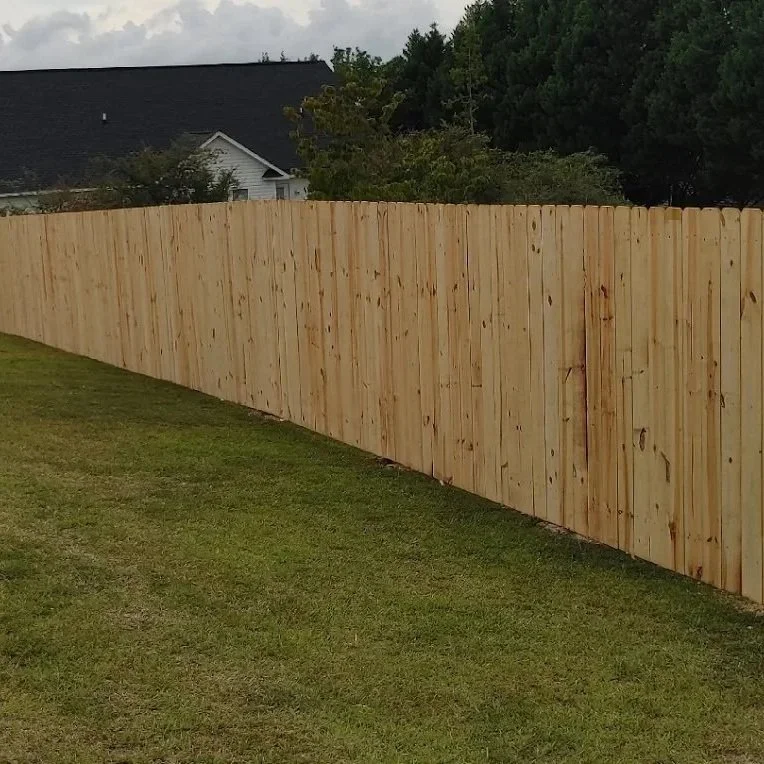
Pressure-treated wood gains popularity with each passing year because homeowners appreciate a material that blends beauty with strength.
Pressure-treated wood fence installation has become one of the most requested services among homeowners seeking a durable, attractive, and dependable fencing option. The growing interest comes from how well pressure-treated wood balances performance, longevity, and cost without sacrificing the natural look people love. More homeowners are choosing pressure-treated wood because it stands up to unpredictable weather, handles moisture better than traditional lumber, and provides a long-lasting barrier that enhances privacy, security, and curb appeal. Professional installers see the pattern clearly. Pressure-treated wood offers benefits that match the needs of modern homeowners who want stronger fences with fewer long-term headaches.
Pressure-treated wood gains popularity with each passing year because homeowners appreciate a material that blends beauty with strength. The wood undergoes a specialized treatment process that protects its fibers from decay, insects, and long-term moisture exposure. Even with that protection, the wood maintains its familiar, natural appearance. Many people want a fence that looks classic but performs like something far more advanced. Pressure-treated wood gives them both. The local landscape, weather patterns, and lifestyle needs all contribute to its growing popularity, especially among homeowners who want something reliable without sacrificing style.
The Appeal of Long-Lasting Durability
Durability sits at the top of the list when homeowners compare fencing materials. Pressure-treated wood stands out because it handles moisture, insects, and soil contact with far more confidence than untreated lumber. Pressure-treated wood fence installation provides structural advantages from the moment posts and panels are set in the ground. The chemical penetrates deeply into the grain, forming a barrier that resists common sources of damage.
Many homeowners are surprised at how well-treated wood performs when exposed to humidity fluctuations, heavy rain, and hot sunshine. Fences naturally interact with the environment, but treated wood handles those interactions more predictably. It expands and contracts like any wood, yet its resistance to rot allows it to withstand these conditions for a longer period. Professionals rely on pressure-treated materials when installing fences that need to withstand frequent moisture or soil shifts.
Homeowners who previously believed myths about wood weakness often switch to pressure-treated lumber after seeing real-world results. Old assumptions fade quickly when they learn how the treatment process strengthens the material without removing the natural charm that many people prefer in their yards.
Cost Effectiveness Without Sacrificing Quality
Pressure-treated wood remains one of the most cost-effective material options for fencing projects. Homeowners often discover that it delivers a strong balance between affordability and performance, especially when compared to more expensive alternatives like vinyl or composite. Fence installation professionals use pressure-treated lumber because it offers reliable structural strength at a price that does not overwhelm a project budget.
The treatment process reduces the likelihood of early wood replacement. Even though all fences eventually age, pressure-treated wood delays the most common forms of early deterioration. That long-term reliability gives homeowners greater value for every dollar they invest. Instead of paying premium prices for materials that behave similarly or require complex installation, many choose treated wood because it provides tangible performance advantages for a manageable cost.
Cost-effectiveness also plays into long-term planning. Many homeowners choose pressure-treated wood because it allows them to build a large or decorative fence while staying within their preferred budget. Professionals often recommend treated lumber when homeowners want maximum durability without overspending.
Why Homeowners Love The Natural Look
Pressure-treated wood maintains a warm, classic appearance that blends well with most landscapes. Many homeowners prefer the timeless look of wood over more modern materials. Treated wood preserves that appearance while adding far more resilience than standard lumber. The fibers remain visible and natural, which helps the fence complement gardens, patios, and outdoor living areas.
Professionals often say that pressure-treated wood ages gracefully. Over time, sunlight and weather soften the coloring, creating a look many homeowners find appealing and rustic. The material can also be stained in different shades if a homeowner wants a specific style. Its flexibility with color makes it ideal for matching a home’s exterior design or adding visual character to the yard.
The ability to blend beauty and strength is one of the biggest reasons pressure-treated wood continues growing in popularity. Homeowners want fences that perform under stress but also bring charm and character to their property. Treated wood checks both boxes effortlessly.
Adaptability To Local Weather Conditions
Pressure-treated wood handles shifting weather patterns with impressive resilience. Professionals see firsthand how well-treated wood manages moisture, heat, and cold, which makes it ideal for regions with unpredictable temperature changes. The treatment protects the wood at the cellular level, giving it a strong foundation to resist decay even when exposed to harsh weather conditions.
Rainy periods bring moisture that untreated wood would absorb too quickly, leading to early rot. Treated wood absorbs some moisture but retains its protective strength and can recover once conditions dry out. During hot spells, treated wood dries at a manageable pace without losing structural stability. Cold weather introduces a different set of challenges, yet pressure-treated wood handles seasonal contractions effectively when installed with proper spacing.
The wood’s reliability across all seasons makes it a favorite among professionals. Homeowners appreciate that performance because it reduces common fence problems linked to weather fluctuations. Many who once believed fence-fail myths quickly discover how pressure-treated wood counters those concerns.
A Strong Match For Varying Soil Conditions
Soil behavior shapes the long-term performance of every fence. Moisture, density, softness, and slope all influence how posts settle and how wood responds to the ground. Pressure-treated wood fence installation takes advantage of the material’s ability to tolerate constant soil contact better than untreated lumber. Posts placed in the ground are vulnerable to groundwater and soil moisture, yet treated wood resists decay where untreated wood would break down more quickly.
Soil shifts seasonally. Heavy rain expands it, dry spells compress it, and frost lifts it. Pressure-treated wood handles these changes with more stability. Even when posts experience slight shifts caused by soil movement, the wood maintains its strength. Professionals often pair treated posts with strategic gravel backfills or proper concrete footings to support long-term alignment.
Homeowners who have dealt with fence leaning or early post failure in the past often choose pressure-treated lumber for future projects because it provides a stronger foundation in unpredictable soil.
Versatility Across Many Fence Styles
Pressure-treated wood works well with nearly every fence style, from simple privacy fences to decorative layouts with unique patterns. Its strength supports tall fences, while its flexibility works beautifully with traditional picket designs and modern horizontal patterns. Fence installation crews appreciate how the material adapts to custom designs without losing durability.
Many homeowners want fences that reflect their personality. Treated wood allows creative freedom without sacrificing structural stability. Whether a homeowner wants a classic look, a modern design, or a hybrid with decorative elements, pressure-treated lumber delivers. Its ability to shape, cut, and customize without weakening makes it ideal for homeowners who want custom features.
Professionals often recommend pressure-treated wood for projects that require both visual appeal and structural resilience. The material adapts smoothly to decorative gates, curved layouts, and multi-height designs, enhancing curb appeal.
Lower Maintenance Compared To Standard Lumber
Pressure-treated wood requires far less upkeep than untreated wood. The natural preservatives help protect the lumber from pests, decay, and many weather-related issues. Professionals highlight this benefit because it gives homeowners confidence that their fence will perform well without constant attention.
Low maintenance does not mean the wood needs no care at all. Occasional cleaning and visual inspections help extend the lifespan, but the material does not demand frequent treatments or special care routines. Many homeowners appreciate that they can enjoy the look of natural wood without dealing with extensive upkeep.
Pressure treated wood strikes the balance many homeowners want. They gain durability and style without the constant maintenance demands, making the material especially popular among busy families and those who want dependable performance.
Aligning With Sustainable Outdoor Planning
More homeowners want outdoor materials that support long-term sustainability. Pressure-treated wood often fits into those plans because it lasts longer than untreated wood, reducing the need for frequent replacements. A longer lifespan means fewer trees harvested and fewer materials sent to the landfill.
Professionals explain that treated wood supports sustainable landscaping when paired with proper installation techniques. A strong foundation and well-planned layout extend the fence’s life even further. Homeowners who care about environmental responsibility appreciate materials that reduce waste while delivering excellent performance.
Pressure-treated wood also works well with native landscaping, garden planning, and outdoor living designs. Its natural appearance blends easily with eco-focused yards.
Why Professionals Recommend Pressure-Treated Wood Frequently
Fence installation specialists often guide homeowners toward pressure-treated lumber because they see how well it performs in real-world conditions. They understand the myths surrounding wood fences and know how to counter those misunderstandings with direct experience. Professionals value treated wood for its reliability, versatility, and balanced cost structure.
Expert installation plays a major role in achieving the best results. Professionals account for spacing, acclimation, soil conditions, wind exposure, and moisture patterns to support long-lasting performance. The material already offers strong natural protection, and professional planning further strengthens it.
Homeowners want fences that last, look attractive, and provide strong value. Pressure-treated wood meets those needs, which explains its rise in popularity across many neighborhoods.
Does pressure-treated wood resist rot better than untreated wood?
Yes. Pressure-treated wood undergoes a chemical process that helps protect the fibers from rot caused by moisture and soil contact.
Can pressure-treated wood warp over time?
Some movement is natural for any wood. Proper installation strategies help reduce warping and support long-term stability.
Is pressure-treated wood a good choice for tall privacy fences?
Pressure-treated materials work well for taller fences because they offer strong structural support and long-lasting durability.
Does the color of pressure-treated wood change as it ages?
Sun exposure naturally lightens the color over time. The change does not reduce strength or performance.
How long does a pressure-treated wood fence typically last?
Lifespan varies based on climate and soil conditions, but treated wood typically lasts significantly longer than untreated lumber.
The Fayetteville Fence Company LLC is a professional fence installation expert offering wood fences, vinyl fences, cedar fences, and chain link fences services. We have over a decade’s experience serving Fayetteville, Hope Mills, and surrounding communities in North Carolina. As a top-rated local business, we offer competitive pricing and exceptional craftsmanship. Call now to book a free on-site consultation.