
Fence Fail Myths: What Homeowners Keep Getting Wrong
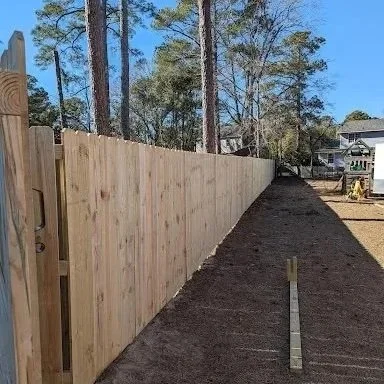
A professionally installed fence will perform its job well when expectations align with reality. The key is to move past myths and embrace a deeper understanding of fence behavior.
When it comes to fence installation, homeowners often hear a range of myths, especially about materials, seasonal timing, and overall performance. These misconceptions often spread quickly, whether it's from neighbors, online forums, or casual advice from friends. Professionals in the industry hear the same myths repeated time and again. Many of these misconceptions arise from misunderstandings about how weather, soil, and materials interact with a fence over time. However, a fence is not a static structure; it's a dynamic part of your property that responds to its environment. Understanding how a fence behaves is key to avoiding unrealistic expectations and enjoying a fence that's built to last.
Misconceptions spread far more easily than accurate information, and when it comes to fences, myths can often lead to confusion. A leaning post, for example, is commonly assumed to be the result of poor craftsmanship, but in most cases, it's actually caused by natural shifts in soil, moisture levels, and even root growth. Fence crews are trained to identify why a fence shifts, leans, or develops minor issues over time. Most of these problems are predictable based on the environmental conditions the fence is exposed to, not because of a lack of expertise. A professionally installed fence will perform its job well when expectations align with reality. The key is to move past myths and embrace a deeper understanding of fence behavior.
Understanding Natural Fence Movement
One of the most widespread myths is that a fence should stay perfectly still throughout the year. Homeowners often expect their posts, rails, and pickets to remain completely stationary, which isn't a realistic expectation for any material. Whether it's wood, vinyl, or metal, all materials experience some level of expansion and contraction due to changing temperatures and moisture levels. For instance, wood naturally expands and contracts as it absorbs and releases moisture, while vinyl adapts to temperature fluctuations without losing structural integrity. This movement is normal and doesn't signal that something's wrong with the fence; it's just part of its natural life cycle.
Soil conditions also play a major role in how a fence behaves. For example, heavy rainfall can soften the ground, while drought can harden and compress it. In some regions, frost can lift the soil, shifting the fence's position. These natural shifts in the environment can cause small, predictable movements in fence alignment, but they don't necessarily signal failure. A stable, well-installed fence is designed to withstand these cycles without losing strength or functionality. Understanding these natural processes can help homeowners feel more confident about their fence's longevity, as minor changes are to be expected and are usually easy to address with some occasional maintenance.
Decoding Post Lean And What It Really Means
When a fence post begins to lean, homeowners often assume it's due to poor installation. However, in most cases, the leaning of posts is due to soil shifting around them. Rain and moisture can loosen the soil, while dry conditions cause it to compress, creating uneven pressure around the base of the post. Root growth or underground movement can also put pressure on posts, causing them to shift. These environmental factors, many of which are beyond the installer's control, contribute to the gradual movement of the fence posts.
A leaning post does not always mean that the fence was poorly installed or that it's a structural failure. In many cases, simple soil adjustments or targeted repairs are enough to bring the post back to a stable position. If the problem is more extensive, a deeper investigation into soil conditions, drainage issues, or long-term settling may be necessary to address the cause. It's important to note that more concrete around a post won't always solve the problem. While concrete plays a crucial role in stabilizing posts, it is the surrounding soil and environmental factors that ultimately influence the post's alignment. Concrete, when used properly, is part of a balanced foundation, but it cannot prevent natural soil movement.
Recognizing The Truth About Wood Strength And Maintenance
When it comes to wood fences, homeowners often hear about the durability of certain types of wood, such as cedar or pressure-treated lumber. These materials are known for their strength and resistance to the elements, but that doesn't mean they're impervious to the effects of weather. Many homeowners mistakenly believe that premium woods like cedar or pressure-treated wood are immune to environmental stressors, such as moisture, sun exposure, and temperature changes. While these materials are indeed stronger than others, they still need proper care to maintain their performance over time.
Wood naturally shifts and fades as it interacts with moisture and sunlight. Pressure-treated wood, for example, is designed to resist moisture and decay, but it still needs regular maintenance to avoid premature wear. Homeowners who neglect to keep soil away from the base of the fence or to clear debris that traps moisture are likely to see their fence degrade more quickly. While high-quality wood can last for many years, it will perform better and last longer with periodic care and maintenance. This means regular checks for moisture buildup and the occasional re-sealing to protect against the elements. Understanding that wood is not "indestructible" helps homeowners set realistic expectations for their fence's longevity.
Rethinking Concrete As A Fix-All Solution
Concrete is an essential part of the fence installation process, but many homeowners believe that more concrete equals more stability. This myth can lead to problems down the line. While concrete provides a solid foundation for fence posts, too much concrete can create problems. Excessive concrete can trap moisture around the base of the post, leading to rot or erosion of the surrounding soil. In contrast, when used correctly, concrete supports the post while allowing for proper drainage around it.
The key to concrete's effectiveness lies in its balance. It must stabilize the post while also allowing for natural water flow to prevent moisture buildup. Fence installation experts know that the right amount of concrete, combined with proper drainage, is the best way to ensure a fence's longevity. More concrete won't always fix movement problems; sometimes it's the surrounding environmental factors, such as moisture levels and soil composition, that need to be addressed. Professionals focus on creating a balanced foundation that supports the post while accounting for natural soil movement and drainage.
Accepting That Fences Need Occasional Adjustments
One of the biggest myths homeowners have about fences is that they should remain in perfect condition forever. This misconception often leads to frustration when small changes, such as slight fading, minor shifting, or small gaps between boards, appear over time. The truth is that fences, like any outdoor structure, require occasional adjustments to maintain their strength and appearance. Weather conditions, such as rain, wind, and temperature changes, can cause the materials to shift and settle.
Just as vehicles require periodic maintenance to secure long-term performance, fences also need occasional attention. Minor adjustments, such as realigning posts or tightening rails, can help prevent larger, more costly repairs in the future. Professionals recommend regular inspections, especially after extreme weather, to confirm your fence remains in good condition. Understanding that some maintenance and adjustments are normal helps homeowners keep their fence in optimal condition for years to come.
Acknowledging Wind's Impact On Fence Performance
Wind is one of the most underestimated factors that affect a fence's performance. Homeowners often assume that a professionally installed fence can withstand any amount of wind. Still, in reality, wind impact depends on several factors, including the fence's design, the materials used, and the environment around the property. Wide-open spaces with little wind protection will require more reinforcement than areas with natural barriers, such as trees or other buildings.
Professionals understand how wind affects different types of fences and adjust their installation techniques accordingly. Factors like property layout, nearby buildings, and even elevation can affect how the wind will affect the fence. It's essential to consider these variables before deciding on the type, height, and materials for your fence. By understanding the local wind patterns and how they affect your fence, you can avoid disappointment and make sure that your fence performs well in all weather conditions.
Letting Go of the "Perfect Forever" Expectation
Another common misconception about fences is the expectation that they should remain in perfect condition indefinitely. After installation, many homeowners admire their fence's pristine appearance, but over time, natural wear will inevitably occur. Sun exposure, rain, and temperature fluctuations all contribute to the gradual aging of a fence, which is perfectly normal. This doesn't mean the fence is failing; it's simply part of the natural aging process of outdoor structures.
Homeowners who understand that small changes in appearance, such as fading, slight shifting, or the development of small cracks, are normal will be better equipped to maintain their fence's longevity. By accepting that fences will naturally age, homeowners can focus on keeping them functional and reliable, even as they lose their brand-new appearance. Regular maintenance and care can help keep the fence strong and visually appealing for many years, allowing homeowners to enjoy their fence without unrealistic expectations.
What causes fence posts to lean during certain seasons?
Soil conditions change with the seasons, leading to temporary or gradual shifts that affect post positioning. Professionals assess soil depth and moisture to diagnose the cause.
Does vinyl handle temperature changes better than wood?
Yes, vinyl adapts well to regions with wide temperature swings because it flexes without cracking. Proper installation spacing helps support these natural changes.
Is wood maintenance really necessary for premium materials?
Even high-quality wood interacts with sunlight, moisture, and soil. Regular care, like sealing and moisture management, helps extend its life and maintain its appearance.
How often should a fence be inspected?
Seasonal checks help detect early signs of movement or wear. Professionals recommend occasional inspections after major storms or extreme weather conditions.
Can strong wind damage a professionally installed fence?
Wind can stress any fence. However, professionals reinforce fences based on wind exposure levels to reduce damage.
The Fayetteville Fence Company LLC serving Fayetteville, Hope Mills, and surrounding communities in North Carolina offers aluminum fences, composite fences, privacy fences, and pool fencingsolutions. Customer satisfaction is our top priority. We ensure prompt installation using high-quality materials. We also offer a 12-month warranty. Call now for a free estimate.