
Moving Your Fence, Not Your Sanity: How to Relocate the Right Way
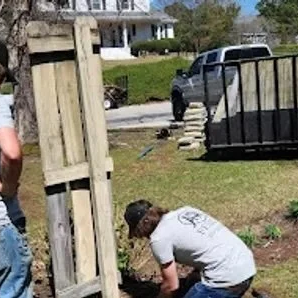
When handled correctly, fence relocation keeps your property secure and looking great without the headaches of starting completely from scratch.
Fences sometimes need a new address. Whether you’re expanding a yard, reshaping property boundaries, or building a new structure, a professional fence relocation can save time, resources, and frustration. It’s not as simple as pulling up posts and planting them elsewhere. Moving a fence requires planning, precision, and professional expertise. When handled correctly, fence relocation keeps your property secure and looking great without the headaches of starting completely from scratch.
Understanding Why Fence Relocation Matters
Fence relocation comes up more often than many homeowners realize. Maybe you’re adding a pool, building an addition, or regrading your yard. Sometimes property lines are redrawn after a survey or a neighboring lot changes hands. A fence that once made perfect sense suddenly sits in the wrong spot.
Professionals who specialize in fence relocation understand how to carefully take down existing structures, preserve as many materials as possible, and reinstall them with the same strength and beauty as before. Relocating properly saves money, maintains property boundaries, and reduces waste by reusing materials when feasible.
Evaluating The Existing Fence
Before any relocation begins, professionals assess whether the current fence is a candidate for moving. Some fences are too damaged, weathered, or outdated to justify relocation. A proper evaluation identifies which sections can be reused and which should be replaced.
Wood fences, for example, often experience rot or splitting around post bases. Metal fences might show corrosion or bending that compromises the structure. Vinyl panels can warp under years of sun exposure. Professionals inspect each component and create a plan that seamlessly blends new and existing materials.
A detailed evaluation also prevents surprises during installation. Measuring post spacing, checking soil conditions, and identifying underground utilities all contribute to a smooth and safe relocation. Professionals map out the entire process before lifting a single panel.
Planning For A Smooth Transition
Moving a fence without disrupting your daily routine takes careful coordination. Professional fence relocation services plan every step to minimize downtime and keep your property secure throughout the transition. They work with property owners to determine the best timeline, materials, and new placement.
Permits and regulations often come into play. Many municipalities require approval when altering boundary lines or changing fence height or placement. Professional services handle those details, communicating with local authorities and neighbors to verify compliance. That level of organization saves homeowners from future disputes and penalties.
If you live in an area with unique terrain, such as sloped yards or rocky soil, professionals adapt installation methods to maintain stability. Their experience helps anticipate challenges so your relocated fence stays strong in its new position.
Disassembling With Care
One of the biggest differences between professional and amateur relocation lies in the removal process. Professionals disassemble fences methodically to preserve usable materials. Posts, panels, rails, and hardware are removed carefully, labeled, and inspected for reuse.
Fence posts are often the trickiest part. Many are embedded in concrete or deep soil, and removing them without damage requires specialized tools. Professionals use extraction methods that minimize ground disruption, keeping your lawn and landscaping intact.
Once everything is safely removed, professionals clean and prepare the materials for reinstallation. Reusing quality components helps maintain visual consistency while reducing project costs and waste.
Preparing The New Location
A successful relocation starts with a well-prepared site. Professionals mark the new layout based on accurate measurements and property boundaries. They verify gate and corner spacing, keeping both functionality and appearance in mind.
Soil preparation plays a major role. Posts need a solid footing to stay upright through wind, rain, and temperature shifts. Professionals adjust post depth and footing materials according to soil type, adding gravel or concrete as needed. They also consider drainage to prevent water accumulation that could weaken the base over time.
When working in residential areas, professionals take care to avoid damaging underground utilities, irrigation lines, or landscaping features. They coordinate with utility companies if necessary to identify safe digging zones before installation begins.
Rebuilding With Precision
Relocating a fence isn’t just about reattaching old panels. It’s about reestablishing structure, alignment, and function. Professional installers treat the rebuild as a new installation with an added layer of customization.
Each post is set straight and level to maintain the fence’s stability and appearance. Panels and rails are aligned carefully to avoid gaps or uneven sections. Gates receive extra attention because they experience the most movement and must operate smoothly after relocation.
Professionals also take the opportunity to upgrade materials or hardware. If the original posts were untreated or the hinges were worn, replacements can be made during the relocation to extend the fence’s lifespan. The goal is to create a final result that looks intentional and performs reliably.
Blending Old And New Elements
A relocated fence often combines older materials with new components. The challenge lies in blending them seamlessly. Professionals can match stains, finishes, and styles to keep everything cohesive. They may also recommend strategic replacements where older materials no longer meet performance or aesthetic standards.
In some cases, adding new design features enhances both look and function. Decorative caps, accent lighting, or privacy panels can turn a standard fence relocation into a stylish upgrade. Professionals provide guidance on design choices that align with both the budget and property goals.
Maintaining Structural Integrity
Relocated fences must perform just as well as newly built ones. That means paying attention to factors like post anchoring, wind load, and material stability. Professionals install posts at the correct depth for your region’s soil and climate, using proper backfill and alignment techniques to prevent future leaning or shifting.
Hardware connections are reinforced to handle stress, and panels are secured using durable fasteners suited to the fence material. Attention to these details separates professional results from makeshift fixes. A properly relocated fence stands strong, resists weathering, and maintains its original charm.
Saving Time And Sanity With Professional Help
Relocating a fence on your own can quickly turn into an exhausting project. Without proper tools or experience, it’s easy to damage panels, misplace posts, or miscalculate boundaries. Professional fence relocation teams bring efficiency, safety, and precision to the process.
They handle every stage, from permits to cleanup, so homeowners can focus on enjoying their updated space. Working with professionals also reduces liability risks, especially when digging near utilities or along shared property lines. The peace of mind that comes from knowing everything is handled correctly is worth far more than the cost of the service.
Environmental And Budget Benefits
Relocating a fence rather than replacing it completely offers both environmental and financial advantages. Reusing quality materials reduces waste and conserves resources. Instead of sending lumber or metal to the landfill, professionals refurbish usable components for a second life.
Recycling also cuts material costs. By saving sections of the original fence, homeowners spend less on new supplies while still enjoying a refreshed look. When combined with energy-efficient practices and local sourcing, professional relocation becomes a sustainable solution that benefits both your property and the environment.
Local Expertise Makes A Difference
Every region presents unique challenges when it comes to fence relocation. Soil composition, weather conditions, and municipal regulations all influence how a project unfolds. Professionals with local experience understand these variables and plan accordingly.
In areas with heavy clay, for instance, posts may require deeper installation and better drainage. Coastal regions might need corrosion-resistant hardware. Knowing these details helps avoid future problems and keeps the relocated fence performing its best.
Professionals familiar with local building codes also streamline the permitting process, avoiding costly delays. Their familiarity with local materials and suppliers means your fence gets the right components faster and at a better value.
Upgrading During Relocation
Fence relocation offers a golden opportunity to make improvements you might have skipped during the original installation. Want more privacy? Taller panels or solid sections can be added. Need better access? A wider gate or double entry can make movement easier.
Professionals help identify upgrades that enhance both appearance and practicality. You can add features like post lighting, motion sensors, or decorative accents without starting from scratch. A well-planned relocation not only shifts your fence but also elevates your entire outdoor setup.
Avoiding Common Mistakes
Many DIY relocations fail because homeowners underestimate the complexity of the task. Common mistakes include setting posts too shallow, skipping permits, or reusing damaged materials. Even small misalignments can lead to leaning fences, broken gates, or drainage issues.
Professional services avoid those pitfalls through experience and precision. They use commercial-grade tools to measure, dig, and anchor accurately. They also verify that all local codes and property boundaries are respected, preventing disputes or costly corrections later.
Maintaining The Relocated Fence
Once your fence has found its new home, regular care keeps it in great shape. Professionals recommend inspecting it seasonally to catch small issues early. Cleaning away debris, tightening hardware, and refreshing sealant or paint go a long way in preserving appearance and strength.
Many fence companies offer maintenance packages that include inspection and minor repairs. Taking advantage of those services keeps the fence looking as good as the day it was relocated and avoids bigger expenses down the road.
When To Consider Replacement Instead
Not every fence is worth relocating. If the structure has extensive rot, rust, or warping, replacement may be more cost-effective. Professionals provide honest assessments to help homeowners make informed decisions. In some cases, combining relocation with partial replacement gives the best outcome for both budget and durability.
Knowing when to start fresh versus when to reuse materials helps balance cost and performance. Either way, a professional approach guarantees a reliable and attractive result.
Relocating Without The Stress
Fence relocation doesn’t have to cause chaos. With professional planning, skilled craftsmanship, and clear communication, the process becomes straightforward and satisfying. Instead of dreading the disruption, homeowners can look forward to a refreshed, functional, and well-placed fence that fits their evolving property needs.
Relocating the right way means more than moving panels; it means moving forward with confidence. Professionals turn what could be a stressful project into a smooth experience, keeping your fence and your sanity firmly in place.
Trust over a decade’s experience of The Fayetteville Fence Company LLC if you are looking for a fence repaircompany in Fayetteville, Hope Mills, and surrounding communities in North Carolina. We are a licensed and insured company offering a host of other fence solutions, including backyard fences, fence removal and replacement, and fence maintenance and upgrades, to homeowners. Call now to book a consultation.