
Construction Fence Misconceptions That Slow Down Local Projects
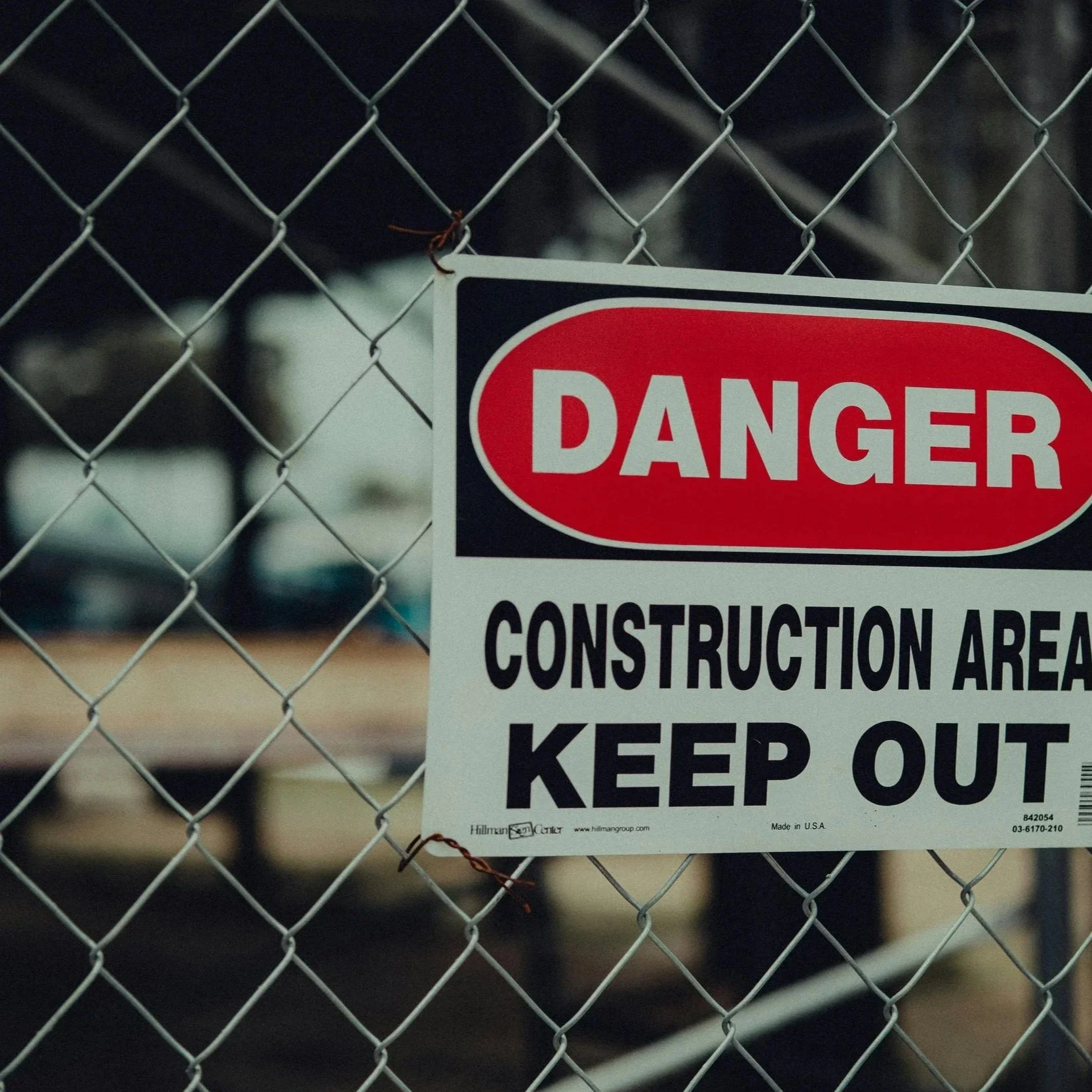
Temporary fencing defines the working zone, protects materials, and keeps both workers and the public safe.
Construction projects rely on coordination, timing, and structure, yet one of the most overlooked tools for keeping everything on track is the temporary fence. Many property owners and contractors assume the fence is the simplest part of the site setup. A few panels, a couple of bases, and the job appears complete. The misconceptions surrounding construction site fence installation often create delays, unexpected hazards, and preventable headaches. A fence might look straightforward when viewed from the sidewalk, but its performance depends on technique, planning, and awareness of how construction sites actually behave.
Temporary fencing defines the working zone, protects materials, and keeps both workers and the public safe. When misconceptions shape the approach, the fence may not perform as needed. Workers might lose valuable time resolving preventable issues. Crews may struggle with organization. Security gaps may emerge where no one expects them. Addressing the myths that slow down projects helps contractors build sites that function smoothly and safely from day one.
Understanding What Makes A Fence Truly Stable
Many people assume temporary fences are strong enough on their own without additional support. The panels appear sturdy, and the bases look heavy, so it is easy to believe nothing more is required. Professional construction site fence installation tells a different story. Panels rely on bracing, proper spacing, and secure anchoring to stand up to wind, equipment movement, and daily workflow demands. Without reinforcement, a fence becomes unpredictable, especially in exposed areas or during weather shifts.
Weight alone does not guarantee stability. Construction environments constantly challenge fencing due to soil changes, uneven terrain, vehicle movement, and airflow patterns. Even the strongest panels require proper anchoring to avoid tipping. Professional installation starts with evaluating the job site and matching fence type to the surrounding conditions. True strength lies in how fencing interacts with the landscape rather than in the panels themselves.
Everyday activities also affect the structure. A worker bumping into a panel, a truck shifting too close, or a section absorbing vibration from machinery can weaken a poorly installed fence. Professionals anchor and brace panels with those realities in mind so the fence remains steady throughout the entire project.
Why Fence Layout Takes Longer Than People Expect
Construction schedules move quickly, and some contractors believe that fencing can be set up in just a few minutes. They underestimate the planning required to position gates, protect high-traffic areas, and create safe walkways. Rushed setups often lead to delays once crews discover the fence blocks access to staging areas, complicates equipment paths, or lacks the reinforcement necessary for daily use. A carefully planned construction site fence installation prevents setbacks by supporting the project flow from the beginning.
Repositioning a fence later is rarely as simple as it sounds. Moving panels requires reinstalling bases, adjusting bracing, and creating new access points. Projects lose valuable hours when layouts shift mid-project because the initial placement lacked planning. Professionals avoid these issues by assessing equipment routes, delivery zones, and utility access before installing any panels.
A strategic layout anticipates how the project evolves. As materials arrive, crews expand the work zone, and builders transition through different phases, the fence needs to support movement rather than interfere with it. Good planning creates a fence that complements the workflow rather than complicating it.
Rethinking What Security Really Requires
Some property owners assume construction sites hold nothing of interest during early stages, so they overlook security needs. Even early in a project, valuable supplies such as copper wiring, tools, and machinery attract unwanted attention. A fence lacking height, stability, or proper placement provides easy access. Professional construction site fence installation focuses on protecting vulnerable sections and guiding activity toward controlled entry points.
Relying solely on cameras or occasional site checks creates another false sense of security. Cameras assist only when paired with a fence that restricts access. A clear physical boundary directs movement and keeps trespassers noticeable rather than concealed by open space. Security strengthens when physical barriers work alongside monitoring tools.
Daytime activity brings risks as well. Workers often stage tools or materials near the perimeter without considering visibility from public areas. A strong fence reduces casual trespassing, deters opportunistic theft, and enhances job-site control. It helps crews focus on their tasks rather than worry about missing items.
How Weather Plays A Bigger Role Than Expected
Weather influences fencing far more than many people assume. Temporary fences respond to wind, rain, heat, and cold with surprising sensitivity. Wind pushes against panels, loosens connectors, and causes sway, weakening stability. Rain softens soil, allowing bases to sink or shift. Heat expands metal components, which alters tension. Cold introduces contraction and ground movement, which change support conditions. A fence installed without these factors in mind may lean, wobble, or collapse during seasonal shifts.
Some believe heavy bases are enough to handle weather, but soil and wind interactions complicate that assumption. Soil saturation reduces base stability. Wind funnels between buildings, increasing pressure on fence panels. Heat can weaken certain materials, and cold can cause sudden structural changes. Professional installers consider local weather patterns before placement and choose materials that perform well against environmental stressors.
Weather shifts also create hidden weak points. A fence that appears stable from a distance may have loosened connectors, sinking bases, or shifting bracing. Professional installation creates structures that can absorb weather impact with fewer adjustments. Understanding weather effects helps reduce downtime caused by sudden fence failures.
Why Access Points Need More Thought Than A Simple Opening
Contractors sometimes overlook gate placement while installing fencing. Any opening may seem good enough as long as the equipment can pass through. Gates, however, influence every aspect of job-site flow. A gate placed too close to active work zones creates hazards. A poorly located gate forces vehicles to navigate tight spaces or cross unsafe paths. Professional construction site fence installation takes gate placement seriously to support smooth operations.
Too many gates pose challenges as well. Multiple openings complicate security, increase the number of vulnerable points, and create unpredictable traffic patterns. Workers need predictable entry and exit routes to avoid collisions and confusion. One well-placed gate often supports efficiency better than several poorly positioned ones.
Gate framing also affects fence stability. Gate sections endure more movement than other parts of the fence, so they require extra bracing. Without that reinforcement, the gate becomes the weakest point in the structure. Professionals design entry points to withstand frequent use without compromising overall stability.
Understanding The Lifespan Of Temporary Fencing
Some property owners view temporary fencing as disposable, assuming it will not stay intact for long projects. Quality temporary fencing lasts months or years, depending on the installation method and maintenance. Durability depends on the structural design, panel thickness, and how well the fence withstands weather and use. Professional installation extends lifespan by preventing panel collapse, warping, or unnecessary stress.
Renting fencing sometimes leads to assumptions about quality. Rental panels range from brand new to heavily worn. The difference lies in how they are installed. A properly reinforced rental fence may perform as reliably as a permanent structure. The lifespan of temporary fencing is determined more by installation quality than by rental condition alone.
Large projects often surprise property owners when temporary fencing remains strong throughout multiple phases. With periodic adjustments and professional reinforcement, temporary fences adapt to new project layers, expanded work areas, and evolving traffic patterns. They become long-term partners rather than disposable items.
Why Professional Installers Reduce Project Delays
Some contractors believe professional installation costs more than the benefits it brings. They often overlook how much time and frustration they save by working with experienced installers. Professionals evaluate terrain, anticipate challenges, reinforce weak areas, and design layouts that support efficiency. That preparation prevents preventable accidents, workflow interruptions, and structural failures.
Even small projects benefit from expert guidance. Tight jobsite boundaries, uneven terrain, or nearby public areas require careful planning. A fence that fails on a small job creates just as many problems as one that fails on a large job. Professionals customize installation methods to the conditions, confirming the fence serves as a reliable framework for the project.
Professional support also continues after the fence goes up. As the jobsite evolves, adjustments become necessary. Installers handle reinforcement, reposition panels, and modify the layout as needed. That ongoing partnership gives contractors peace of mind and allows crews to stay focused on their work without worrying about structural instability.
Secure Your Jobsite Now: Construction Fencing FAQs
Why is construction site fence installation important for project success?
Temporary fencing supports safety, structure, and workflow. A professionally planned layout helps the entire project run smoothly by creating a controlled work environment.
Can temporary fences hold up in high wind?
With proper bracing, weighted bases, and reinforced corners, temporary fencing withstands strong winds and remains stable during seasonal shifts.
Where should gates be placed in a temporary fence?
Gate placement should support safe equipment paths, worker movement, and delivery routes. Professional assessment helps determine the best locations.
Do construction sites need fencing from the beginning?
Early stages involve open trenches, valuable materials, and heavy machinery. Fencing protects workers, the public, and the project as a whole from the start.
How long can temporary fencing last on a jobsite?
Quality materials and proper installation allow temporary fencing to last for extended projects with minimal deterioration.
Count on The Fayetteville Fence Company LLC for commercial fence installation, security fences, industrial and warehouse fences, and sports and school fencesin Fayetteville, Hope Mills, and the surrounding communities. We design and build fences for business owners that perfectly match their needs and budget. Book a service today and enjoy professional results.