
How Long Each Fence Type Actually Lasts in NC’s Climate (Real Numbers)
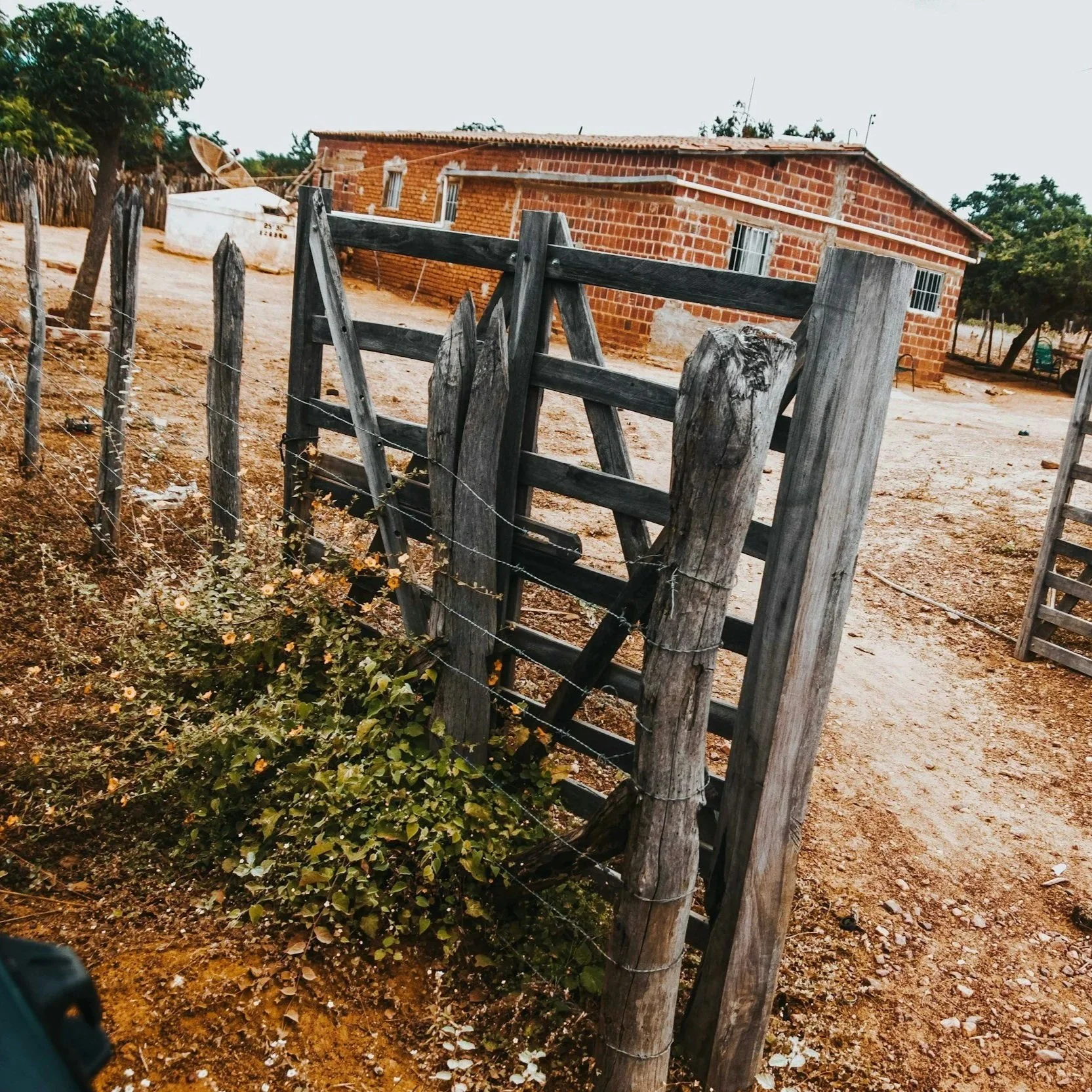
Weathered rural wooden fence illustrating how North Carolina humidity, soil conditions, and weather exposure affect long-term fence durability and lifespan.
If you are weighing fence materials based on the lifespan numbers on a manufacturer’s spec sheet, the climate gap is going to bite you. Manufacturer claims assume lab conditions or dry-climate installations. Cape Fear's humidity does not match either. Cedar that lasts 30 years in dry inland states often lasts 20 to 25 years in NC. Pressure-treated pine that hits 18 years in Arizona usually comes in at 12 to 15 in Fayetteville. Below are the realistic ranges for each common fence material in your climate, what shortens those numbers, and what extends them.
Why Manufacturer Lifespan Numbers Do Not Apply to NC
Manufacturer lifespan claims are marketing numbers. They assume controlled lab tests or installations in mild, dry climates. NC’s combination of high humidity, Sandhills soil that saturates after heavy rain, hurricane exposure, and freeze-thaw cycles ages every fence material faster than the spec sheet predicts.
The gap between manufacturer claims and Cape Fear reality runs roughly 20-30%. A wood fence rated for 20 years usually delivers 14 to 16 years here. A vinyl fence rated for 30 years typically lasts 22 to 28 years. Aluminum and chain link hold their numbers better because metal is less affected by humidity, but even those see hardware-level reductions on the way to a full lifespan.
The realistic ranges below account for the gap. They reflect what fences actually do on your property, not what the box promises.
Pressure-Treated Pine — 10 to 15 Years in Cape Fear Humidity
Pressure-treated pine is the workhorse fence material in NC because it is cheap and widely available. The honest lifespan range for a Cape Fear fence in humid conditions is 10 to 15 years with proper installation and reasonable maintenance.
What shortens it: pine post bases sit in saturated Sandhills soil, where the chemical treatment leaches out from the bottom up. Skipping maintenance (no sealing every 2 to 3 years) drops the realistic lifespan to 8 to 10 years. Heavy storm exposure can take down a 5-year-old pine fence when the installation is shallow.
What extends it: deep posts (36 to 48 inches) in concrete, galvanized hardware, sealing every 2 to 3 years, and avoiding direct ground contact for the lower boards.
The first failure point is almost always the post base, not the wood above ground. Most pine fences come down because your post rotted at the soil line, not because your panels failed.
Cedar — 15 to 25 Years in Cape Fear Humidity
Cedar’s natural oils resist rot, insects, and decay without chemical treatment. The realistic lifespan in NC is 15 to 25 years, with maintained cedar reaching 25 to 30 in some cases.
What shortens it: hardware failures often beat the wood. Standard steel screws and brackets rust through in coastal-influenced humidity, and once the hardware fails, the fence comes apart even though the cedar itself is still sound. UV exposure also accelerates greying and surface checking.
What extends it: galvanized or stainless hardware (your cedar will outlast standard steel fasteners by years), staining or sealing every 3 to 5 years to slow UV and moisture damage, and good drainage at the post base.
The first failure point on cedar is usually the hardware, not the wood. Plenty of cedar fences in the Fort Liberty area date back to the early 2000s and are still standing, though they are running on second-generation hardware because the original screws rusted out a decade ago.
Vinyl — 20 to 30 Years in Cape Fear Humidity
Vinyl outlasts wood by a wide margin in NC because it does not rot, swell, or absorb moisture. The realistic lifespan in Cape Fear humidity is 20 to 30 years.
What shortens it: UV degradation (lower-quality vinyl yellows or becomes brittle after 15 What shortens it: UV degradation (lower-quality vinyl yellows or becomes brittle after 15 years), impact damage (a falling tree limb cracks vinyl where wood would dent), and post foundation failure when the installation used a soil-only setting instead of concrete.
What extends it: high-quality vinyl with UV inhibitors, concrete post footings, and avoiding cheap white vinyl that yellows. Higher-grade vinyl in tan or color-through formulations holds up longer than budget-grade white panels.
The vinyl panel itself rarely fails. When your vinyl fence comes down in NC, the post foundation or storm damage is usually responsible, not the panel material.
Aluminum — 25+ Years in Cape Fear Humidity
Aluminum is the longest-lasting common fence material in NC. Powder-coated aluminum reliably runs 25 to 35 years on your property and often longer. The metal does not rust because aluminum oxide forms a protective surface layer naturally.
What shortens it: physical damage from impacts, post foundation failures (rare), and powder coat damage from severe abrasion.
What extends it: aluminum is essentially maintenance-free. The hardware and fasteners are the only components that need attention, and proper-grade hardware lasts the life of the fence.
For homeowners staying in their homes long-term, aluminum’s lifespan often outlasts their tenure. A fence you install in year 10 of ownership usually still has plenty of life left when the home sells at year 25 or beyond.
Chain Link — 25+ Years When Galvanized Properly
Galvanized chain link is more durable than its cheap reputation suggests. A properly galvanized chain link fence runs 25 years or more in NC humidity. Vinyl-coated chain link adds another layer of protection and can last 30 years or longer.
What shortens it: cheap chain link with thin galvanization rusts within 5 to 10 years. Damaged coatings expose the underlying steel, and rust spreads outward from the damage point.
What extends it: heavier-gauge galvanized wire, proper post-setting in concrete, and avoiding direct ground contact for your bottom rail.
Chain link’s main limitation in NC is appearance, not lifespan. Most HOAs prohibit chain link from street-visible areas, which limits where you can install it. The material itself outlasts most wood fences when properly installed.
Composite — 25 to 35 Years in Cape Fear Humidity
Composite fencing (blends of wood fiber and recycled plastic) is newer to the market but performs well in NC humidity. The realistic lifespan range is 25 to 35 years.
What shortens it: lower-quality composites can fade or chalk over time, especially in direct sun exposure. Some composites become brittle in extreme cold, which is rare in NC but possible during a hard winter.
What extends it: high-quality composite with UV stabilizers, color-through formulations rather than surface-coated, and concrete post footings.
Composite costs more upfront than pressure-treated pine and runs similar to vinyl. The appearance more closely matches wood, while the maintenance profile resembles vinyl. Composite is worth considering when you want the wood look without the wood maintenance schedule.
What Cape Fear Climate Specifically Does to Fences
Three NC climate factors affect every fence material on your property.
Humidity is the first. Average humidity in the Cape Fear region runs around 70% year-round. Higher humidity accelerates wood rot, hardware corrosion, and surface aging across all materials. Even materials that do not absorb moisture age faster when the air around them is saturated with moisture.
Hurricane exposure is the second. Even properties inland from the coast face tropical storm winds and saturated ground during named storms. A fence that handled a decade of calm weather can fail in a single hurricane when the post foundation is undersized. Wind alone is rarely the problem; wind plus saturated soil causes most catastrophic failures.
Temperature swings round out the trio. NC’s freeze-thaw cycles are mild compared to northern states, but the humidity-temperature combination expands and contracts wood, vinyl, and composite materials repeatedly across the seasons. Hardware loosens. Joints work. Small movements over the years add up to a fence that wobbles where it once held your line tight.
The combined effect: every material here ages faster than it would in a dry inland climate. The realistic ranges above account for the gap.
How to Maximize Lifespan Regardless of Material
Three installation choices extend any fence’s life.
Concrete post footings come first. Sandhills soil does not grip posts well, especially after heavy rain. Concrete is non-negotiable for any fence built to last in NC, regardless of material. The cost is a few extra dollars per post and the labor of digging deeper holes.
Galvanized or stainless hardware comes second. Standard steel rusts in Cape Fear humidity. The hardware grade often determines whether your fence fails at year 8 or year 20. The cost difference between standard steel and galvanized hardware on a 200-foot fence is small; the lifespan difference is large.
Proper post depth comes third. Residential minimum is 36 inches; storm-prone areas should set posts at 48 inches. Shallow posts fail first regardless of fence material. Deep posts in concrete are the foundation that lets the rest of the fence reach its rated lifespan.
A fence is a system. The material is one component; the installation is what determines whether the system holds together long enough to deliver the material’s full lifespan.
Frequently Asked Questions
Why do fences not last as long in NC as the manufacturer claims?
Manufacturer lifespan numbers assume controlled or dry-climate conditions. Cape Fear humidity, Sandhills soil, and hurricane exposure each shorten lifespan by some amount. The combined effect is usually 20-30% off the manufacturer’s price. A wood fence rated for 20 years typically delivers 14 to 16 years here.
Is it worth paying more for cedar over pressure-treated pine?
For homeowners staying 10 or more years, usually yes. Cedar’s 15-to-25-year lifespan stretches well past pine’s 10-to-15. Cedar costs roughly twice as much upfront, but rarely needs replacement during the same window in which pine homeowners pay for a second install. Maintenance habits matter, though: neglected cedar drops to the bottom of its range, which can match well-maintained pine.
How often should a fence be inspected for lifespan issues?
A walk-around inspection once a year catches most early issues. After major storms, walk your fence within a week to check for shifted posts and damaged sections. A formal contractor inspection every 5 to 7 years is enough for fences past year 10, when material aging starts to show.
Does fence color affect how long it lasts?
For most materials, only marginally. Darker colors absorb more heat, which can accelerate the fading of vinyl and composite materials. UV exposure affects all colors, but darker shades show fading less obviously. The bigger lifespan factors are material grade and install quality, not color choice.
Can a damaged section reduce the lifespan of the whole fence?
Sometimes, when the damage exposes underlying components to moisture or compromises post integrity. A broken board does not affect the lifespan beyond that section. A shifted post or rotted bottom rail along part of the run can spread the failure pattern to adjacent sections over time. Repair damaged sections on your fence quickly to contain the spread.
What is the longest-lasting fence material for Cape Fear country?
Aluminum, by a wide margin. Powder-coated aluminum reliably runs 25 to 35 years with almost no maintenance. The combination of corrosion resistance, low maintenance, and storm tolerance makes aluminum the longevity winner if you plan to stay in your property long-term.
Fence lifespan in NC is realistic, not idealized. Manufacturer claims set the ceiling; Cape Fear humidity sets the floor. The ranges above tell you what each material actually delivers in your climate, with installation quality determining whether the fence falls at the top or bottom of its range. Pick the material that fits your timeline, then pay for the install that matches it.
Want a fence built to last in Cape Fear’s humidity? AR Fence sets posts deep in concrete, uses galvanized hardware on every install, and stands behind the work with a 12-month warranty. Free estimates in Fayetteville and Hope Mills. Call (910) 994-3634 to schedule.
