
Match Point Security: Tennis Court Fencing That’s Built to Last
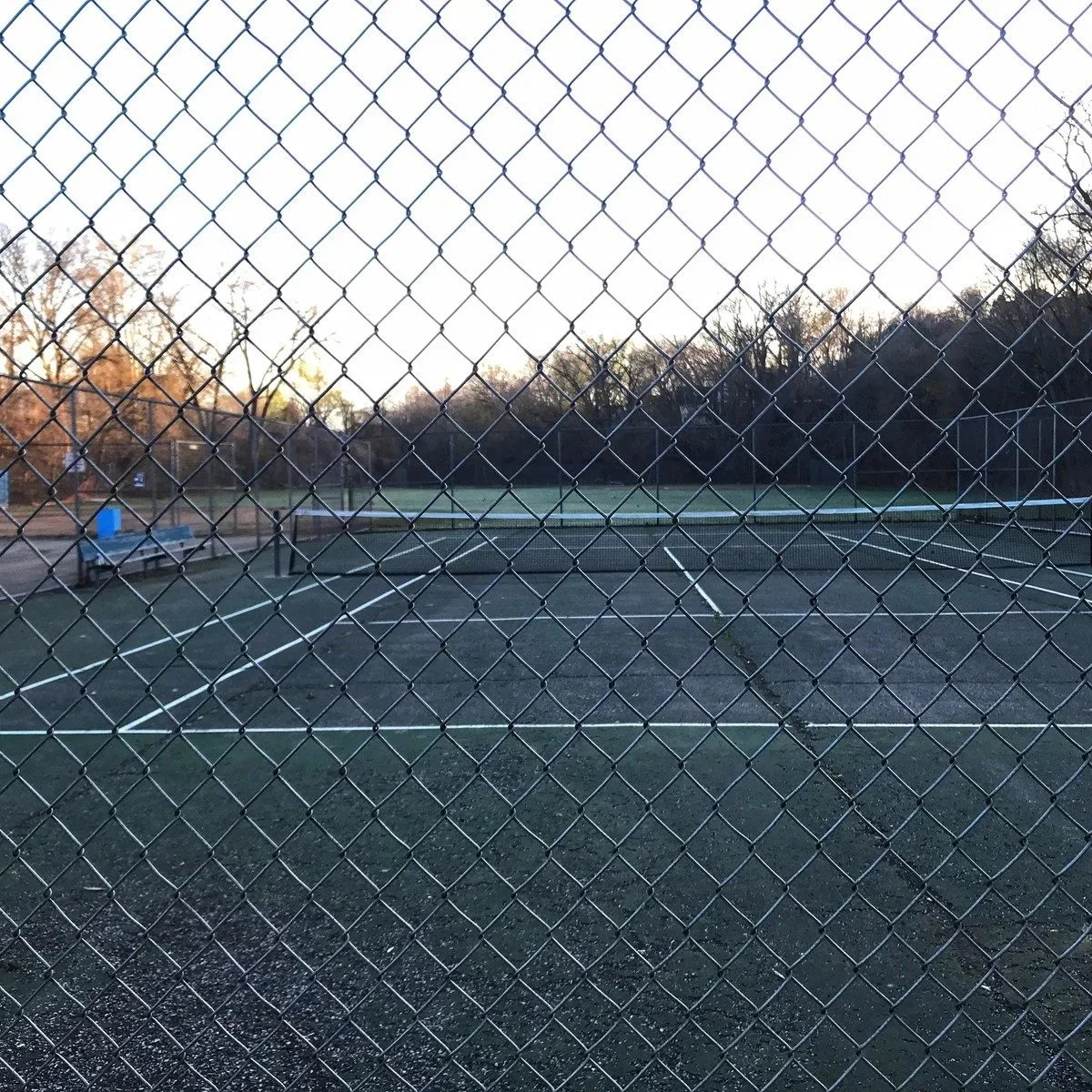
Whether it’s a community park, a private residence, or a professional club, high-quality fencing defines the boundaries, protects spectators, and completes the polished look of a well-maintained court.
Every tennis court in Hope Mills, NC, deserves fencing that performs as well as the players who use it. A professional Tennis Court Fence Installation provides structure, safety, and style, creating a playing environment where athletes can focus on their game without distraction. Whether it’s a community park, a private residence, or a professional club, high-quality fencing defines the boundaries, protects spectators, and completes the polished look of a well-maintained court.
Understanding The Role Of Tennis Court Fencing
Tennis court fencing does much more than outline the perimeter. It keeps the game in motion by containing fast-moving balls, protecting nearby property, and keeping players safe. A well-installed fence separates play areas from walkways and spectators, creating a clear and organized space for everyone to enjoy. Professional installers approach each project with a focus on layout, visibility, and long-term performance to deliver a fence that stands strong against years of play and weather.
The ideal tennis fence complements the court’s surface and surroundings while remaining unobtrusive to players. It must allow for proper airflow and visibility, prevent glare or reflection, and resist wear from repeated ball impact. The right design keeps the space professional, functional, and attractive throughout the seasons.
Choosing The Right Materials For Performance
The materials used in Tennis Court Fence Installation make a major difference in durability and aesthetics. Chain link fencing remains the most popular option because it offers excellent visibility, airflow, and impact resistance. Its open design lets players track the ball easily while maintaining a clean, minimalist look. Vinyl-coated chain link adds a layer of corrosion protection and blends beautifully with green, black, or custom-colored finishes that complement court surfaces.
For high-end or coastal environments, aluminum and galvanized steel offer strength with added resistance to rust and fading. Powder-coated finishes extend the lifespan of metal fencing and preserve its sleek appearance. Professionals select materials that match environmental conditions, maintenance preferences, and the desired visual appeal. A well-built fence not only contains the game but also enhances the elegance of the entire property.
Height, Layout, And Functionality
A tennis fence must strike the perfect balance between height and openness. Standard courts
typically feature fences between 10 and 12 feet tall to contain even the most powerful serves. Some private or recreational courts use varying heights, with taller fencing behind the baselines and shorter fencing along the sidelines to improve accessibility and visibility.
Professionals design layouts that consider wind direction, lighting placement, and access points. They incorporate gates for maintenance crews and players while maintaining the integrity of the fence line. Strategic design reduces dead zones where balls or debris could accumulate, keeping the court tidy and safe.
Safety And Player Comfort
Safety comes first in any sports facility, and fencing plays a crucial role in protecting players and spectators. Properly tensioned fencing prevents sagging, which can catch or deflect balls unpredictably. Smooth, capped posts eliminate sharp edges that could cause injury during fast-paced play. Padding on corner posts and gate edges adds another layer of protection in high-traffic zones.
In public courts or school facilities, fencing also helps control access after hours. Professionals integrate lockable gates or access control systems that allow secure entry only when authorized. The result is a space that supports both safety and flexibility without sacrificing aesthetics.
Aesthetic Appeal And Court Integration
Tennis court fencing contributes significantly to a property's visual character. Clean lines, consistent color schemes, and well-aligned posts give the court a refined, professional look. Dark-colored vinyl coatings reduce visual distraction by blending into the background, allowing players to focus on the ball.
Professionals can customize fence colors to match club branding, surrounding architecture, or landscape design. Decorative post caps, coordinated gates, and branded windscreen panels enhance presentation while maintaining practical benefits like wind control and privacy. Every design choice supports both performance and curb appeal, creating a setting that looks as good as it plays.
Weather Resistance And Longevity
Outdoor tennis courts are constantly exposed to sunlight, wind, and rain. Professional Tennis court fence installation involves materials and coatings designed to resist rust, fading, and warping. Galvanized steel and vinyl-coated fencing hold up against corrosion, while UV-resistant finishes prevent color loss over time.
In coastal areas, salt-resistant materials protect against corrosion caused by sea air. In regions with heavy snow or strong winds, professionals anchor posts deeply and reinforce tension wires to handle added pressure. Proper drainage design prevents standing water at the fence base, extending the fence's lifespan and reducing maintenance needs.
Noise Reduction And Privacy Options
Some courts are located near residential areas where noise control becomes a priority. Windscreens or acoustic mesh panels along fencing help reduce sound levels from play, keeping the environment more comfortable for neighbors. These screens also minimize wind interference and increase privacy, allowing players to concentrate without distraction.
Professionals tailor noise-reduction solutions to the site’s layout, local ordinances, and aesthetic goals. Privacy fencing can be partial or full coverage, depending on visibility needs and the surrounding scenery. The right balance maintains openness while creating a calm, controlled atmosphere for both players and spectators.
Accessibility And Flow Management
A successful tennis court layout depends on easy and logical movement. Professional installers position gates for player convenience while maintaining security and flow. Walkways leading to gates are designed to prevent bottlenecks and reduce wear on surrounding landscaping.
Maintenance gates provide access for equipment without interfering with play. Larger facilities may feature separate gates for different courts, allowing flexible scheduling for matches or lessons. Careful planning keeps players, coaches, and staff moving efficiently while preserving the space's beauty and functionality.
Maintenance And Upkeep For Long-Term Value
Even a professionally installed fence benefits from occasional attention. Regular inspections catch issues such as loose fittings, sagging sections, and minor corrosion before they become bigger problems. Cleaning the surface with mild soap and water removes dirt and prevents buildup that could wear down coatings.
Professionals often offer maintenance plans that include inspection, retightening, repainting, and replacement of worn hardware. Keeping the fence in top condition not only extends its lifespan but also keeps the facility looking sharp. A well-maintained fence reflects pride in the property and attention to detail that visitors and players appreciate.
Lighting And Technology Integration
Tennis doesn’t stop when the sun sets. Lighting integration along fencing brings night play to life safely and beautifully. LED fixtures attached to posts provide even illumination without casting harsh shadows. Professionals coordinate placement to prevent glare on players or interference with the ball’s visibility.
Technology can also enhance security and convenience. Access control systems, motion sensors, and surveillance cameras integrate seamlessly into fence designs. These features protect equipment, regulate access, and offer peace of mind for property owners and facility managers.
Compliance With Regulations And Standards
Local codes and athletic association guidelines often dictate specific requirements for court fencing. Height, setback distance, and materials must comply with safety and zoning standards. Professional fencing contractors navigate these regulations, securing permits and completing installations that meet both legal and performance expectations.
They also design fencing that meets ADA accessibility requirements, ensuring appropriate gate widths and smooth entry points for all users. Compliance builds trust with local authorities and demonstrates commitment to professionalism in facility management.
Custom Solutions For Different Settings
Every tennis court is unique, and fencing should reflect that individuality. Private courts might focus on elegance and privacy, while public parks prioritize durability and safety. School and club facilities often emphasize uniformity and cost-effective maintenance.
Professionals create tailored designs that fit each property’s function and personality. They evaluate wind exposure, landscape features, and neighboring structures to craft fencing that enhances both the game and the setting. With the right plan, even a modest court can look and feel world-class.
Sustainable And Eco-Friendly Options
Modern tennis facilities often adopt sustainable building practices. Fencing materials made from recycled steel or aluminum reduce environmental impact while maintaining strength and style. Low-VOC coatings protect air quality during installation, and solar-powered lighting adds energy efficiency.
Professionals committed to green building approaches can source local materials and design systems that minimize waste. A sustainable Tennis Court Fence Installation not only benefits the environment but also signals forward-thinking values to players and visitors.
Local Expertise And Professional Precision
Working with a local fencing specialist brings insight that goes beyond construction. Regional professionals understand soil conditions, climate influences, and municipal requirements. They also know how to schedule installation to avoid seasonal challenges such as heavy rain or high heat.
Local contractors build relationships with nearby suppliers and inspectors, streamlining every step from material delivery to final approval. They create fencing that performs flawlessly in local conditions while supporting community development and long-term customer relationships.
The Professional Advantage
A professional Tennis Court Fence Installation combines craftsmanship, materials science, and strategic design into one seamless project. Experienced installers use precise tensioning, accurate alignment, and careful anchoring to produce a fence that looks flawless and functions perfectly.
Contractors coordinate with lighting experts, landscapers, and designers to integrate every detail smoothly. They communicate clearly, maintain timelines, and deliver work that meets structural and aesthetic goals. When experts handle the job, the result is a tennis court that feels inviting, looks exceptional, and stays game-ready for years.
From the quiet morning matches to the final point under the lights, a well-built fence keeps the rhythm of the game contained and the players confident. Professional Tennis court fence installation strikes a balance between beauty, performance, and durability that withstands every serve, volley, and victory.
Count on AR Fence for commercial fence installation, security fences, industrial and warehouse fences, and sports and school fences in Fayetteville, Hope Mills, and the surrounding communities. We design and build fences for business owners that perfectly match their needs and budget. Book a service today and enjoy professional results.