
Seasonal Fence Smarts in Your City: Why Timing Changes Everything
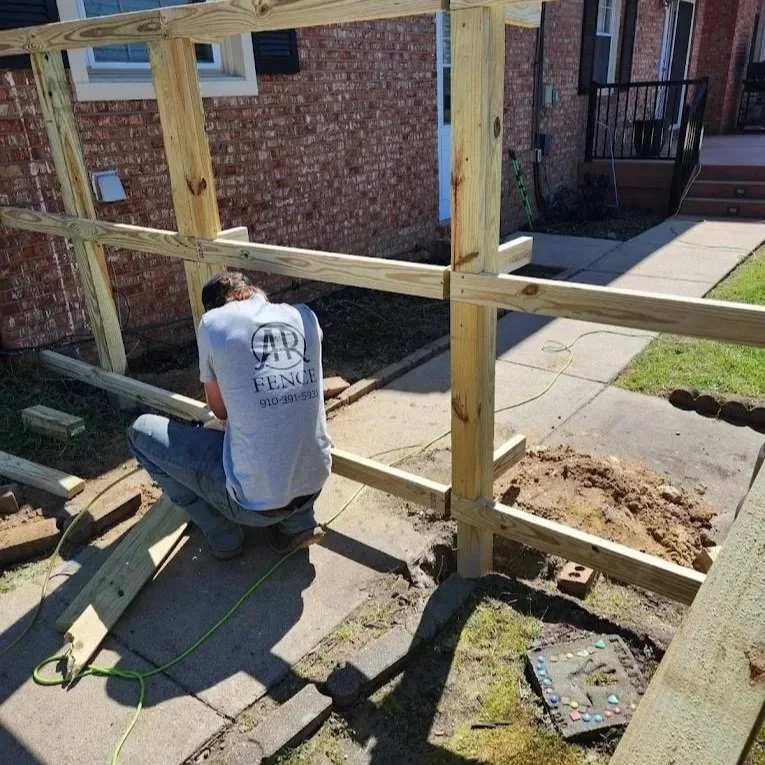
Pros plan around weather cycles, soil movement, and material behavior so every part of the fence begins its lifespan under the best possible conditions.
Fence installation services play a bigger role in seasonal planning than most homeowners expect. The timing of your project affects material performance, long-term stability, and even the smoothness of the installation process. Many people wait until something breaks or until curiosity strikes, then pick a date without considering how the weather might affect the final result. Professionals know how temperatures, soil conditions, and moisture levels shift throughout the year, and they use those seasonal patterns to guide the installation approach. A well-timed project supports a fence that stands straighter, lasts longer, and handles the quirks of your local climate with confidence.
Homeowners often treat fences like background extras in their yard until the day they need a new one. Seasonal timing creates advantages that go far beyond convenience. Ground firmness, material flexibility, and installation efficiency all change throughout the year. A fence installed at the right moment gains strength from the environment rather than fighting it. Pros plan around weather cycles, soil movement, and material behavior so every part of the fence begins its lifespan under the best possible conditions. Due to the importance of timing, even a few weeks can make a noticeable difference in performance.
Why Seasonal Timing Matters More Than Most Homeowners Think
Seasonal timing influences a fence from the moment the first post hole is dug. Temperature shifts change how wood expands and contracts, how vinyl responds to stress, and how metal fasteners react to long-term exposure. Moisture levels also play a major role, especially in regions that experience heavy rainfall, rapid drying, or wide temperature swings. Fence installation services focus heavily on these seasonal patterns because they help determine the best techniques for each project.
Soil behavior has a major impact on post stability. Many homeowners do not realize how dramatically ground conditions shift across the seasons. Wet soil becomes loose. Dry soil becomes compact. Cold soil freezes solid. Those changes determine how easily professionals can dig, set posts, and secure the base of the fence. When the ground changes shape later in the year, fences installed without seasonal insight may lean, shift, or wear prematurely. Pros account for these gradual movement patterns and use deeper or differently shaped post footings when the season calls for it.
Material performance also depends on timing. Wood absorbs moisture, loses moisture, and occasionally behaves like a moody houseplant during seasonal transitions. Metal responds to expansion and contraction, which requires careful spacing. Vinyl reacts to heat by becoming more flexible, then stiffens when temperatures drop. Installing during a season that aligns with natural material behavior reduces strain, increases accuracy, and protects the fence from early structural issues.
Seasonal Advantages For Winter Installation
Winter is sometimes labeled the wrong time for fence installation, but professional crews know how to work effectively in colder months. Many of winter’s challenges are predictable and can be managed with the right tools and adjustments. Winter also offers unique benefits that surprise many homeowners who assume nothing can be done once the temperature drops.
Dormant landscaping leaves installers with wide open access to the yard. Plants stay untouched, and crews can navigate without risking damage to flowers or shrubs. Winter scheduling often moves faster because demand decreases. Homeowners who want a quick turnaround often find winter to be an efficient and less stressful time to begin a project.
Cold weather supports longer-lasting fences when handled correctly. Soil tends to remain compact, creating predictable stability for post placement. Wood dries more slowly and evenly in cooler air. Pros add special additives to concrete mixes for winter curing, allowing posts to anchor solidly even during cold spells. By taking advantage of these steady conditions, winter installations often settle cleanly once spring arrives.
Advantages Of Spring Fence Installation
Spring sparks energy in homeowners who have spent months staring out the window, waiting for warmer days. Fence installation services are in high demand as the weather finally supports outdoor projects. Spring offers freshly thawed soil, moderate temperatures, and balanced moisture levels, creating some of the best conditions for digging and post setting.
Ground softness helps installers dig efficiently while still giving posts the density needed for a strong hold. Spring also brings comfortable working conditions, which help projects move at a steady pace. Materials behave well, too. Wood absorbs moisture evenly, vinyl stays flexible, and metal remains stable. Professionals take full advantage of those mild conditions to create clean, precise installations that prepare homeowners for a summer of outdoor enjoyment.
Another major benefit of spring installation is timing for backyard use. Homeowners often want privacy and wind control before outdoor gatherings begin. Installing a fence during spring helps frame garden beds, shield patios, and build a peaceful outdoor living area long before the busy, hot season arrives.
Why Summer Creates High Demand And Extra Considerations
Summer brings long days, outdoor fun, and a sudden wave of homeowners who remember they want a fence. Fence installation services experience peak demand during this season. Longer daylight hours support extended installation windows, enabling crews to work more efficiently. The warm weather also encourages homeowners to invest in privacy, safety, and backyard upgrades.
Heat influences materials more dramatically than most people realize. Wood can dry too quickly under intense sun, so professionals take steps to prevent cracks or gaps during installation. Vinyl becomes flexible, which requires careful handling to maintain alignment. Metal sometimes expands, which changes fastener behavior during extremely hot periods. Skilled installers understand these seasonal effects and adjust spacing, acclimation time, and fastening patterns accordingly.
Demand becomes the biggest challenge during the summer. Many homeowners rush to schedule projects at the last minute, only to discover longer wait times. Planning helps avoid delays, especially if the project involves custom designs or decorative upgrades.
Why Fall Often Delivers Ideal Fence Installation Conditions
Fall quietly takes the crown as one of the best times to begin a fence project. The weather cools, humidity drops, and the soil retains a perfect digging texture without becoming too wet or too dry. Many professionals recommend fall as a top-tier installation season due to its predictable conditions.
Material performance remains stable throughout the fall. Wood adjusts gradually, vinyl stays consistent, and metal reacts minimally. A fence installed during these steady months begins its lifespan under gentle, forgiving weather patterns. Homeowners also appreciate having a finished fence before winter storms, fallen leaves, and holiday visitors arrive.
Fall offers gentle working conditions for installers and calm outdoor spaces for homeowners. Fewer distractions and fewer scheduling conflicts create a smooth experience from start to finish. Many homeowners choose fall installation to prepare their yard for the upcoming colder months while still enjoying mild temperatures during the project.
Common Misconceptions About Seasonal Fence Installation
Homeowners often have misconceptions about the best time to install a fence, and many of these myths can be debunked with the experience of professionals. One of the most common beliefs is that fences should only be installed during the summer. While summer is certainly a popular time, it's not always the most practical. Spring and fall often offer better soil conditions and more stable material behavior, making these seasons ideal for certain types of installations.
Another myth that circulates is that winter installations result in weaker fences. This couldn’t be further from the truth. Professional installers are well-prepared to handle frozen ground by using specialized digging techniques, adjusting concrete formulas, and sometimes anchoring posts deeper to ensure stability. When done correctly, winter fences can be just as strong and durable as those installed during warmer months.
A third common misconception is that spring rain creates disastrous conditions for fence installation. While rain can certainly complicate things, experienced installers know how to work around damp soil. They use advanced post-setting methods that provide proper drainage and support, ensuring the fence remains stable even when the ground is wet. With the right techniques, spring rain doesn’t need to be a dealbreaker.
How Professionals Adjust Techniques For Every Season
Professional fence installers adapt their techniques to each season, ensuring that materials and construction methods match changing environmental conditions. Winter installations require special materials and modified concrete formulas to withstand cold temperatures and prevent frost damage. Installers often dig deeper or use braces to ensure posts stay stable during thaw cycles.
In spring, moisture control becomes a priority. Installers carefully assess soil saturation and select materials that can handle fluctuating humidity. Proper ground drainage is key to preventing shifting as the ground thaws and absorbs moisture.
Summer installations begin early to avoid the heat of the day. Wood is acclimated to prevent warping, and vinyl is installed with precise spacing to account for temperature shifts. In fall, preparations are made for colder months by reinforcing weaker soil areas and stabilizing posts, ensuring the fence remains durable and functional as temperatures drop.
How Seasonal Timing Impacts Project Costs
Seasonal timing influences not only fence durability but also project cost. High-demand seasons often come with longer booking times and fewer available appointment windows. Spring and summer are typically the busiest seasons for fence installation services.
Homeowners seeking more scheduling flexibility often choose fall or winter. These seasons usually come with faster turnaround and potentially more cost-friendly options, depending on local demand. Planning helps secure the preferred installation time and avoid seasonal price shifts.
Urgent Answers About Fence Installation Timing
How far in advance should a homeowner schedule an installation?
Professionals recommend booking several weeks in advance during popular seasons to ensure the project can begin without long delays.
Can a fence be installed in cold weather?
Yes. Crews adjust their methods and use winter-friendly materials to complete projects safely and effectively.
Which season offers the quickest installation timeline?
Winter often allows the fastest scheduling because fewer homeowners start outdoor projects during colder months.
Is spring rain a problem for new fences?
Spring rain rarely causes issues when professionals handle the installation. Crews monitor soil conditions and adjust the process as needed.
What season offers the most stable soil conditions for post setting?
Fall often provides ideal soil density, balanced moisture, and steady temperatures, making it one of the best seasons for strong fence foundations.
AR Fence is a professional fence installation expert offering wood fences, vinyl fences, cedar fences, and chain link fences services. We have over a decade’s experience serving Fayetteville, Hope Mills, and surrounding communities in North Carolina. As a top-rated local business, we offer competitive pricing and exceptional craftsmanship. Call now to book a free on-site consultation.