
Selling Your Fayetteville Home? 3 Fence Fixes Worth Doing First
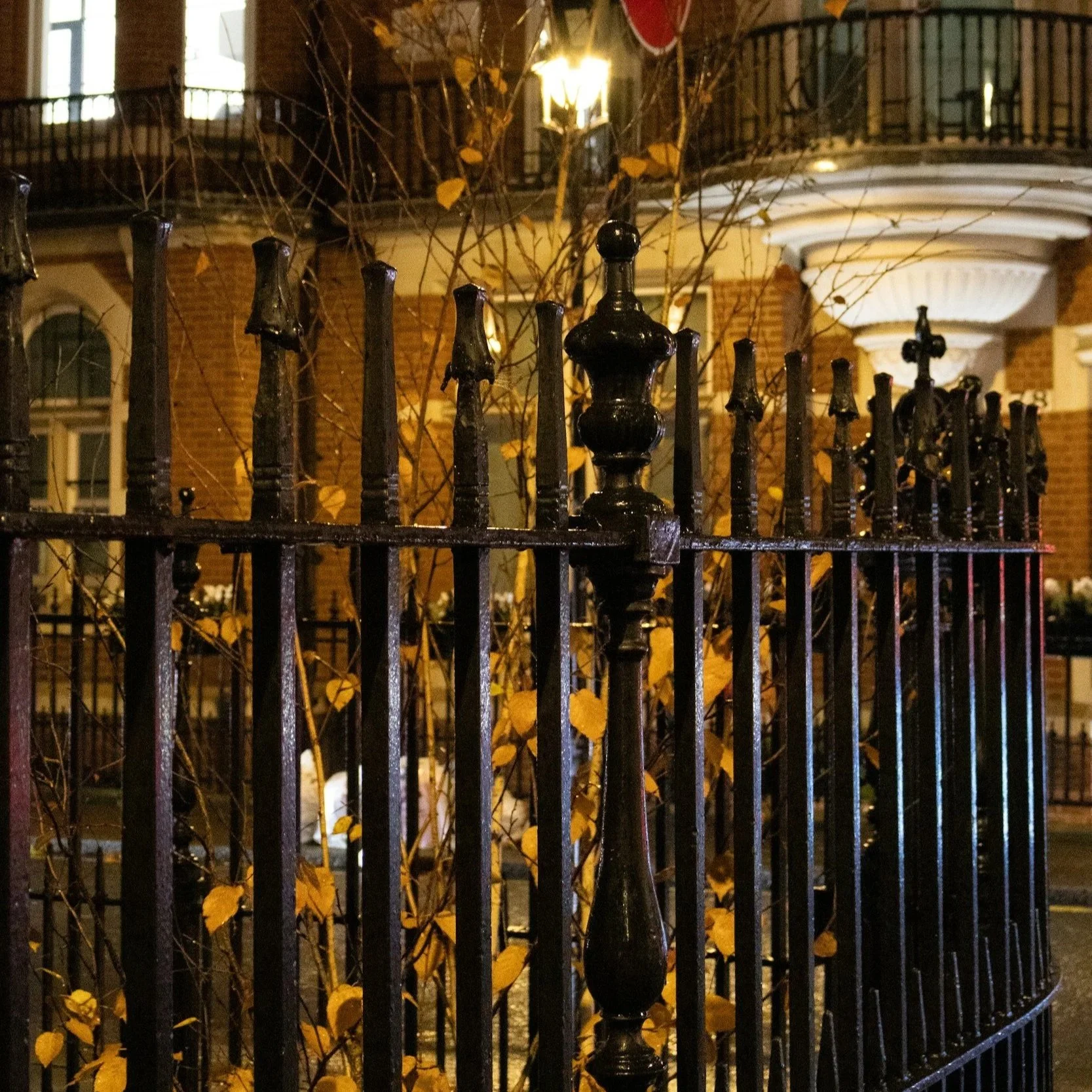
Decorative black metal fence outside residential property highlighting valuable pre-sale fence repairs that improve curb appeal and buyer confidence.
If you are listing your Fayetteville home and noticing fence issues, the instinct is to fix everything before showing the property. That instinct is mostly wrong. Most fence problems do not justify a pre-sale fix because buyers do not pay full repair value on a home they are already buying. The exceptions are specific: items that trigger inspection objections, visible curb-appeal damage, and property-line issues that block closing. Spend on those three. Leave the rest for the buyer to inherit.
Most Fence Problems Are Not Worth Fixing Before Sale
Most home-prep advice says fix everything before listing. That advice is wrong for fences. Buyers expect to inherit some fence wear. A 10-year-old wood fence is supposed to look 10 years old, and replacing it before sale rarely returns the investment because buyers do not pay full replacement cost for a new fence on a property they are already buying.
The exceptions are limited to specific problems that block sale, trigger lender objections, or generate buyer credit demands at closing. The three fixes below are the ones worth doing. Most other fence problems are not worth your time or money before listing.
Fix 1 — Anything That Triggers an Inspection Report Issue
Home inspectors flag specific fence problems on their reports. Buyers and lenders see those reports. Items flagged on reports become negotiation points or financing barriers, and that is where the cost shows up.
The flagged items that hurt the sale most:
Posts pulled out of the ground or visibly leaning beyond plumb (reads as structural failure)
Bottom rails and ground-contact boards rotted through (reads as advanced deterioration)
Gates that do not latch or close properly (reads as functional failure)
Pool fences that fail code requirements (reads as a safety and code issue, often block closing)
Damaged fence posts leaning toward neighboring property (reads as a property line dispute waiting to happen)
Fixing these items before listing prevents the inspection report from generating buyer objections. The cost is usually $300 to $1,500 for targeted repairs on a residential fence. The return is preventing a $2,000 to $10,000 buyer credit demand or a delayed closing on your property.
The math works because the fix prevents a downstream cost, not because it increases the sale price directly.
Fix 2 — Visible-from-Curb Damage on the Front-Yard Fence
Front-yard fences and visible side-yard fences affect curb appeal. Buyers form their first impression in your driveway. A rotted picket, missing slats, or storm-damaged section in the front yard reduces showings, lowers offers, and lengthens days on market for your listing.
Specific issues worth fixing for curb appeal:
Missing or broken pickets in the front yard
Visible storm damage on the street-facing fence
Significant color mismatching from partial repairs done over the years
Gate hardware visibly hanging or sagging on the entry-side gate
These fixes are usually $200 to $800 for targeted work. Curb appeal improvements rarely return their cost dollar-for-dollar, but they do increase the number of offers and reduce the days on market, and both of those matter more to many sellers than the sale price.
The principle: buyers are forgiving about what they cannot see and unforgiving about what they can. Spend money on the visible front-yard fence; do not spend money on the back fence that needs work but cannot be seen from the street.
Fix 3 — Anything That Affects the Property Line or Neighbor Disputes
Property line and neighbor issues are the most expensive fence problems to leave for closing. If your fence sits on the wrong side of the property line, encroaches on a neighbor’s land, or has been at the center of a documented dispute, those issues surface during closing and can delay or kill the sale.
Common property-line issues worth resolving before listing:
A fence built on or across the property line where the survey shows it should be set back
A fence that the neighbor has formally complained about or filed a claim against
A shared fence in disrepair, where neighbor responsibility is unclear
A fence built without HOA approval, for which the buyer will inherit responsibility
Fixing these requires more than fence work. You need a current property survey, sometimes documentation from your HOA, and sometimes a written agreement with the neighbor. Costs run from $500 (survey only) to $3,000 or more (relocate fence, reach an agreement, document everything).
This is the most expensive of the three fixes and the most important. Property-line issues do not negotiate; they block. Resolve them before listing or accept that your sale will be more difficult than it needs to be.
Fixes That Are Usually Not Worth the Money
The three fixes above are the ones that pay back. The list below is the longer list of fixes that usually do not.
Full fence replacement. A new fence the buyer did not ask for rarely returns more than 30-50% of its cost in the sale price. Replace your fence only when the existing fence fails the inspection report. Otherwise, leave it.
Aesthetic upgrades. Re-staining a fence, painting it a different color, or replacing functional but dated fence styles rarely changes buyer behavior. Buyers focus on structural condition and major systems, not on whether your wood stain is the current trend.
Backyard cosmetic repairs that buyers cannot see at showings. If the fence is hidden by landscaping or behind the house, cosmetic fixes are invisible to buyers and do not affect your sale. Save those repairs for the next owner if they want them.
The principle: spend money on what blocks the sale or generates buyer objections. Do not spend money on what makes the seller feel better about the fence the buyer is about to own.
When Full Replacement Actually Makes Sense
Three specific scenarios where pre-sale replacement does pay off.
The fence is failing in ways that will trigger inspection objections. Multiple post failures, widespread rot, or pool fence non-compliance can be so expensive that a full replacement is cheaper than negotiating buyer credits at closing.
Your home is in a high-end market segment. On luxury properties, buyers expect everything to be in turn-key condition. A failing fence that would be tolerated on a $250,000 home looks unacceptable on a $750,000 home, and your sale price reflects that expectation.
The fence is the property’s most visible feature. Some properties have fences that effectively define the curb appeal, like a long front-yard wood fence on a corner lot. When the fence is the property’s face, replacement may be worth doing.
For most Fayetteville and Hope Mills homes, replacement is not the right move. Targeted repair is usually the answer, and the savings versus replacement go straight to your bottom line at closing.
How Pre-Sale Fence Inspections Work
A pre-sale fence inspection takes 20 to 30 minutes and identifies which fixes will pay back and which will not. The contractor walks your fence with you, documents specific problems, and provides a written, prioritized list. You can then decide which items to fix before listing and which to leave for buyer negotiation.
A good pre-sale inspection separates “fix this now” from “let the buyer handle it.” The contractor should be willing to recommend leaving items alone, not just sell more work. The Fayetteville Fence Company LLC prepares pre-sale inspections that explicitly list items not worth fixing. That recommendation is part of the inspection report, not a separate add-on.
Frequently Asked Questions
The Fayetteville Fence Company LLC offers pre-sale fence inspections free as part of standard estimates. Other contractors typically charge $50 to $150 for an inspection-only visit when no installation work is involved. The free inspection assumes that some recommended work will follow, but the recommendations should still include items that are not worth doing.
Not always, but often when inspection reports flag fence issues. Buyers in competitive markets may overlook fence problems to win the bid. Buyers in slower markets are more likely to use any flagged item as a negotiating point. The safe assumption: anything on the inspection report can become a credit demand at closing.
NC has specific seller disclosure requirements that may apply to fence problems, especially structural defects, code violations, or property-line disputes. Consult your real estate agent or a real estate attorney about your specific disclosure obligations. The general rule: disclosed problems are negotiated; undisclosed problems can become legal claims after closing.
Targeted repairs (one to three panels, post resets, gate hardware) usually take a half-day to a full day on site. Property-line resolution, including a survey and neighbor coordination, can take 2 to 6 weeks, depending on complexity. Plan accordingly so fence work does not delay your listing.
Yes, in specific situations. Pool fences that fail code can delay closing until brought into compliance, as lenders and insurance carriers require code-compliant pool barriers. Property-line disputes can delay closing until they are resolved. Cosmetic fence damage rarely blocks closing on its own.
Leaning posts that move when pushed, rotted bottom rails or boards, gates that do not latch or close, code-non-compliant pool fencing, and property-line ambiguity are the items inspectors flag most often in the Cape Fear region. Walking your fence with this list in hand previews what the inspection report will say.
The instinct to fix everything before listing comes from a good place, but rarely pays back on a fence. Buyers expect age-appropriate wear, the inspection report flags the items that actually matter, and most cosmetic improvements do not change buyer behavior. Fix the three things that block sales or trigger objections. Leave the rest. The fence belongs to the buyer the day after closing anyway.
Selling your Fayetteville or Hope Mills home? The Fayetteville Fence Company LLC provides free pre-sale fence inspections with prioritized repair recommendations — including which fixes are not worth doing. Call (910) 994-3634 to schedule.
