
The Seasonal Secret to Strong Fences: Why Timing Your Installation Matters
A great fence is more than a boundary line. It is a balance of structure, soil, and weather working together in perfect timing. Professional fence installation services know that even the strongest materials can fail if installed under the wrong seasonal conditions. The ground, after all, has its own calendar, and ignoring it can mean the difference between a fence that stands tall for decades and one that leans before its first anniversary.
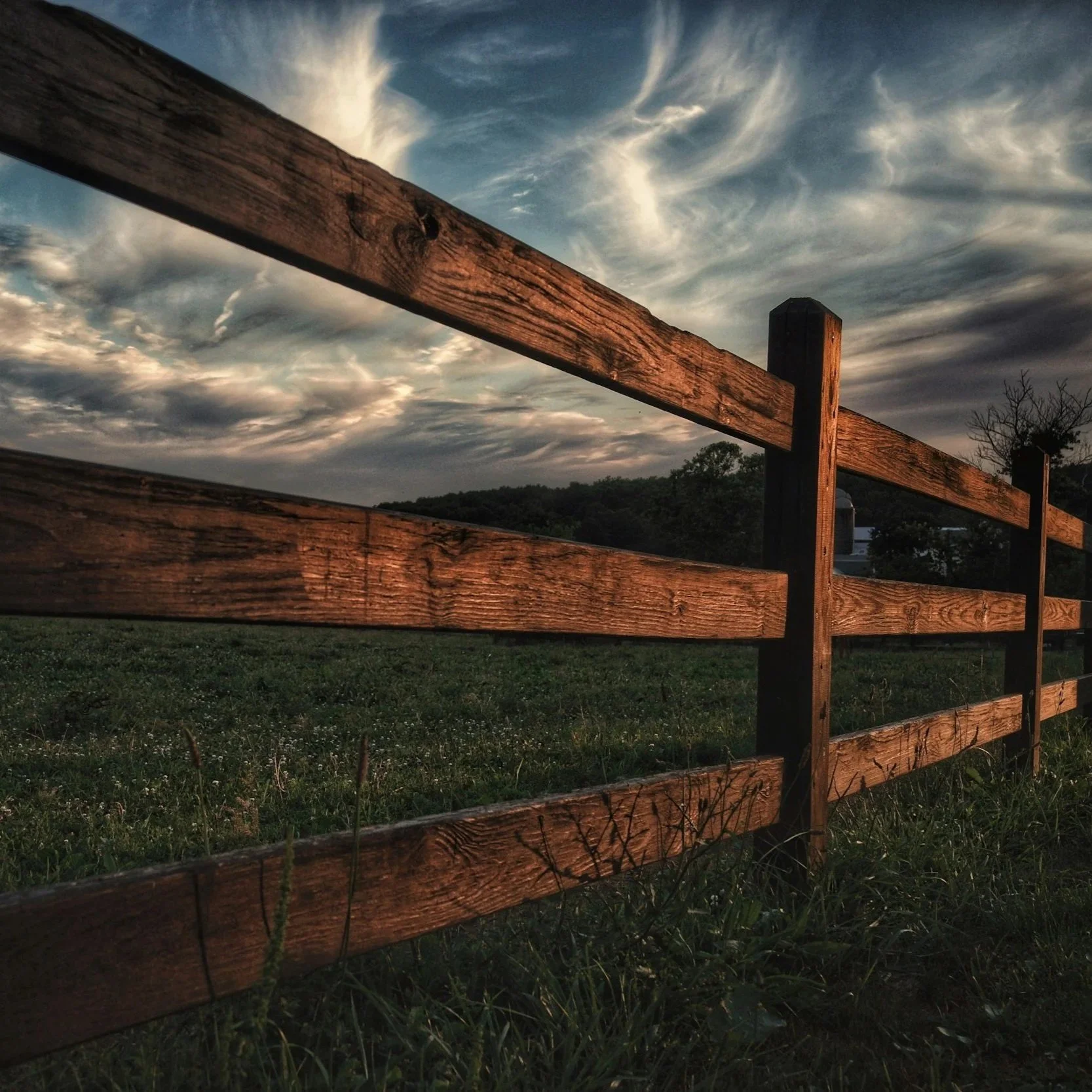
Wooden fence stretching across open field under changing sky, illustrating importance of proper seasonal timing for strong, long-lasting fence installation performance.
The Ground’s Mood Swings Through the Year
Every season changes the ground’s behavior. In the same way people react to weather shifts, soil expands, contracts, softens, or freezes. Those changes determine how fence posts settle and how stable they remain over time.
During wet months, the soil swells with moisture, making installation tricky. Posts may shift as the ground dries, resulting in gaps or tilting. Dry, compacted soil in hot months, on the other hand, can make digging more difficult and cause cracking around post holes. Winter freezes bring their own challenges, as frozen ground resists excavation and expanding frost can push posts upward.
Professionals understand how each season influences installation techniques. They adapt their approach, adjusting post depth, material preparation, and curing time to suit the weather conditions. Proper timing prevents structural stress and gives the fence a stable foundation that lasts.
Spring: The Season of Rebirth and Rush Jobs
Spring is the perfect time to install a new fence. The ground thaws, homeowners dream of fresh landscaping, and the air smells like new beginnings. However, the rush of spring installations often comes with one major challenge: moisture.
As the soil warms and snowmelt combines with rain, the ground can become overly saturated. That moisture affects how well concrete cures and how posts settle. A professional installer tests the ground before digging, confirming that it can support the posts without excessive shifting.
Despite the extra moisture, spring also offers benefits. Mild temperatures in Hope Mills, NC, make it easier to work with certain materials, and grass has time to recover after installation. For properties that need new fencing before summer activities, spring installation provides a timely balance between preparation and performance.
Summer: The Season of Strength and Speed
Summer brings dry soil and long workdays, making it ideal for scheduling fence installation services. With stable weather and fewer delays, professionals can complete projects efficiently while allowing concrete and sealants to cure properly.
However, extreme heat can pose challenges to both materials and workers. Wooden posts dry out faster, and metal fences expand slightly under intense sun. Professionals account for those changes by adjusting spacing and using sealants designed for higher temperatures. They also plan early morning or late afternoon installations to avoid the harshest heat, protecting both the fence and the crew.
Another summer advantage is soil firmness. The drier ground holds posts securely once they are set. Professionals often recommend summer installations for heavy-duty fences, such as privacy or security barriers that require a strong footing.
Fall: The Goldilocks Season of Fence Installation
Ask any experienced fence installer, and they will likely name fall as the perfect time for new fencing. The weather cools, soil stabilizes, and the rush of summer construction fades. Fall soil contains enough moisture for easy digging but not enough to cause slippage.
Professionals also favor fall installations because materials perform predictably. Wood absorbs sealant evenly, and metal coatings bond well, even in humid conditions. Fence posts set in autumn have several months to settle before the temperature drops, giving the foundation time to stabilize.
Another overlooked benefit of fall fence installation is the recovery of your landscape. Grass and plants begin to slow their growth, reducing damage during construction. When spring returns, the yard already has a strong, finished fence in place.
Winter: The Underdog Season That Demands Skill
Many people assume fence installation cannot happen in winter, but professional installers know better. While frozen ground and unpredictable weather make conditions tougher, it can still be an excellent time for certain projects.
Cold-season installation requires specialized equipment to break through frost and insulation techniques to protect curing materials. Professionals working in winter use additives that allow concrete to set properly at lower temperatures. They also adjust post depth to compensate for frost heave, a natural expansion of the ground during freezing conditions.
The advantage of winter installation is availability. With fewer projects scheduled, turnaround times are often faster, and clients benefit from more flexible scheduling. By spring, the fence is already installed and ready for use, while everyone else is waiting in line for warm-weather service.
Soil Type Matters as Much as Season
The weather is only part of the equation. Soil composition plays an equally important role in determining how and when to install a fence. Clay soil expands and contracts dramatically in response to temperature changes, while sandy soil drains quickly but may not hold posts securely without reinforcement.
Professional installers analyze the soil before beginning a project. They adjust post depth, select the appropriate anchoring materials, and modify drainage systems to suit the soil’s characteristics. In regions with loamy soil, which balances moisture and drainage, installation is easier across multiple seasons. In contrast, heavy clay or rocky ground requires precise timing and preparation to prevent movement after installation.
The Connection Between Weather and Materials
Different fencing materials react to seasonal changes in unique ways. Wood swells when wet and shrinks when dry, meaning timing affects its long-term fit and finish. Installing wood fencing in high humidity can cause posts to dry out and crack later. Professional installers prefer moderate conditions, allowing wood to acclimate before sealing.
Vinyl fencing performs best in stable weather. Extreme cold makes vinyl brittle, while high heat can cause it to expand slightly. Metal fences, particularly those made of aluminum and steel, respond well year-round but require attention to soil moisture to prevent corrosion or frost damage near the base.
Professionals select materials that match both the property’s design and the regional climate. They also apply protective coatings and treatments at the right time of year for maximum durability.
Why Timing Affects Fence Longevity
Timing affects not just how easy installation is, but how long the fence lasts. Installing during periods of stable weather allows posts to settle without sudden ground shifts. Concrete cures more evenly, and wood treatments absorb properly.
Improper timing can lead to early deterioration. Posts that shift due to thawing or contracting soil cause misalignment and stress on rails and panels. Inadequate curing during cold weather may create gaps that allow water infiltration, leading to rot or rust.
Professional fence installation services minimize those risks through strategic scheduling. They evaluate not only the current weather but also forecasted trends to determine the optimal window for installation. A well-timed project saves years of maintenance headaches.
Why Professional Installation Beats DIY Every Season
Fence installation may seem straightforward, but seasonal timing and soil behavior introduce layers of complexity that extend far beyond digging holes. Professional installers understand how temperature, humidity, and soil conditions influence structural integrity. They use specialized tools to maintain consistent post depth and alignment, even in unpredictable weather conditions.
DIY attempts often skip crucial steps, such as testing soil stability or allowing sufficient curing time for concrete. Without professional knowledge of how seasonal shifts affect construction, small errors can lead to significant long-term issues such as leaning, cracking, or corrosion.
Professionals also handle unexpected conditions efficiently. If the weather turns midway through an installation, they know how to protect materials and stabilize work in progress. The difference between a fence that stands proudly for years and one that fails early often comes down to experience and a thorough understanding of the seasons.
Planning Your Fence for the Right Season
Choosing the right time for fence installation is part of the design process. Professionals recommend scheduling several weeks in advance to secure an optimal weather window. Planning also allows for time to obtain permits, select materials, and evaluate the property.
Some clients prefer to install fences during off-peak seasons, such as late fall or early winter, to take advantage of flexible scheduling and reduced disruption to landscaping. Others prioritize spring or summer for visual upgrades that coincide with outdoor projects.
Professional fence installation services provide tailored recommendations for each property’s unique environment, purpose, and timeline. Whether the goal is privacy, security, or curb appeal, timing remains a crucial factor in achieving a strong, lasting result.
The Hidden Cost of Poor Timing
Installing a fence during unfavorable conditions can lead to long-term costs that outweigh the convenience of finishing sooner. Posts set in overly wet soil may shift within months, causing uneven panels and structural strain. Installing during extreme heat can cause materials to dry too quickly, reducing bonding strength. Cold weather can trap moisture during the curing process, leading to early cracking or corrosion.
Repairing or re-installing a poorly timed fence often costs more than the original installation. Professional timing prevents those issues from the start, saving both money and effort.
Seasonal Maintenance Keeps Fences Strong
Even after installation, regular seasonal care is essential for maintaining fences at their peak strength. Professionals recommend periodic inspections, especially after major weather events. Checking for loose fasteners, soil erosion, or signs of moisture buildup helps maintain alignment and stability.
Wood fences benefit from resealing during moderate weather, while metal fences may need touch-ups to prevent rust after heavy rain or snow. Vinyl fences usually require simple cleaning to remove debris or mildew growth.
Scheduling maintenance in spring or fall allows professionals to issues before extreme temperatures set in, preserving the fence’s condition and extending its lifespan.
When Timing Meets Craftsmanship
A fence built with precision and perfect timing is more than a property boundary—it is a long-term investment in structure and aesthetics. Professionals blend craftsmanship with environmental awareness, reading the cues of soil and season like an architect reads blueprints.
By selecting the right moment, materials, and methods, professional fence installation services create fences that withstand both time and the elements. Every season brings new challenges, but with expertise and timing on their side, a well-installed fence not only stands but also thrives year after year, season after season.
AR Fence is a professional fence expert offering wood fences, vinyl fences, cedar fences, and chain link fences services. We have over a decade’s experience serving Fayetteville, Hope Mills, and surrounding communities in North Carolina. As a top-rated local business, we offer competitive pricing and exceptional craftsmanship. Call now to book a free on-site consultation.
