
When One Bad Panel Spoils the Bunch: Knowing When to Replace Your Fence Panels in Hope Mills, NC
A fence only looks as good as its weakest panel. One damaged section can make an entire property appear neglected, even if everything else stands perfectly aligned. Fence panels face daily challenges like sun, wind, rain, and the occasional stray soccer ball, and over time, those challenges take their toll. Professional fence panel replacement restores structure, safety, and curb appeal before small flaws spread into full-scale problems. Recognizing when a panel needs replacement is both an art and a science, one that seasoned professionals have perfected through experience and precision.
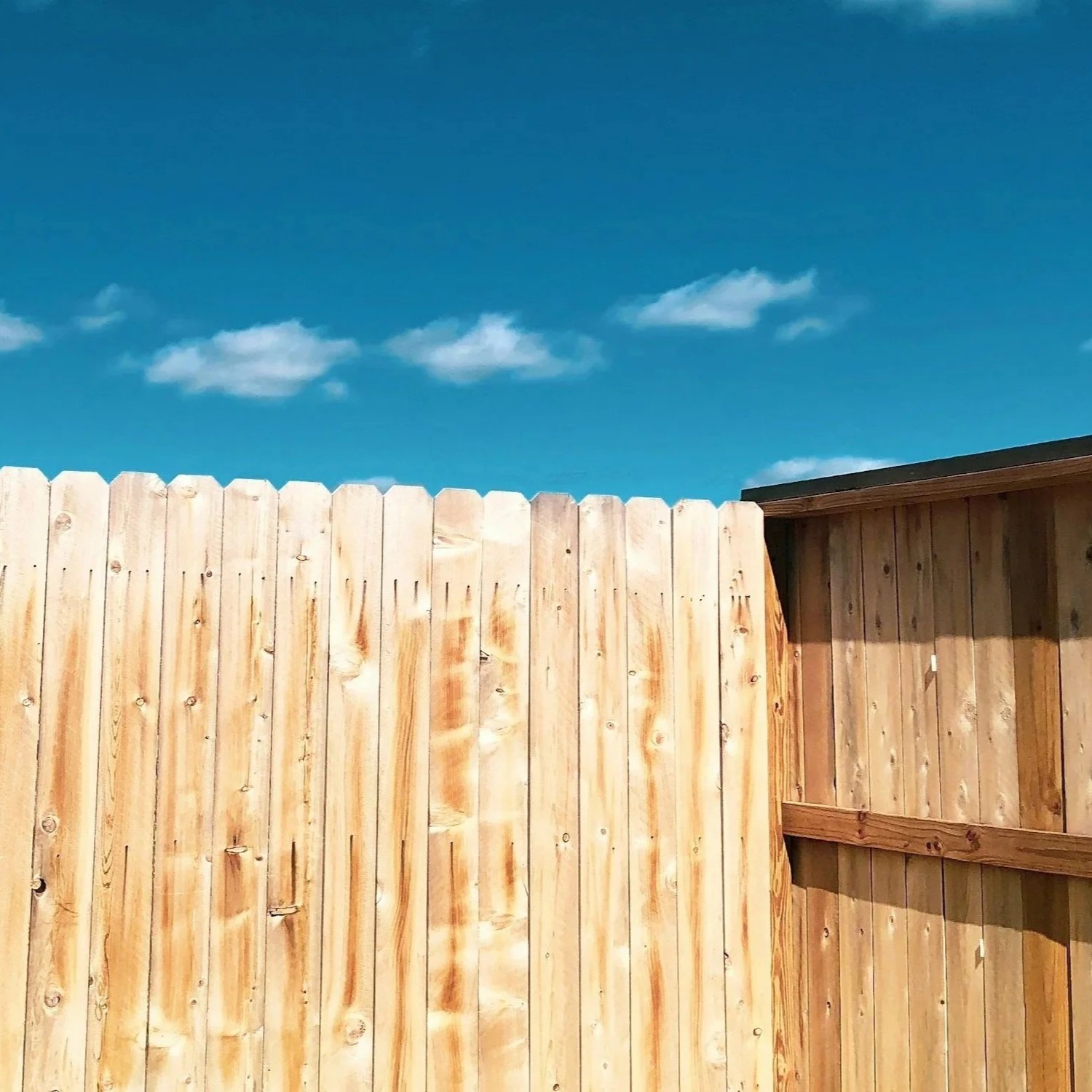
Fresh wooden fence panels installed with clean alignment, representing timely panel replacement to restore strength, appearance, and long-term durability of fencing systems.
Understanding The Role Of Each Panel
Fence panels aren’t just decorative boards placed side by side; they’re part of an engineered system designed for balance and durability. Each panel supports the others, distributing weight and tension evenly along the fence line. When one panel weakens, nearby sections absorb the strain, often leading to faster deterioration. Professionals view a fence as a unified structure rather than a collection of parts, so a single failing panel signals that a deeper inspection may be in order.
A panel might appear fine from a distance but reveal hidden issues upon closer look. Cracking, warping, or fading may indicate internal rot or moisture damage. In metal or vinyl fences, minor dents or splits can eventually compromise stability. A professional eye catches these subtle signs early, helping homeowners maintain both beauty and function by replacing fence panels in a timely manner.
Spotting Signs Of Damage Early
Fences speak volumes without saying a word. They lean, discolor, or make suspicious creaks when the weather turns. These small clues reveal the health of individual panels. Professionals pay attention to shifts in color, texture, and alignment, all of which suggest deeper concerns.
Wood panels may begin to show black spots or soft areas where moisture has accumulated. Over time, those soft spots turn into holes or weakened joints. Vinyl panels, although resilient, can fade or crack under prolonged sun exposure, while metal ones can develop rust where their coatings wear thin. Left unchecked, one bad section can compromise an entire fence line.
Professionals often inspect not just the panel itself but also its surrounding environment. Overgrown shrubs, uneven soil, or poor drainage can accelerate decay. Addressing these root causes prevents new panels from suffering the same fate. A detailed professional assessment always looks beyond the surface to diagnose the full story.
When Repair Isn’t Enough
A simple repair can sometimes save a panel’s life, but certain conditions necessitate replacement instead. Professionals evaluate damage based on location, material, and structural role. If the panel shows rot through more than one-third of its area, replacement is the smarter move. Patching may temporarily mask the issue, but it rarely restores the system to full strength.
For vinyl and metal fences, panels that have warped, buckled, or cracked cannot be constantly reshaped without compromising their integrity. Professionals match new panels precisely in terms of size, color, and texture, thereby maintaining the fence’s seamless appearance. Their goal is to blend the repair so perfectly that no one notices the difference.
Beyond aesthetics, safety plays a big part. A weakened panel may not withstand strong winds or provide the security homeowners expect. Professionals replace panels that no longer perform reliably, reinforcing the fence to withstand future stress.
Wood Versus Vinyl Versus Metal
Different materials fail in different ways, and professional expertise makes all the difference in identifying what’s salvageable. Wood fences, for example, often show a gradual decline. Sunlight dries the fibers, moisture causes swelling, and insects or fungi take advantage of cracks. Professionals use specialized tools to test for hidden rot and decide whether the panel can be saved or if replacement will be more cost-effective.
Vinyl panels usually resist decay but can become brittle in cold weather or warp when exposed to heat. Professionals recognize these temperature-induced distortions and replace panels that no longer align properly. Metal fences, especially those made of steel or aluminum, require regular inspection for corrosion. Professionals sand, prime, and repaint small rust spots, but when rust penetrates deep into the metal, replacement is the safest option.
Each material demands unique handling—professionals working on wood use weatherproof treatments and precision cutting for seamless fits. Vinyl and metal require precise interlocking systems to maintain consistent tension and spacing. Experience allows professionals to perform fence panel replacement quickly and cleanly, leaving the structure stronger than before.
The Hidden Dangers Of Ignoring One Bad Panel
Neglecting a single damaged panel may seem harmless, but fences rarely fail in isolation. Once moisture seeps in, it spreads along the rails and posts, weakening joints and accelerating decay. A loose panel can also create gaps that invite pests, while warped sections may compromise privacy or allow pets to slip through.
Professionals have witnessed numerous cases where a minor issue escalated into a full-scale replacement. What starts as a minor repair often becomes a larger project when ignored for too long. A prompt panel replacement stops the spread of damage and preserves the integrity of the surrounding structure. It’s one of those small investments that pays off quickly in both appearance and durability.
Professional Assessment And Matching
Replacing a panel sounds simple until matching becomes a challenge. Color variations, grain patterns, and manufacturing changes make it difficult to find a perfect fit without professional help. Experts source compatible materials from trusted suppliers, sometimes even customizing panels to match older designs. The goal is to achieve a consistent look that preserves the fence’s original character.
Professionals also assess hardware compatibility. Brackets, fasteners, and rails may require upgrades or adjustments during the replacement process. Rather than forcing mismatched parts together, professionals refit connections for stability and longevity. That attention to detail prevents new panels from suffering premature wear.
Fence alignment matters too. A new panel must sit flush with existing sections to prevent gaps or strain. Professionals use leveling tools and precise measurements to maintain perfect spacing. Their craftsmanship not only restores structure but also enhances the fence’s visual harmony.
Weather And Seasonal Timing
Timing matters when replacing fence panels. Professionals plan installations according to climate and material needs. In warmer months, wood expands slightly, allowing tight fits that settle naturally. During cooler seasons, panels may contract, requiring careful adjustment to prevent gaps later. Professionals understand these patterns and schedule replacements strategically to maximize performance.
Humidity levels also play a role. Installing untreated wood panels during damp weather can trap moisture, leading to early rot. Professionals use pre-treated, kiln-dried lumber that adapts better to seasonal changes. Vinyl and metal replacements fare better in mild conditions, as they avoid the brittleness that extreme cold can cause.
Professional scheduling eliminates these timing headaches for homeowners. Crews arrive prepared with materials suited to the current season, complete the work efficiently, and leave the property clean and secure.
Long-Term Benefits Of Professional Replacement
Fence panel replacement done right adds more than cosmetic appeal. A well-maintained fence improves property value, enhances safety, and protects landscaping. Each replaced panel restores the fence’s balance, allowing it to perform as originally designed.
Professionals also use modern materials and treatments that extend lifespan. UV-resistant coatings, galvanized fasteners, and water-repellent finishes make fences tougher than ever. Upgrading panels provides homeowners with the opportunity to reinforce the entire structure with today’s best products.
Another benefit is peace of mind. Knowing that the fence is sturdy and properly aligned allows homeowners to enjoy their outdoor space without worrying about future repairs. Professional work eliminates guesswork, leaving a finish that looks polished and lasts for years.
When Replacement Becomes Renewal
Sometimes replacing a few panels evolves into a full fence renewal, and that’s not a bad thing. Professionals help homeowners evaluate whether it’s more practical to refresh select sections or upgrade the entire fence line. In many cases, replacing multiple panels at once provides a cohesive finish and consistent protection.
Professionals approach every project with transparency. They explain material options, cost efficiency, and long-term expectations, enabling homeowners to make informed decisions. Whether replacing one panel or several, their craftsmanship reflects pride and precision. The result is a fence that feels brand-new without unnecessary expense.
Partnering With Professionals
Fence panel replacement may seem straightforward, but it requires precision and expertise that only professionals can deliver. They combine practical knowledge with craftsmanship, restoring fences to full strength while maintaining aesthetic consistency. Every panel replaced is an opportunity to reinforce safety, improve appearance, and extend lifespan.
Homeowners who rely on professional services gain lasting value and fewer future headaches. A single panel may seem insignificant, but as any expert will tell you, fences are only as strong as their weakest section. Addressing damage promptly keeps the entire structure reliable and well-maintained, regardless of the season or material.
A fence with fresh, perfectly matched panels stands as a quiet testament to care and attention. It frames the property beautifully, withstands weather gracefully, and shows that even one bad panel never had a chance to spoil the bunch.
Trust over a decade’s experience of The Fayetteville Fence Company LLC if you are looking for a fence repair company in Fayetteville, Hope Mills, and surrounding communities in North Carolina. We are a licensed and insured company offering a host of other fence solutions, including backyard fences, fence removal and replacement, and fence maintenance and upgrades, to homeowners. Call now to book a consultation.
