
Vinyl vs Composite Fencing: Which Survives Sun and Storms Longer?
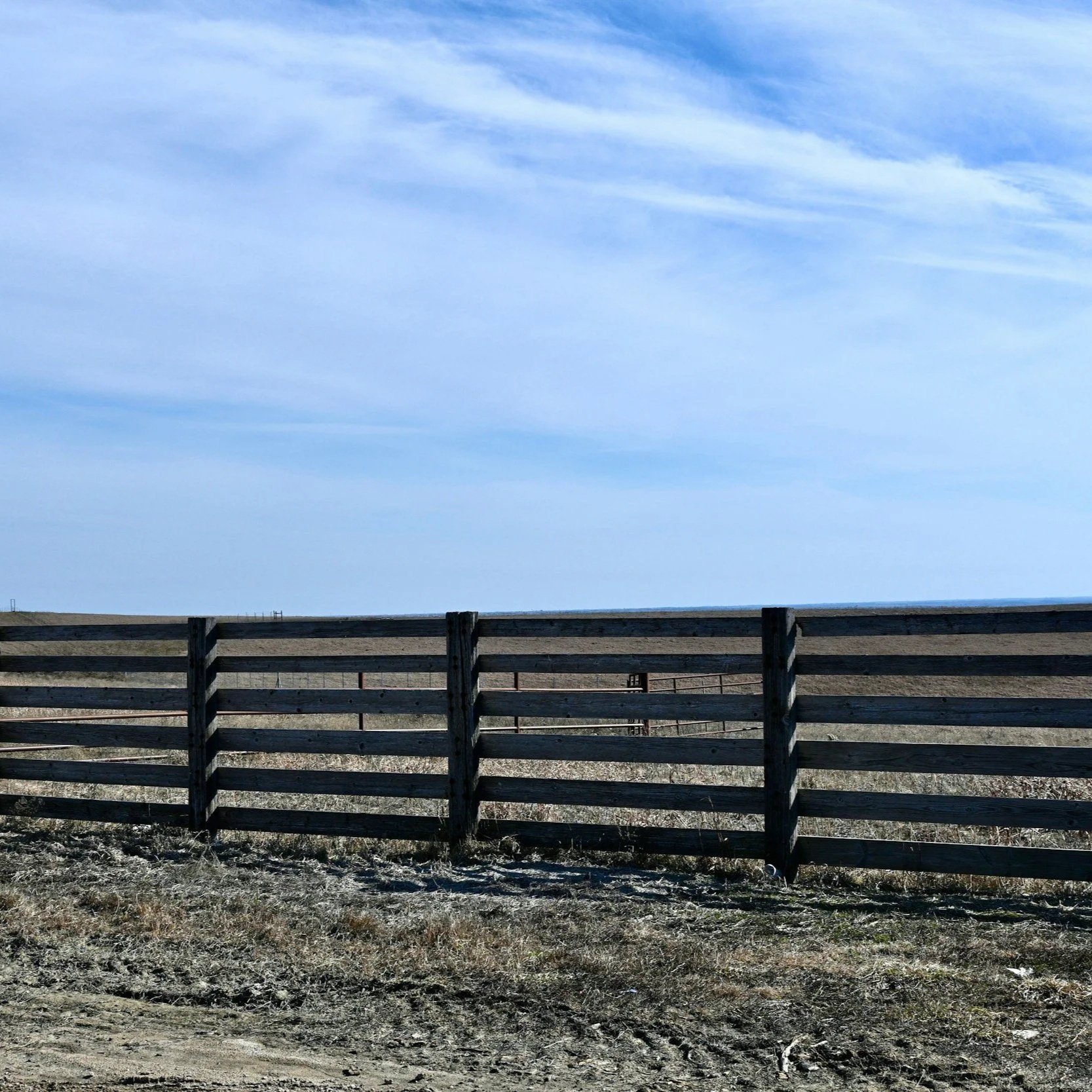
Modern horizontal privacy fence installed in open landscape highlighting durability differences between vinyl and composite fencing materials in harsh weather.
If you have ruled out wood for the next fence and the choice is now between vinyl and composite, the marketing copy on both materials sounds identical. Both promise low maintenance. Both claim to outlast wood. Both hold up to the weather. The actual differences show up over a 10- to 20-year ownership window, and they are larger than the marketing suggests. Vinyl wins for most homeowners on total cost. Composite wins for a specific set of priorities. Here is how to tell which set you are in before you take quotes.
The Quick Verdict
For most homeowners, vinyl wins on total cost over a 20-year window. Composite wins on a specific subset: properties where appearance matters above all else, fences exposed to high wind events, or homeowners who want a wood-like look without the wood-like maintenance.
The decision matrix in one sentence. If your fence is a backyard privacy fence and budget is a concern, install vinyl for your project. If your fence faces the street, your home is upper-tier, or you want one fence to outlast the next 25 years without revisiting your decision, install composite. The rest of the article covers why.
How Each Material Is Actually Made
Vinyl is PVC. Specifically, hollow extruded plastic, sometimes with internal aluminum reinforcement at the posts and rails for added strength. The hollow construction is what keeps vinyl light and affordable. The aluminum reinforcement is what keeps premium vinyl from cracking under wind load.
Composite is a wood-fiber-and-plastic blend. Wood fiber gives the panel its weight and grain pattern. Plastic binds the fibers and provides rot resistance. Capped composite adds an outer UV-stable layer over the wood-plastic core, which is the version that holds color the longest. The structural difference (hollow plastic versus dense fiber-and-plastic blend) drives almost everything that follows.
For practical purposes, vinyl feels like a hollow plastic panel in your hand because it is. Composite feels like a dense plank with the heft of real lumber, because half of it is.
Sun and UV Fade: How Each Material Holds Up
Sun fade is the silent killer for both materials. Most homeowners do not see the difference until year 10, by which point your choice is locked in.
Vinyl is generally UV-stabilized to resist fading, but lower-grade vinyl yellows over 10 to 15 years in direct southern exposure. The cheap white-vinyl fence at year 12 is noticeably yellower than at year 1. Premium UV-stabilized vinyl holds its color better, often for 20 years and beyond.
Composite holds color longer than vinyl on average, especially capped composite. The UV-stable outer layer is engineered for fade resistance specifically. Uncapped composite (the older budget grade) actually fades worse than vinyl, so the composite-vs-vinyl fade winner depends on which grade you compare.
For Fayetteville’s roughly 220 sunny days per year and intense summer UV, the fade question matters. The ranking that holds up across most installations: capped composite holds color longest, premium vinyl second, standard vinyl third, uncapped composite worst. Buyers who pay attention to material grade get a longer color life regardless of material choice — your grade matters more than your material.
Storm and Wind Resistance
Vinyl is lightweight. In high winds, it can crack at the post connections if the posts and rails are not properly reinforced. Aluminum-reinforced vinyl posts handle wind loads markedly better than basic vinyl, and the upgrade is worth it for your project in any region that sees occasional storm winds.
Composite is heavier. The denser panel resists wind better as a unit, but the heavier panels put more load on the posts and footings. The wind-resistance advantage of composite is real, but it depends on your installation matching the weight (deeper post holes, more concrete in the footings).
Both perform poorly in tornado-grade winds. Both perform reasonably well at the 60 to 90 mph hurricane-fringe winds the Cape Fear region sees in remnants of major storms. Hurricane Florence in 2018 and Hurricane Matthew in 2016 are the local benchmarks; both delivered tropical-storm-force winds inland to Fayetteville without reaching Category 1 force at landfall.
The equalizer for both materials is the foundation. Sandhills soil drains fast, but does not grip posts on its own. Concrete footings are essential for either material in this region, and the footing depth and width determine how much wind load your fence can take, regardless of which panel material sits on top.
Impact Damage: When the Yard Hits Back
Lawn mowers. Falling branches. Deer. Riding mowers. Kids with bicycles. Both materials handle real-world impact differently.
Vinyl cracks or punctures under sharp impact. The damage is usually localized to one panel of your fence, and replacement is straightforward: pop the damaged panel out of the rails, slide a new one in. The modular design is a real advantage for repair.
Composite resists impact better than vinyl. Sharp blows tend to chip or scratch the surface rather than puncture the panel. The cosmetic damage rarely affects structural integrity. The downside: composite repair often requires sanding and refinishing the affected area rather than swapping a panel, because composite panels do not slot in and out as easily as vinyl.
If you expect impact (riding mowers along the fence line, kids with bikes, deer pressure on rural lots), the repair-cost calculation favors vinyl. If your fence sits in a protected area with low impact risk, composite’s better resistance to scratches matters less.
Lifespan: Real Numbers
Marketing claims for both materials are generous. Real lifespan in Fayetteville-area conditions runs as follows.
Vinyl lasts 20 to 30 years with proper installation. Premium grades push 30 plus. Lower grades may show fading or brittleness by year 15. Brittleness is the bigger risk for cheap vinyl in this region, because PVC degrades under prolonged UV exposure and gets more fragile over the years your fence stands.
A premium-capped composite lasts 25 to 30 years. Mid-grade composite runs 20 to 25 years. Composite can last longer than vinyl in optimal conditions, but it is more sensitive to installation quality. A cheap composite installation fails faster than a premium vinyl installation despite the material premium.
For context on what wood does in the same conditions: pressure-treated pine averages 10 to 15 years in NC humidity, cedar 15 to 20 years. Both vinyl and composite outlast both wood options by a wide margin, which is the whole reason you are considering these materials in the first place.
Total Cost Over 10 and 20 Years
The lifespan numbers are interesting; the cost-per-year math is what should drive your decision.
Industry installed costs in the Fayetteville area:
Vinyl fence: $25 to $45 per linear foot installed (low end for basic, high end for premium with aluminum reinforcement)
Composite fence: $45 to $80 per linear foot installed (low end for mid-grade, high end for premium capped composite)
Maintenance differs slightly. Both materials are low-maintenance compared to wood, but vinyl benefits from a hose-down once or twice a year to keep dirt and pollen from settling into the texture. Composite occasionally needs a soft-bristle scrub for mildew in shaded areas, more often than vinyl in humid climates.
A 20-year total cost example for 150 linear feet of fence, the typical backyard run for your size yard:
Mid-grade vinyl: $4,500 install + minor maintenance + 0 to 1 panel replacement = $4,800 to $5,500 lifetime
Mid-grade composite: $7,500 install + minor maintenance + 0 to 1 panel replacement = $7,800 to $8,500 lifetime
Composite costs roughly 50 to 75 percent more lifetime for a similar service life. The premium buys you appearance and slightly longer life, not lower cost.
Appearance: What Each Material Actually Looks Like
This is where composite earns its premium for some buyers and where vinyl is fine for others.
Vinyl looks like white or light-colored plastic. Modern vinyl offers wood-grain texture options, and from across the yard, it looks better than older flat-finish vinyl, but up close, no one is fooled. Vinyl is plastic. Buyers see it as low-maintenance plastic, which family buyers value but which luxury buyers sometimes reject when previewing your home.
The composite is convincingly wood-like at conversational distance. The color and grain are real because the wood fibers are real. The plastic binder hides only the rot risk, not the wood look. For curb-appeal-driven projects on street-facing fences, the appearance advantage is real and worth paying for in your install.
For function-driven privacy fences in backyards, vinyl’s appearance is fine. Your fence’s job is to block sightlines and contain pets. Buyers and visitors do not study your back fence the way they notice the front-yard one.
When Vinyl Wins, When Composite Wins
A clear stance, given everything above.
Vinyl wins when:
Budget matters, and the fence has to fit a smaller install allocation
The fence is in a backyard, not visible from the street
The homeowner expects to move within 10 to 15 years
The property is fully exposed to direct sun, and premium UV-stabilized vinyl outperforms cheap composite
Repair simplicity matters because of the expected impact (mowers, kids, deer)
Composite wins when:
Curb appeal matters more than budget on a street-facing fence
The homeowner plans to stay 15 plus years
High winds are a regular concern (Cape Fear region during active hurricane seasons)
The fence needs to match a deck or pergola already built in composite
The home is in an upper-tier neighborhood where buyers expect upscale materials
For most properties (backyard privacy fences, function-driven installations, budget-conscious replacements), vinyl is the right call. Composite is the right call for street-facing front-yard fences, properties with high curb-appeal stakes, or homeowners who want one fence that lasts 25 plus years without revisiting the decision.
Frequently Asked Questions
For curb-appeal-driven installations on street-facing fences and high-end neighborhoods, often yes. The wood-like appearance and slightly longer lifespan justify the premium for buyers who would otherwise install wood and accept the maintenance. For most backyard privacy fences in mid-tier neighborhoods, the price premium is hard to recover. Vinyl delivers most of the practical benefits at half the cost.
Premium UV-stabilized vinyl with aluminum-reinforced posts lasts 25 to 30 years in the Cape Fear region's humidity. Mid-grade vinyl lasts 20 to 25 years. Lower-grade vinyl may show yellowing and brittleness by year 15. The humidity affects vinyl much less than it affects wood (vinyl does not rot), but UV exposure is the dominant aging factor, and 220 sunny days per year is plenty.
Vinyl can be painted with specialty exterior vinyl paint, but the result is rarely as good as the original factory finish, and paint adds maintenance work to a material chosen for low maintenance. Composite generally cannot be painted; the wood-fiber-and-plastic surface does not hold standard paint reliably. For both materials, choose the right color upfront rather than planning to repaint.
Composite as a panel resists wind better because of its weight and stiffness. Vinyl with aluminum-reinforced posts performs comparably and is more forgiving during installation errors. Both fail at sustained Category 1-plus hurricane winds. For the Cape Fear region, tropical-storm-force winds (60 to 90 mph fringe winds during major storm remnants), both materials hold up if the foundation work is done right with concrete footings sized for the panel weight.
Yes, by a clear margin. Composite has real wood fibers in the panel, so the grain pattern and color depth read as wood at conversational distance. Vinyl with wood-grain texture is an improvement over flat-finish vinyl, but it does not pass close inspection. Composite is the better choice when wood appearance matters and the budget allows.
Yes. Vinyl is modular by design; damaged panels slide out of the rails, and new ones slide in. A single contractor can replace most damaged panels in 30 to 60 minutes. Composite repair often requires sanding, refinishing, or a more involved panel swap, as composite is not engineered for modular replacement. The repair difference matters more in homes with high impact risk (riding mowers, kids, large dogs).
Both materials outperform wood for low-maintenance fencing in humid climates and deliver 20-plus years of service life when installed properly. The choice between them comes down to whether appearance or budget drives the decision. For most homeowners, the budget side of the math wins, and vinyl is the right call. For homeowners who want the wood look without the wood maintenance, and who plan to stay long enough to amortize the premium, composite earns its higher price.
Comparing vinyl and composite for a fence project in Fayetteville or Hope Mills? The Fayetteville Fence Company LLC offers free estimates for both materials with installation guidance specific to Sandhills soil and Cape Fear weather. Call (910) 994-3634 to schedule.
