
Hurricane Damaged Your Fence? Repair, Replace, or File a Claim?
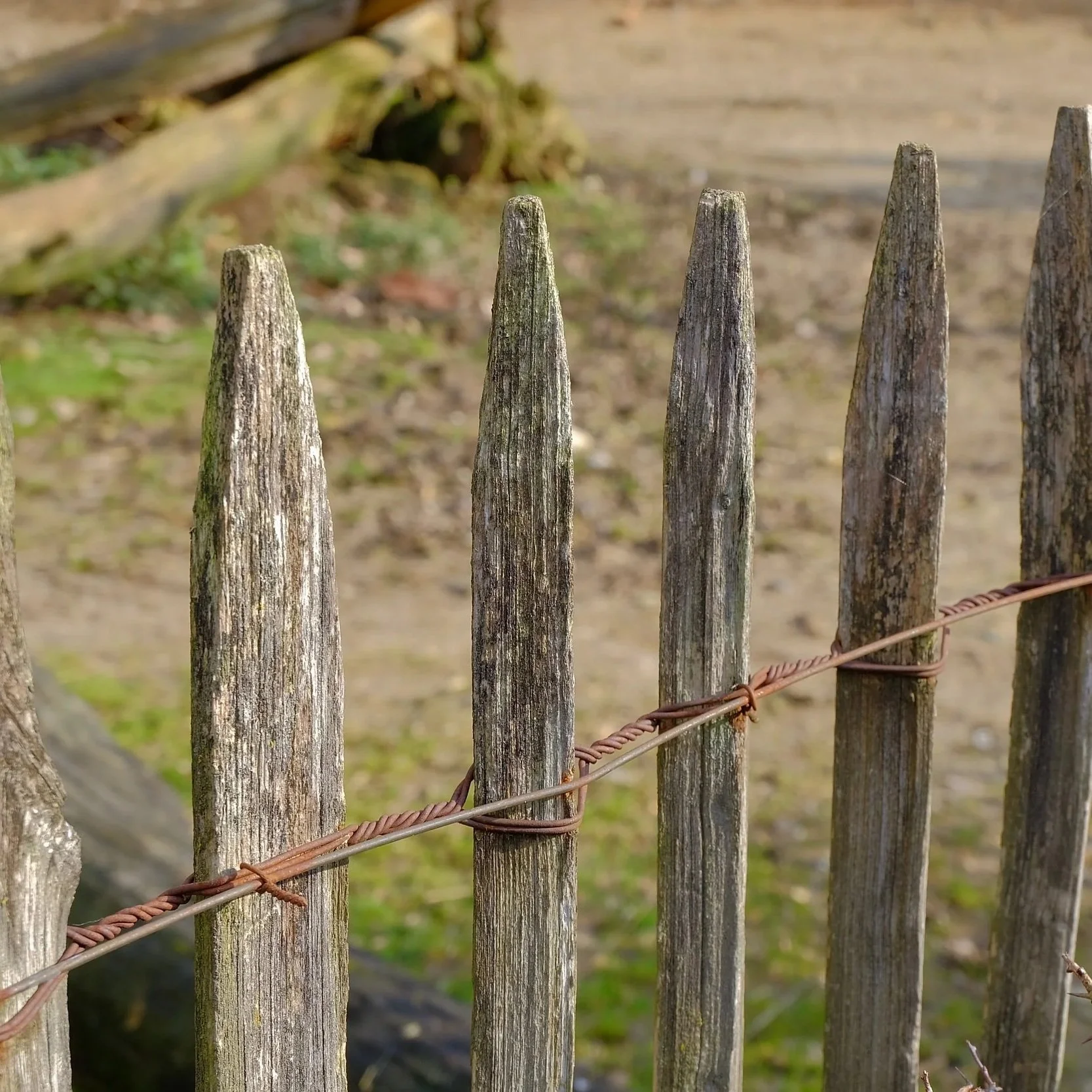
Weathered wooden fence damaged by outdoor exposure highlighting hurricane-related fence repairs, replacement decisions, and insurance claim considerations for homeowners.
If you are standing in the back yard looking at your fence after a storm, the next 48 hours matter more than the next four weeks. What you do today decides whether insurance covers the damage, whether the contractor can fix it, and whether the next storm finds the same weakness. Insurance claims live or die on what is documented on the first day. The repair-versus-replacement question depends on what is actually broken versus what was already failing. Filing a claim or paying out of pocket comes down to the policy details that most homeowners do not read until they need them. Here is how to think through it, in the order the decisions need to happen.
Before You Touch Anything, Document the Damage
The first move after a storm is documentation, not cleanup. Insurance claims live or die on photos taken before you pull the broken posts or stack the panels at the curb. Once the fence is moved, the adjuster cannot evaluate what happened, and unverifiable damage is exactly what ends up in claim denials.
Walk your fence line and photograph each damaged section from multiple angles. Get the broken posts at ground level, the storm-side of leaning sections, the bottom of any rotted runs that snapped, and any debris that caused the damage. A fallen tree, plywood from a neighbor’s garage, a piece of patio furniture: if it caused damage to your fence, it belongs in the photo evidence. A wide shot of your full fence line from each yard corner ties localized damage to the whole property.
Record the date and time. Save your photos to a folder labeled with the storm name. Most cell phone cameras embed the date and time in metadata, but a separate written timestamp helps when an adjuster questions when the damage happened.
The most common mistake homeowners make is starting the cleanup before photographing. Once you drag debris, clear the yard, or prop up panels, none of that helps your claim. Photograph first, clean up after.
Is It Repair or Replacement? Three Tests You Can Run Yourself
Before any contractor walks your property, three quick tests predict what the contractor is going to say.
The post test: push on every post along your run. If multiple posts wobble more than an inch, the foundation is gone — that section needs full replacement, not repair. A fence with shifted posts cannot be reset to last; the posts have lost grip in the soil, and a fresh storm will repeat the failure.
The hardware test: check your brackets, screws, and hinges. If the metal is rusted through, sheared, or pulled out of the wood, the hardware is failing. Replacing all the hardware on aging wood is rarely worth the labor: the wood that has been weathering with that hardware is rarely solid enough to hold new fasteners for long.
The percentage test: estimate what percentage of your fence is damaged. Damage under 20% is usually a repair. Damage over 50% is almost always a replacement. When damage falls between 20% and 50% of the fence, the decision depends on the remaining fence’s age and condition.
A fence that fails one test might be repairable. A fence that fails two tests is on borrowed time, even if patching is possible. A fence that fails all three is a replacement.
When Repair Is the Right Call
Repair makes sense when the damage is localized, and the rest of your fence has solid bones. A few cracked panels, a leaning section that did not pull posts out of the ground, and hardware that can be swapped without disturbing the wood. Sound posts in concrete, intact bottom rails, decent fasteners, no widespread rot. That fence is repairable.
Typical repair scope after a storm: replacing one to three damaged panels, resetting one or two leaning posts, replacing rusted brackets in a localized area, and fixing a damaged gate. Most repairs run a half-day to a full day on site. Industry pricing for residential fence repair typically runs $300 to $1,500, depending on scope.
The risk with repair is patching a fence that should have been replaced. If the rest of the fence is aging and the storm has just exposed weakness already in the wood, the repair will hold for a year or two before the next section fails. At that point, the homeowner pays twice for what should have been one project.
When Replacement Is the Right Call
Replacement is the right call when the damage is widespread or when the storm exposed underlying problems that were already there. Multiple post failures, rotted bottom rails across multiple panels, rusted-out hardware throughout, or a fence hanging on past its expected lifespan all point to full replacement.
The honest math: when repair quotes come in above 50% of replacement cost, replacement is the smarter spend. Repair extends an aging fence for maybe three to five more years. Replacement resets the clock for 15 to 25.
If you are considering an upgrade in material at the same time, a hurricane-damaged wood fence can be replaced with aluminum at a similar cost-per-foot range while gaining hurricane resistance. The same storm that took out a solid wood privacy fence usually leaves an aluminum fence standing.
Will Insurance Cover It? The Honest Answer
Most homeowners’ insurance policies cover fence damage from named storms (hurricanes, tropical storms, named winter events), tree falls, and other sudden, accidental damage. Coverage usually sits under “other structures” in the policy.
The catch: many policies cap that coverage at 10% of dwelling coverage, depreciate older fences, or exclude damage attributed to wear and tear rather than storm damage. The line between “the storm broke this fence” and “the fence was already failing, and the storm finished it” is where claims get reduced or denied.
Three factors decide what your claim actually pays.
Policy type. Replacement cost coverage pays to install a new fence with comparable materials. Actual cash value coverage pays the depreciated value, which on a 10-year-old wood fence is often half or less of replacement cost. Your declarations page shows which type applies.
Deductible. Hurricane deductibles in NC often run 2 to 5% of dwelling coverage rather than a flat dollar amount. On a $300,000 home, that is $6,000 to $15,000 out of pocket before insurance pays anything. When repair or replacement costs less than the deductible, filing is paperwork without payout.
Documentation. Photos taken before cleanup, the date and time of the storm, and a contractor’s written assessment all strengthen the claim. Without those, the adjuster’s estimate is the only number on the table, and adjusters are paid to settle claims, not to maximize them.
Read your policy before calling the agent. The “other structures” coverage limit and the deductible together determine whether filing makes sense.
How to Document the Damage for an Insurance Claim
If filing a claim is the right move, the documentation needs to be specific:
Photos of every damaged section, dated, with multiple angles
A written description of what was damaged: number of panels, posts, and gates
A contractor’s written assessment showing the repair or replacement scope
An itemized estimate from the contractor
The storm name and date as the cause of damage
Any debris that caused damage, photographed in place if possible
The Fayetteville Fence Company LLC provides written damage assessments and itemized estimates as part of every free fence inspection. You take that documentation to your insurance agent. A contractor’s written assessment carries more weight in negotiation than an unverified verbal summary, especially when the adjuster’s first offer is below the actual repair or replacement cost.
Common Mistakes That Hurt Insurance Claims
Three mistakes reduce or deny otherwise valid claims.
Starting the cleanup before photographing. Once you pull the broken posts and stack the panels at the curb, the adjuster cannot assess what happened. Photographs are the only evidence linking the storm to the damage.
Filing too late. Most policies require notification within a 30- to 60-day window. Wait too long, and your claim can be denied for late filing alone, even when the damage was clearly storm-caused. Read the policy’s claims notification requirement on day one.
Accepting the first settlement offer without comparing it to a contractor estimate. Adjusters are paid to settle claims efficiently. The first offer is usually low. A written contractor estimate gives you real numbers to negotiate with, and most insurers will revisit a settlement when presented with a credible third-party estimate that comes in well above the adjuster’s number.
What to Do This Week If Your Fence Is Damaged
A simple action list for the first week:
Day 1: Photograph everything on your property. Do not start cleanup yet.
Day 1 to 2: Schedule a fence assessment for your property. Most assessments take 20 to 30 minutes on site.
Day 2 to 3: Read your homeowners’ policy. Identify the deductible, the “other structures” coverage limit, and the claims filing deadline.
Day 3 to 5: Call your insurance agent if filing makes sense. Submit the contractor’s assessment with your claim.
Day 5 onward: You can start cleanup once your photos are taken and the assessment is complete. Save any debris that caused damage for the adjuster.
The Cape Fear hurricane season runs from June 1 through November 30. After a major storm, every fence company in Cumberland County has a backlog of four to eight weeks. Schedule the assessment immediately, even if the actual repair or replacement is weeks out.
Frequently Asked Questions
Most homeowners’ policies require notification within 30 to 60 days of the damage. The exact window is in the policy declarations page or the claims section. Start the filing process immediately after the storm. The notification can happen before the contractor’s full estimate is in hand.
It depends on the policy type and the fence’s age. Replacement cost coverage pays to install a new fence with comparable materials. Actual cash value coverage pays the depreciated value of the existing fence, often half or less for a fence past 10 years. The “other structures” coverage limit usually caps payout at 10% of the dwelling coverage. Read the declarations page to know which applies before filing.
No. Repairing the fence before filing usually voids or reduces the claim because the adjuster cannot evaluate the original damage. File the claim first, get the assessment and adjuster’s offer, then schedule repair after the claim is settled.
A typical replacement takes 2 to 4 days for the installation itself, but the bigger variable is the wait time. After a major hurricane, every fence company in Cumberland County has a backlog of four to eight weeks. Schedule the assessment within days of the storm, even if the actual replacement is weeks out.
Your own homeowners’ insurance typically covers the damage, regardless of where the tree came from. The neighbor’s insurance only enters if the neighbor was negligent, such as knowingly leaving a dead tree to fall. Photograph the tree in place before any cleanup, and let the insurance adjuster determine fault.
The Fayetteville Fence Company LLC provides written damage assessments and itemized estimates that homeowners submit to their insurance company. Direct contractor-to-insurer billing is rare and depends on the carrier. The standard process is to get the assessment, file the claim, accept the settlement, and then schedule the work.
Storm damage to a fence feels urgent, and parts of it are. Photographs taken on day one, the policy reading on day two, and the contractor assessment on your property by day five: those steps either preserve a viable insurance claim or undermine it. The repair-versus-replacement question and the claim-or-pay-out-of-pocket question both have honest answers, and the answers depend on what your photos show, what your policy says, and what a written contractor assessment states.
Storm damaged your fence in Fayetteville or Hope Mills? The Fayetteville Fence Company LLC provides free assessments with written reports for insurance claims, plus 12-month warranties on every repair and installation. Call (910) 994-3634 to schedule.
